
woof + thinking like dogs with Elizabeth Lo (new episode of podcast!)


ESSAY SEVEN: "WOOF"
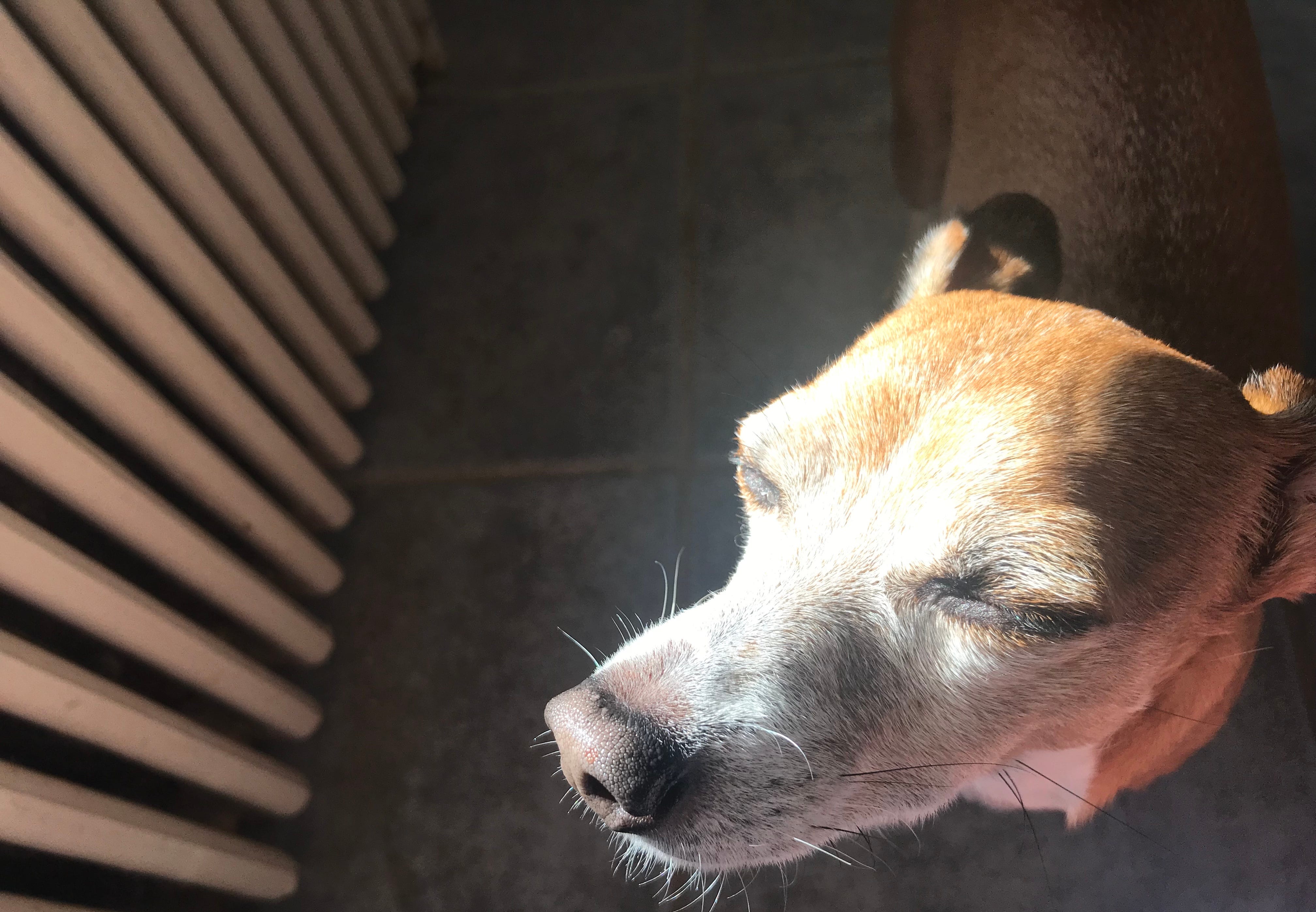
Cold again today. They leave the cold box on when they go. I get kisses on my head top. Then pats. Good, good, they say. Lick their patter, but they don't stay.
I will close eyes for bits. Have the water. The crunchy they leave. I crunch, crunch. Close eyes. There are all the growing things. The hairy ones I roll on. Nose on the dirt, nose on the dirt. Careful, watch out. Make some noise. Help them watch out. This way, this way.
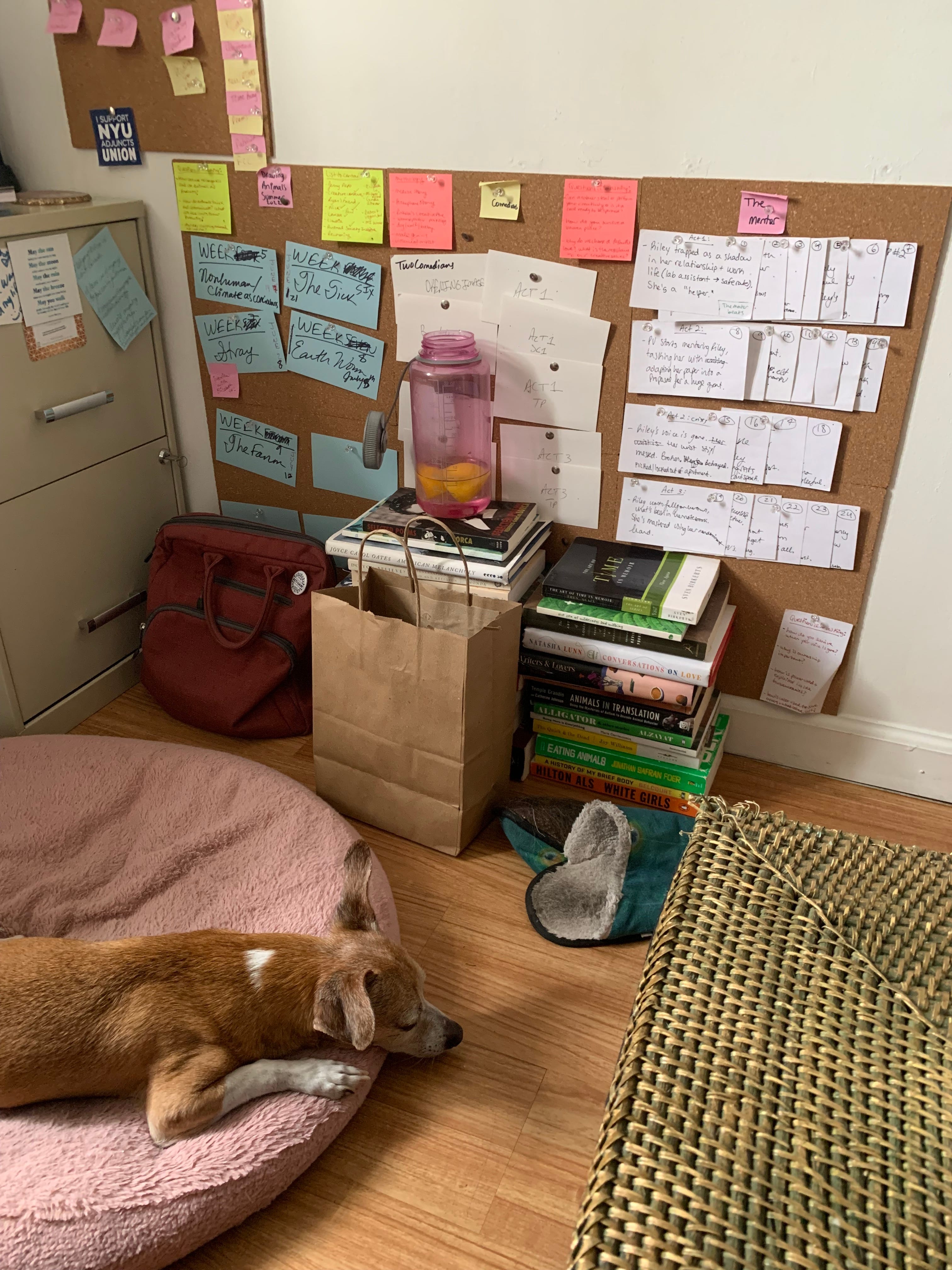
I open eyes. Now water falls outside. Don't like to be there when the water falls. I miss the growing things. I miss the crunchy pieces I get quick, quick before they take them away. No, no, they pull on my string. I bite down so it's mine for real. I want. Don't take.
There was once another like me. But they were bigger. Like a soft thing, like the soft ones they sleep on. That big, but in half. Noises downstairs. Is that?
No, no. I miss the growing things. I close eyes.
Hello? Nose to door. Shake my flappers. Hello? Okay! Okay! This is good. We will go put noses to the dirt. We can see the world today. The water stopped. I go fast. I go fast on my string. I go so fast I can snap this string. Go, go, go--
AFTERTHOUGHTS
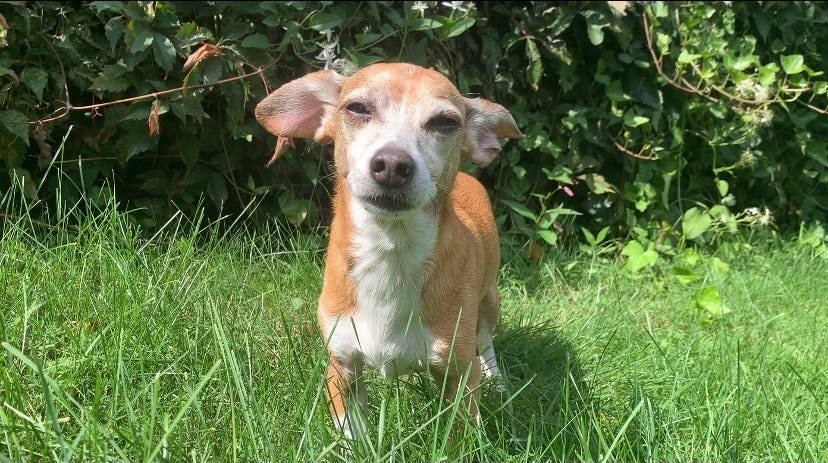
Adopting my dog, Ziggy, was a signal to myself that I was autonomous. I wrote more about him in my first letter, but learning to care for Ziggy, budget for him, plan my days so he would eat and exercise regularly, guided me to a greater sense of commitment, routine, self trust, and accountability. If I want to write, meditate, journal, and read before the work day gets my energy, I need to also consider how to do this while Ziggy sleeps and end my routine by walking him to our local park, all to be back before work begins. I've learned that through my obligation to him, I find more commitment to my own structures.
This weekend was one where the idea of rights, personhood, protection, and freedom was on my mind. Like many, I went out to the protest at Washington Square Park. I felt both held and energized by the community, but being surrounded by stories of loss, pain, and violation, lingered on my body.
We left the protest and went to Julius' where we sat outside. A rain began, but we decided to stay, leaning our chairs against the face of the building so to have our faces covered by the edge of the roof. Our bodies soaked with water. I felt refreshed, clean.
I returned to the park the next day with my mom who was visiting for her birthday. We sat by a pile of red roses left in a configuration that felt like the remnants of a ritual, or art exhibit. Studying the flowers, and how the crowds avoided them, we felt the sense of a broken heart. In the deep red of the flower, there was blood. Rejection. I imagined a lover with the rose clenched between their teeth waiting for someone who never arrived. A wedding anniversary for a widow. A body hurt. A body forced.
The next morning, after reading just a few minutes of stories shared from those experiencing the immediate impact, I cried. I'd woken up early for a morning group breathwork, but felt numb the whole time. Finally, hours later, something flowed.
Ziggy jumped up onto my bed, pawed at me, rolled on his back and shimmied so I'd look at his wide open eyes. He licked my tears, pressed his paw on my hand.
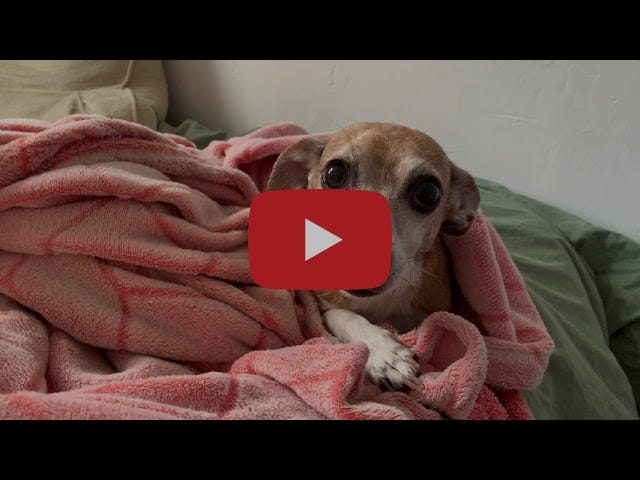
For all of the emotional reciprocity I perceive in my interactions with dogs, I still sit with the discomfort that the nature of our urban living situation restricts Ziggy's wild life, his natural instincts. As often as I can, I find grass for his paws, unhook his leash in a yard, and, still--
This week, I talk with Elizabeth Lo, who deals with these questions of being in right relationship with animals and those who have precarious status in society. Elizabeth is an award-winning filmmaker who is interested in finding new aesthetic ways of exploring the boundaries between species, class, and unequal states of personhood. Her work has been broadcast and showcased internationally, including at Sundance, Museum of Modern Art, SXSW, IDFA, Tribeca, AFI Fest, True/False, Hot Docs, New York Times Op-Docs, Field of Vision, and PBS’ POV. Elizabeth has been featured in Filmmaker Magazine’s “25 New Faces of Independent Film,” DOC NYC’s 40 Under 40 List, Cannes Lions’ New Directors Showcase, and participated in the Locarno Film Festival and New York Film Festival artist academies.
With Elizabeth, I explored the end of a pet's life cycle, what more dignified interactions with animals might like look like, and got an update on the dogs she followed in her documentary, Stray, which centers beings whose security is challenged by the state. The film focuses on three strays living their lives in Turkey: Zeytin, Nazar, and Kartal. The dogs are at different life stages and display distinct, captivating personalities. As the viewer follows the strays, we see how their pack intersects with a group of Syrian refugees who also live on the streets of the city, inviting us to see the communities we inhabit in a new way.
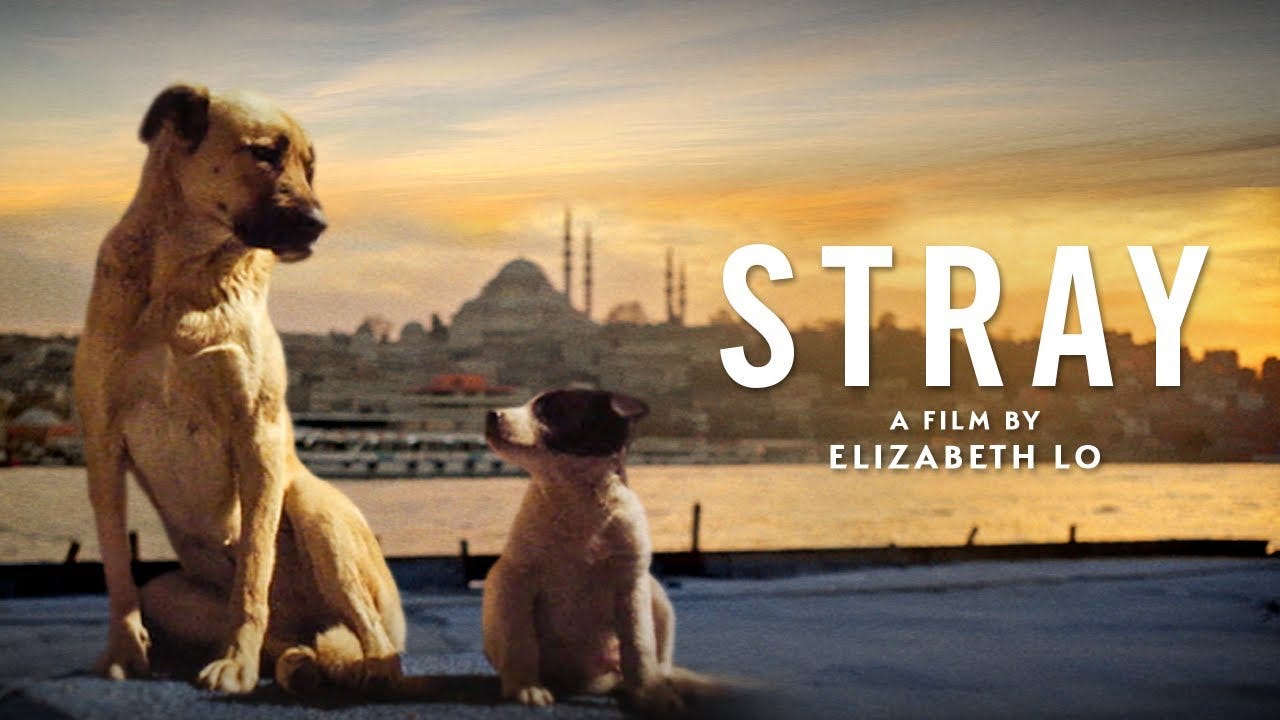
"He saw animals and their desire to live as equal to humans desire to live," Elizabeth says, reflecting on her short film, Last Stop in Santa Rosa, which restores the possibility for dogs to experience a sacred end of life. "Our actions and our decisions about our nonhuman loved ones are being influenced by systems and attitudes that are very speciesist."
READING LIST: LOCATING FEAR
This week, I'm reading Joyce Carol Oates' American Melancholy. The collection looks at the dehumanization process of individual beings through science, starting with Little Albert who was an infant experimented on, made to be afraid of animals through cognitive behavioral methods to prove a theory of conditioning.
Little Albert died of a neurological condition within a few years of the study. Oates then broadens her lens to explore where our hate and fear comes from in society, ways animals are used in testing, and our desire to dominate.
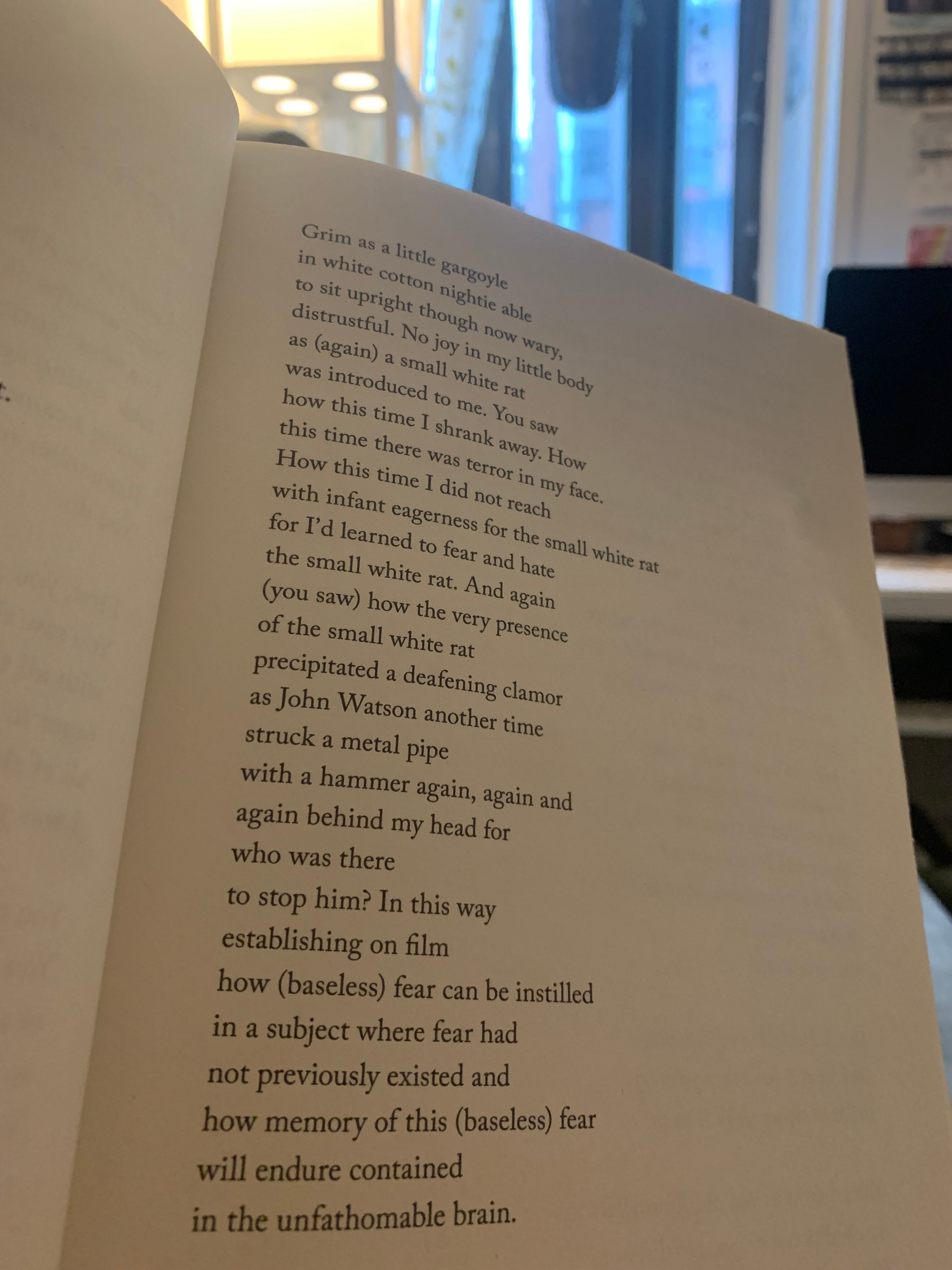
I find studying her thinking helps me reflect on my own capacity for causing harm. I sometimes find this comforting when there is a lot of chaotic energy around me because it reminds me I'm not separate from or incapable of the same atrocity.
Oates reflects on research subjects who follow orders from authority figures, and women who stay with partners who are not strong enough to really love them. Her own imperfect thinking emerges, condemning fatness and slipping into another to avoid living for oneself. In doing so, she reveals the complexity of a psyche. And how, gone unchecked, we are at risk of letting fear overtake our lives.
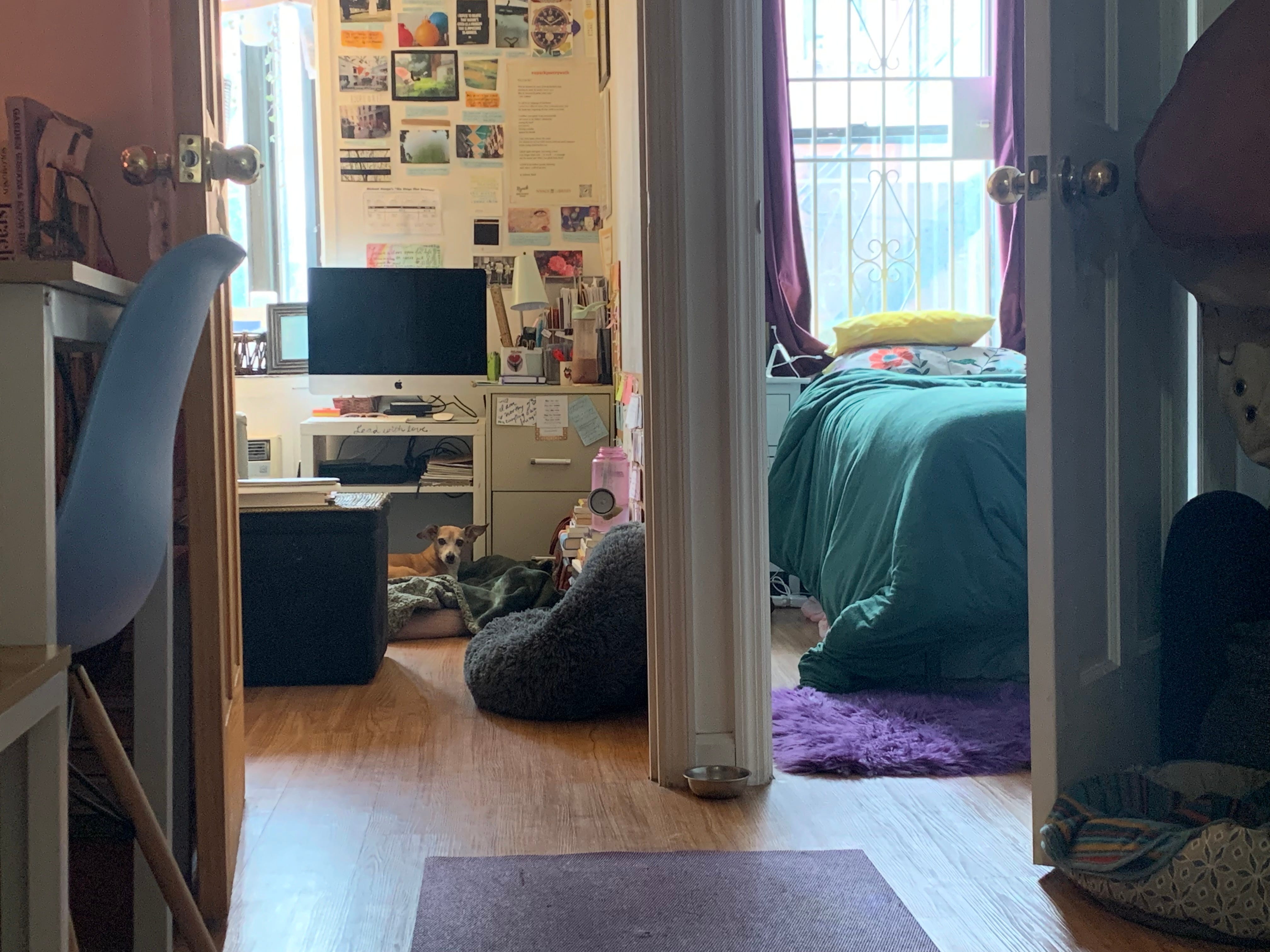
Her collection inspired me to write a new poem as I spent the rainy day reading with my dog. I hope you might find some permission to slip into your animal body, to let the weather rule your day, even if it's just for a few breaths.