the limits of ecopoetry with Charlie Baylis of Anthropocene


LETTER TWENTY: "ANTHROPOCENE"
What do we make of what's beneath?
A sprouted form, breaking free.
AFTERTHOUGHTS
This path month, I visited three different museums with my students. The pieces we visited were in conversation with each other---at the very least, they were in my mind.
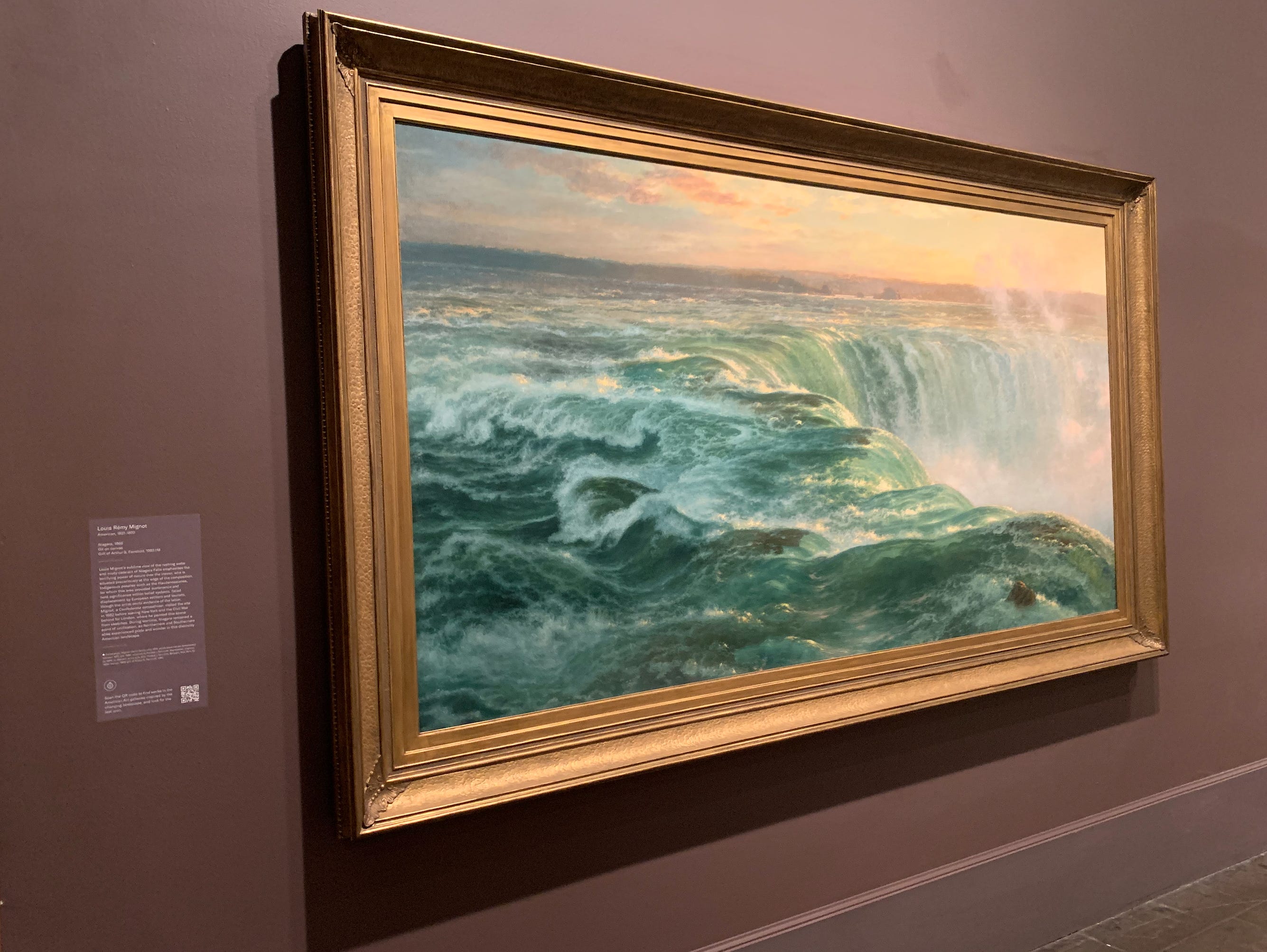
I spent a lot of time with Niagara at the Brooklyn Museum. The composition felt to me like the image of a world ending---a tumult rather than a voyage forward. I learned Mignot, the artist, was a Confederate sympathizer and painted the piece shortly before leaving the country during the Civil War. Knowing this made me re-see the overpowering waves---were these actually the waves of change rushing in? The ideas Mignot and others' clung to making the drop? What process would they undertake at the bottom? Is that where we are now?
A few days later, we were at the New Museum's exhibition of Wangechi Mutu's Intertwined, which was an immersive and multimedia experience ending with a sculpture evoking death on the top floor. Before reaching this piece, we moved through collages of female forms in full force, mythical cycles of life, the damage of a distorted gaze displayed, recontextualized, alchemized.
On the bottom floor, was "In Two Canoe," one of the several water apparatus sculptures. When you walk into the gallery space, the pools in the canoe between the mythical creatures feel primordial, like the musky water of a new earth---a new life.
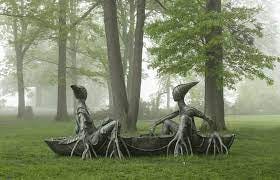
Courtesy the artist and Gladstone Gallery. © Wangechi Mutu
During one of the trips, I asked my students to write a description for the installation of one of the objects in their life that they found beautiful to be up on the wall. What would it be like for what their imagination found moving to be celebrated? Visited?
Is that what we do when we write? Or curate? Is that the role of an editor?
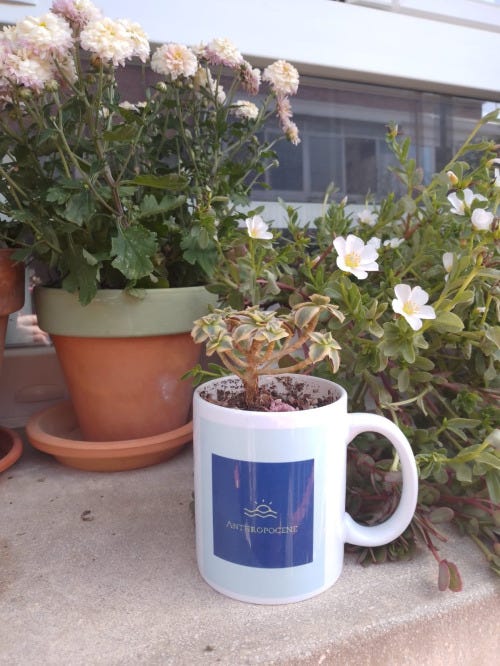
photo from Charlie Baylis' website
I first met Charlie and the team at Anthropocene when they accepted three of my poems for publication in 2019. They were pieces that felt strange to me, unclear where they belonged and if their forms made sense. I took a leap of faith and submitted them to the journal, knowing they were in some way in conversation with the earth.
For those who write, you might feel similarly about an acceptance to a journal: it's not the approval (you, now anointed a "good" poet) that makes it such a delight, but the affirmation that your perception, your language, has been seen by another, that it will weave with others. That something might speak back. And on.
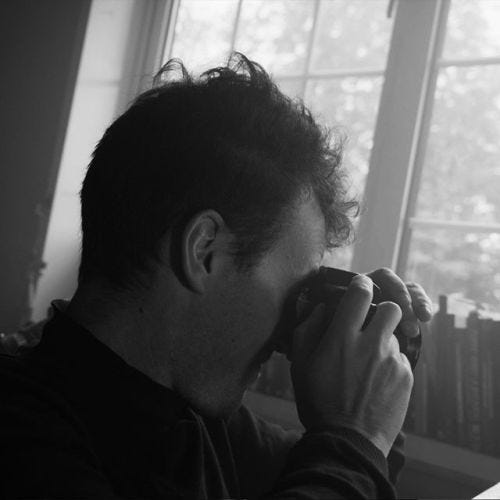
photo from Charlie Baylis' website
Years later, I feel lucky to welcome Charlie Baylis onto my podcast---to share his work not only as an editor, but a poet.
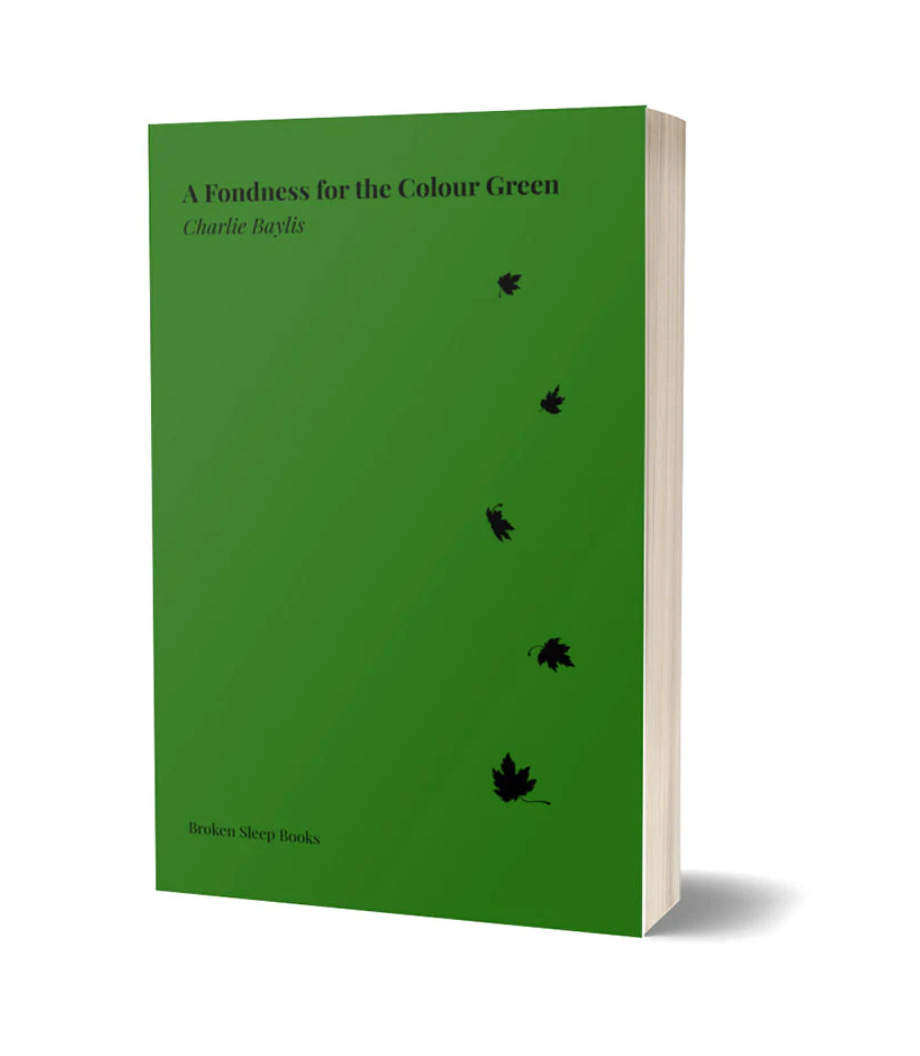
Charlie is from Nottingham, England. He is the editor of Anthropocene. His poetry has been nominated three times for the Pushcart Prize and once for the Forward Prize. His first collection of poetry A Fondness for the Clour Green is forthcoming from Broken Sleep Books in June 2023. He spends his spare time completely adrift of reality.
"I was petrified of just falling on my own face," Baylis shared as he reflected on launching his own journal, an independent project now with thousands of followers online, supporting poets and readers across the world.
Listen to the full episode of "Questioning the anthropocene with Charlie Baylis" here!
READING LIST: ANTHROPOCENE
Anthropocene is an online poetry journal. Their aim is to be a welcoming space for exciting poetry and translations from any language. They publish new poems every Wednesday and Sunday. Their understanding of the "Anthropocene" is broad, they like environmental poetry, but are not limited to it. Poems about any subject matter are welcome. They nominate for the Forward and Pushcart prizes. Anthropocene is edited by Charlie Baylis. The assistant editors are Aaron Kent and Laia Sales Merino.
You can also pre-order Charlie's debut full-length poetry collection, A Fondness for the Colour Green, below.