
the cost of a dream.
on documentary practice, showing up differently, and getting back in the pool.

I started a six-week virtual residency with Pollinator this past Friday. My friend Bonita Oliver recommended me to the program a few months ago after a voice-note conversation born of our attempts to meet for a walk, which was thwarted by weather and life events several times in a row. I was wondering aloud why I was struggling with some restlessness around the ever encroaching “what’s next” that comes after finishing a big project. Usually I knew. There was one more task to do, one more thing to try, one more reason to stay in my head.
Around the time I was reading Donika Kelly’s Bestiary and this poem jumped out at me.
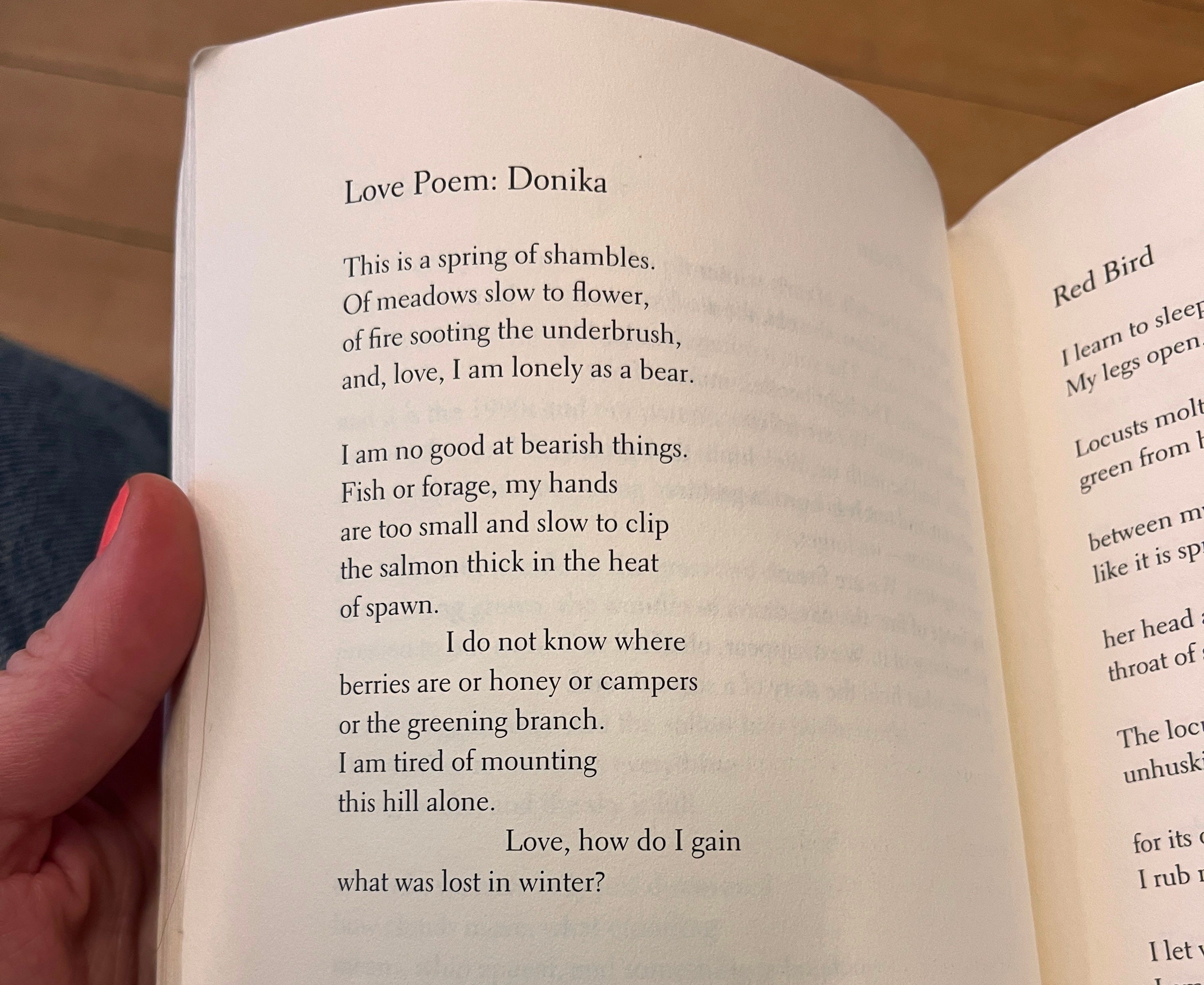
What we identified is that maybe I’m in a season in life where the efforting ends—who knows how long for, but right now my part is done, and growth for me is recognizing that turn toward the end of Kelly’s poem: “I am tired of mounting / this hill alone.”
That this residency with Pollinator is framed as one of “mutual support,” perhaps what I’m being ask of now too is to know it doesn’t have to be me who delivers. That it’s good and right and essential to let others mount the hill, that we already are.
Friday morning, still anesthesia-painkiller-delirious, I met with my group and as we went around sharing our project for the residency, I said a phrase I hadn’t said in quite some time: “I don’t know.” We talked through this idea of me being in a period of softening into receiving and simply seeing what’s on the other side of dreaming. How it’s actually kind of a sweet, slow curious feeling rather than one of being lost or confused. Something like newness. Kind of an unreal state in that I’ve always been one to take action in the face of an unknown, to be building towards something, but I don’t think that way is what will work in this season. How will my making and living shift because of this?
What I’ve landed on is that maybe this is a time, then, to approach life more through the lens of documentation. Because I don’t feel that familiar call to be the one to strike the match, maybe it’s about looking simply at my life right here, as is, noticing it, seeing what comes, what goes. Let it become what it is. Let my life become itself.
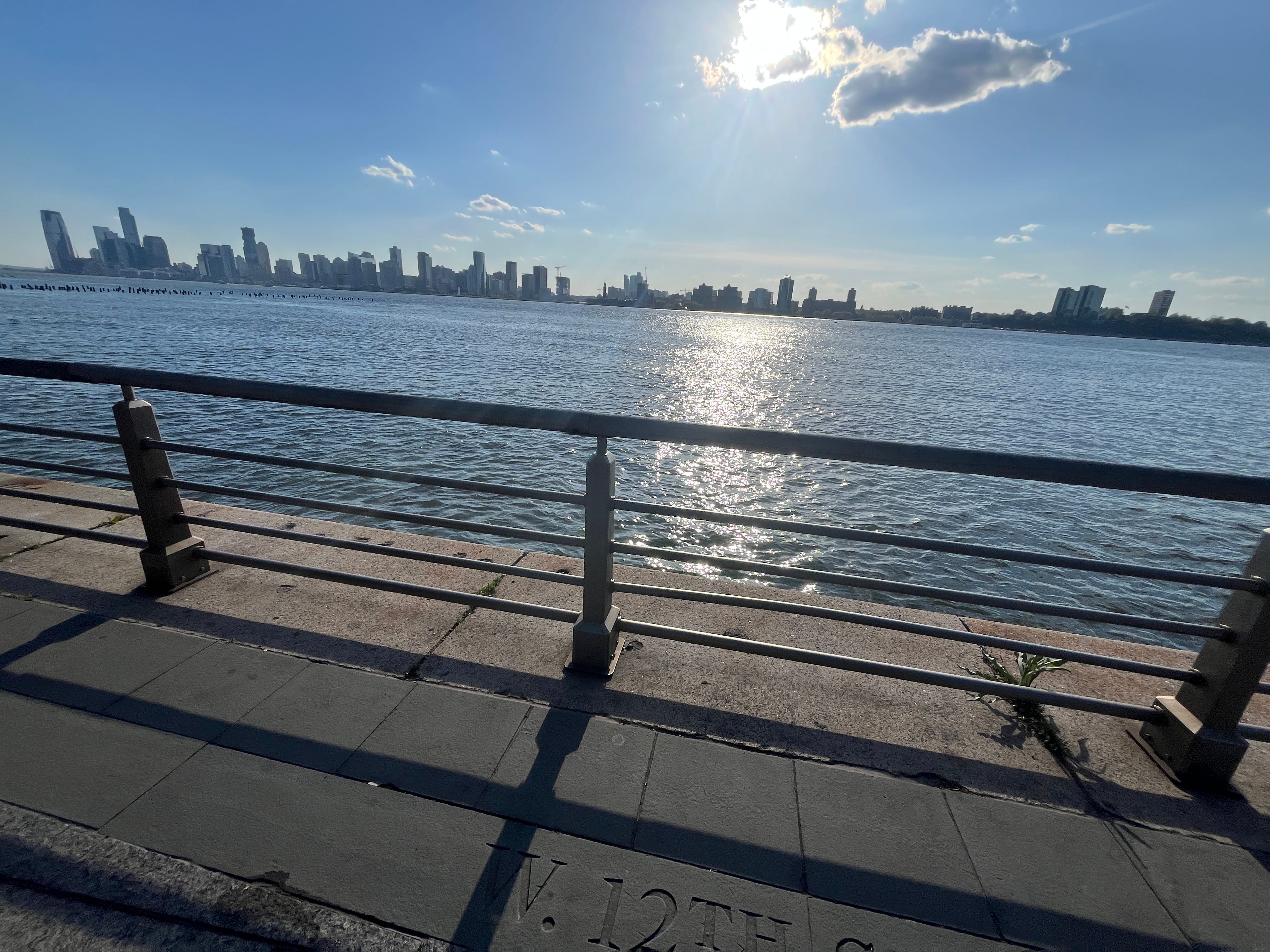
The night before surgery I went for a long walk on the Hudson River Greenway and wrote under the sun.
I was feeling into the idea of why “a dream coming true” had felt so slippery until now, especially in the realm of my life as an artist. Some of you already know the story of what happened when I wrote my first film, originally called What We Know, but the short version is I was a college student in the classroom of a predator who saw my vulnerable talent as an opportunity to control not only me, but my story. And that script was, at the time, a place where I could put a secret I hadn’t told anyone, one about my body and someone who took advantage of it, and as this professor became my mentor, he slipped his name into the author line of my screenplay, telling me it was normal in Hollywood to do so, and that’s exactly where he planned for this film to go. He was setting up meetings. He would direct it. He would use his contacts from his years out there, the studios he’d worked for, the knowledge and relationships he had and I didn’t. He turned our development meetings into lunches he paid for and basketball games and us alone in his car as he drove me home to my apartment. To bars where I couldn’t buy my own drinks without using a fake ID and at every turn I relented because he held in front of me my dream: to see my story on screen. I smiled through the painful constriction in my chest as he passed me an article about how feminists went too far by saying sex between students and teachers was problematic, and asked if I agreed. After over a year of this private dynamic, he came through with a small local crew of mostly students from our university and we went into production, his name still all over everything. Me grateful. So, so grateful. I told him all the time. But after turning down an offer to get a drink at a hotel bar midway through production, my project was shut down and years of excuses were given as to why I couldn’t get the footage. The cast and crew was told I didn’t want to finish the film. I was told the cast had personal issues and refused to work together. Enough years of misinformation went by before I asked the crew directly what had happened that it would’ve been impossible to finish the script with the original team regardless as they’d all graduated, moved to new cities, cut their hair, had agents now.
This experience held me back for quite a while—I did try to raise money for a reshoot, but what happened was some other filmmakers heard about what had happened to me through the campaign and told me what I needed was a lawyer not a budget. I got those lawyers and got my script back, got my footage, and released what we had completed as a web series called The University, which did go on to have a nice life of its own, and in the time it took to release I made friends with three different bands, all of whom ended up scoring the series, and so I told myself again and again: this would not have been possible before. The music held together the fragmented scenes, but still what I saw as a writer and director was a stunting of my original vision. Still, I approached the edit as a collage—an erasure. I took the fragments I had and made something whole. Years passed before I made new work, always with my ambition a bit tamped down. But it didn’t serve anyone, not me, not the work, not my future collaborators, to be less ambitious.
I know this is why I wince when I hear male writers and filmmakers talk about the impact of their mentors, how they’d be nowhere without them, that they have someone to call and send stories and who opened one door after another for them on the way. I thought of all the opportunities I didn’t leap at, didn’t even think I could have, all the times I held back asking for mentorship again, for asking for any help, really, because I’d been broken by the cost.
But there is always a cost. The cost of a dream is the death of an old self.
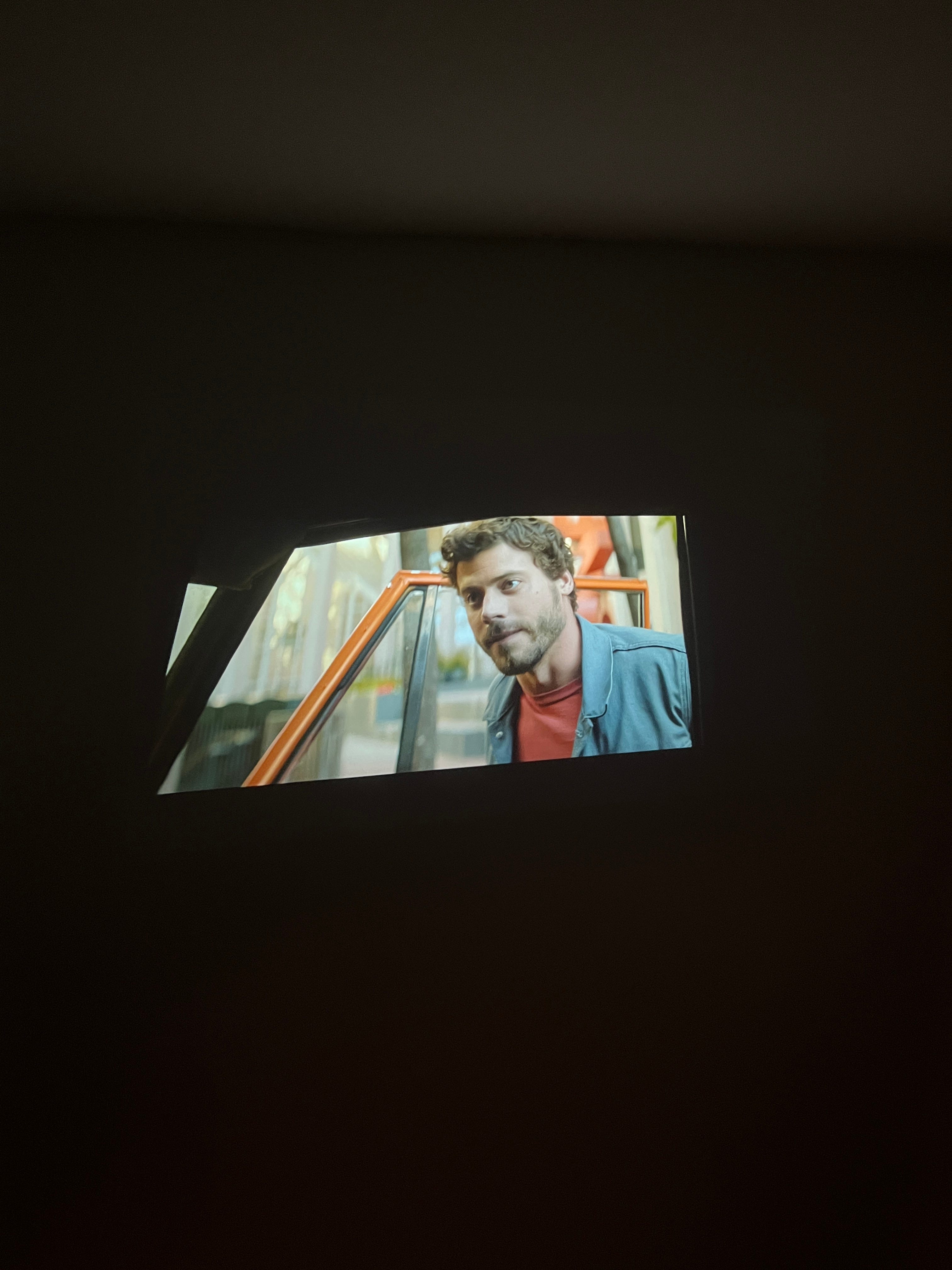
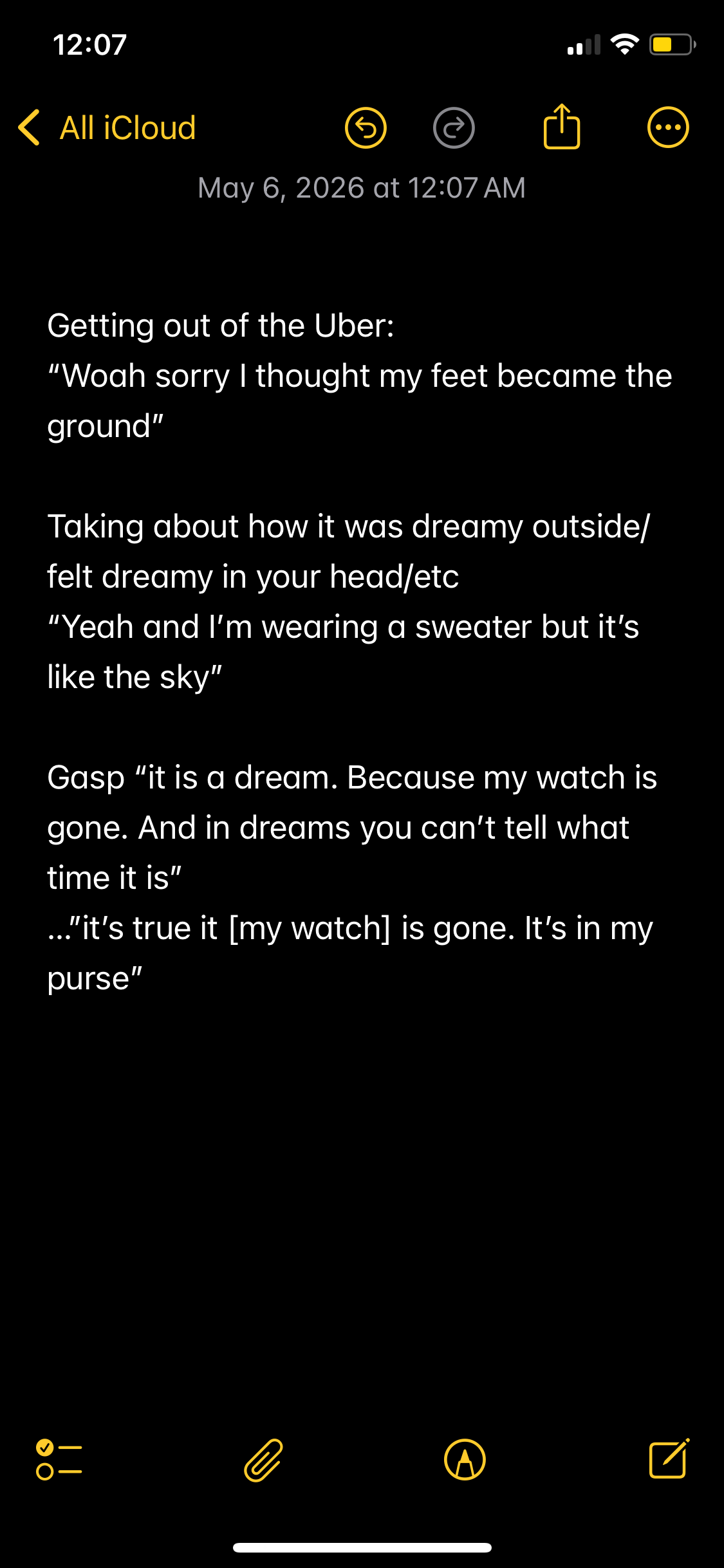
Recovery from surgery looked like visits from friends and movies on the ceiling. I lined up a series of okay-enough looking romcoms to help me drift in and out of sleep, and, from looking back on some videos I sent my friend who checked in on me from abroad, I was really into one called She’s In Portland, about a man forced to have the conversation he wished he had with a woman who’d passed through his life. I guess I also thought that the co-star of the film, Tommy Dewey, was actually Scott Porter and that because of “string theory” Minka Kelly’s character was being cheated on as karmic justice for her cheating on Scott-as-Jason Street in Friday Night Lights. Apparently there is a full list of other things I said post-op that were just as enthusiastic and confusing:
She’s In Portland did what a good barebones romcom does which is to show the cost of following one’s heart in love, which at times is embarrassment, and either way the loss of an old life, but also the lovely possibility that what was felt is true.
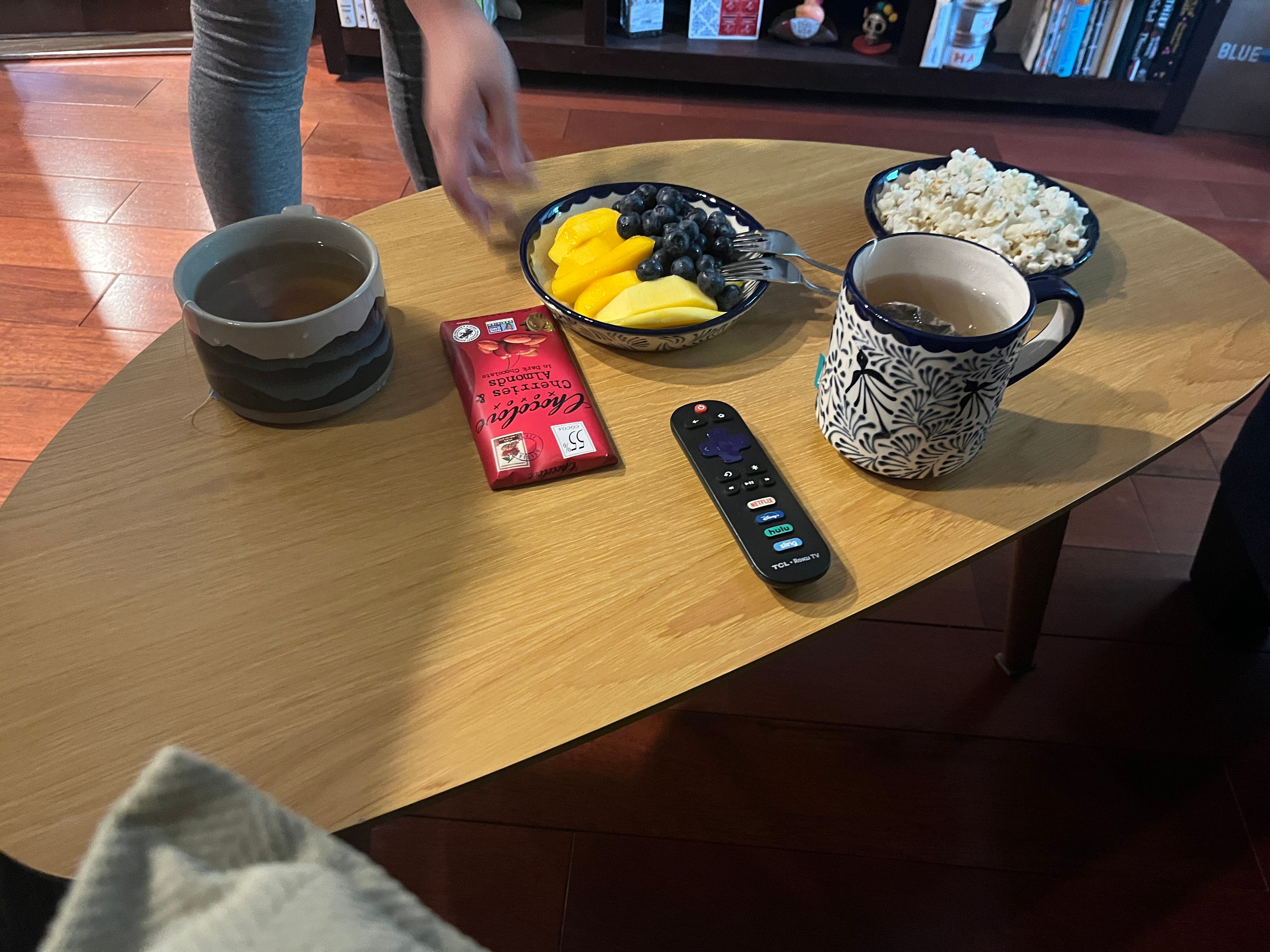
Yesterday, I made my first attempt of contact outside of my apartment visiting a friend on the Upper East Side for a long swim and fruit and tea and hiding out from the rain after.
I did successfully ride the bus despite some mild confusion, and the chill of the pool water helped bring my muscles back to life after days in bed.
And, as far as how it all turns out after these last few days of rest, I can happily say it’s not for me to know.
j