


ESSAY EIGHT: "THE EAGLE"
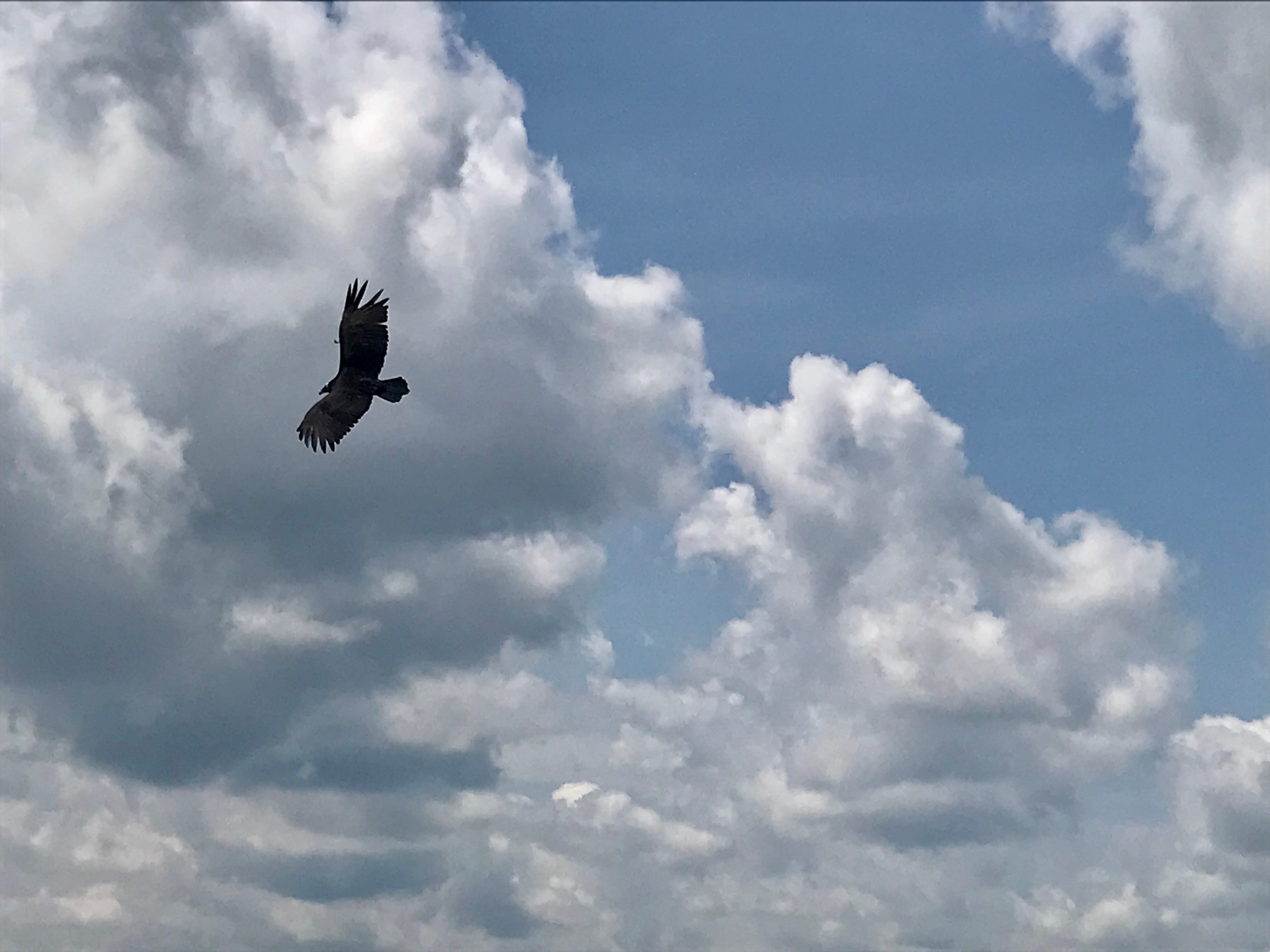
This is the time it is quiet. We sit. He sits. She sits. We are fluid.
From up here, we see the movement. The furred ones below. Sharp hangs from us. We can grab and have them. If we are quick.
Can we remember a time before this? Before, when we were shelled.
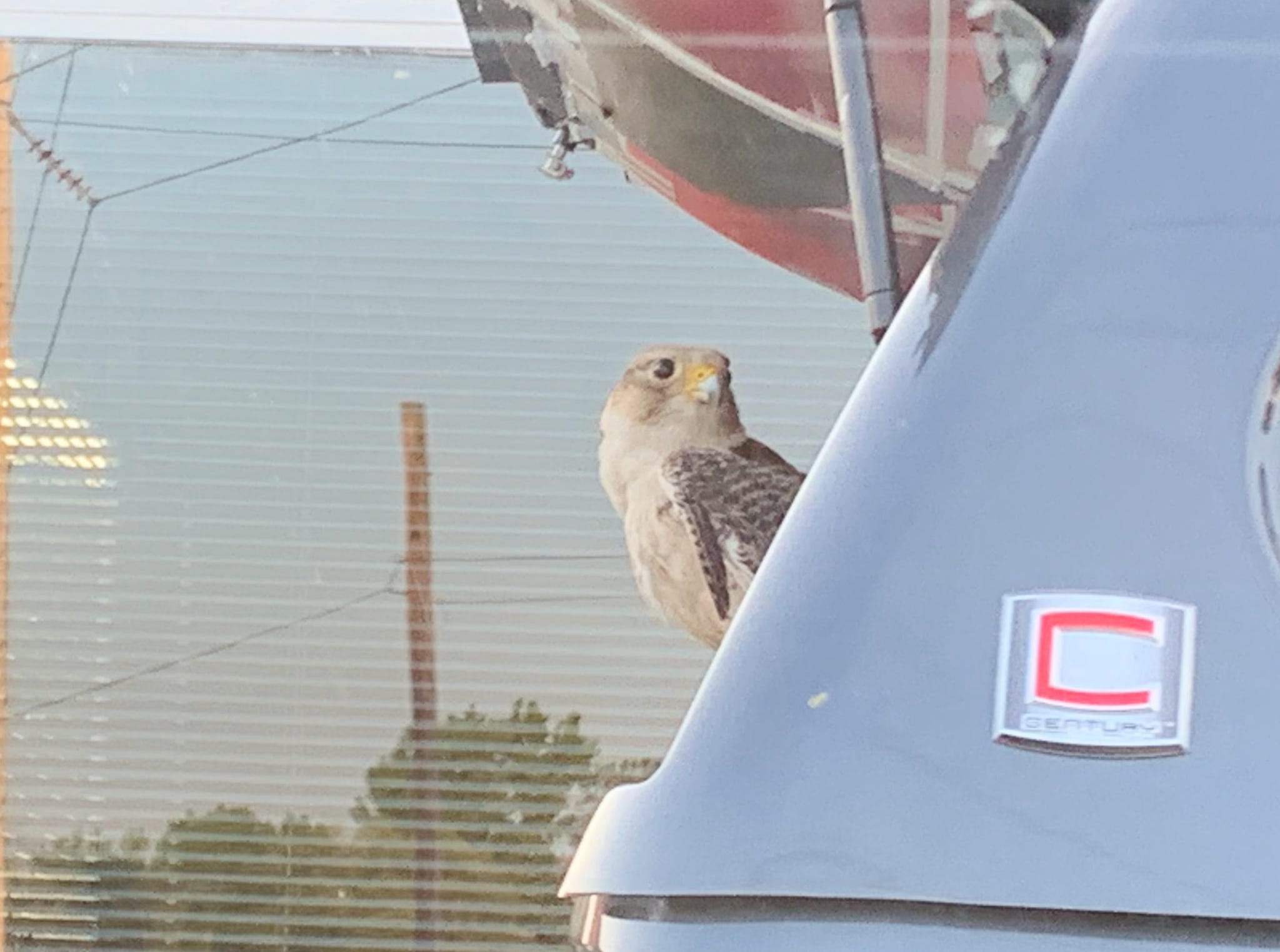
We wait for each other. He goes. She goes. We always return.
There are some that can't come up here. Those only on the flat. We watch from up here. We only go when we need. We go when another has taken. We clean up what they leave behind.
We fly alone. We go into wet. We take what moves.
AFTERTHOUGHTS
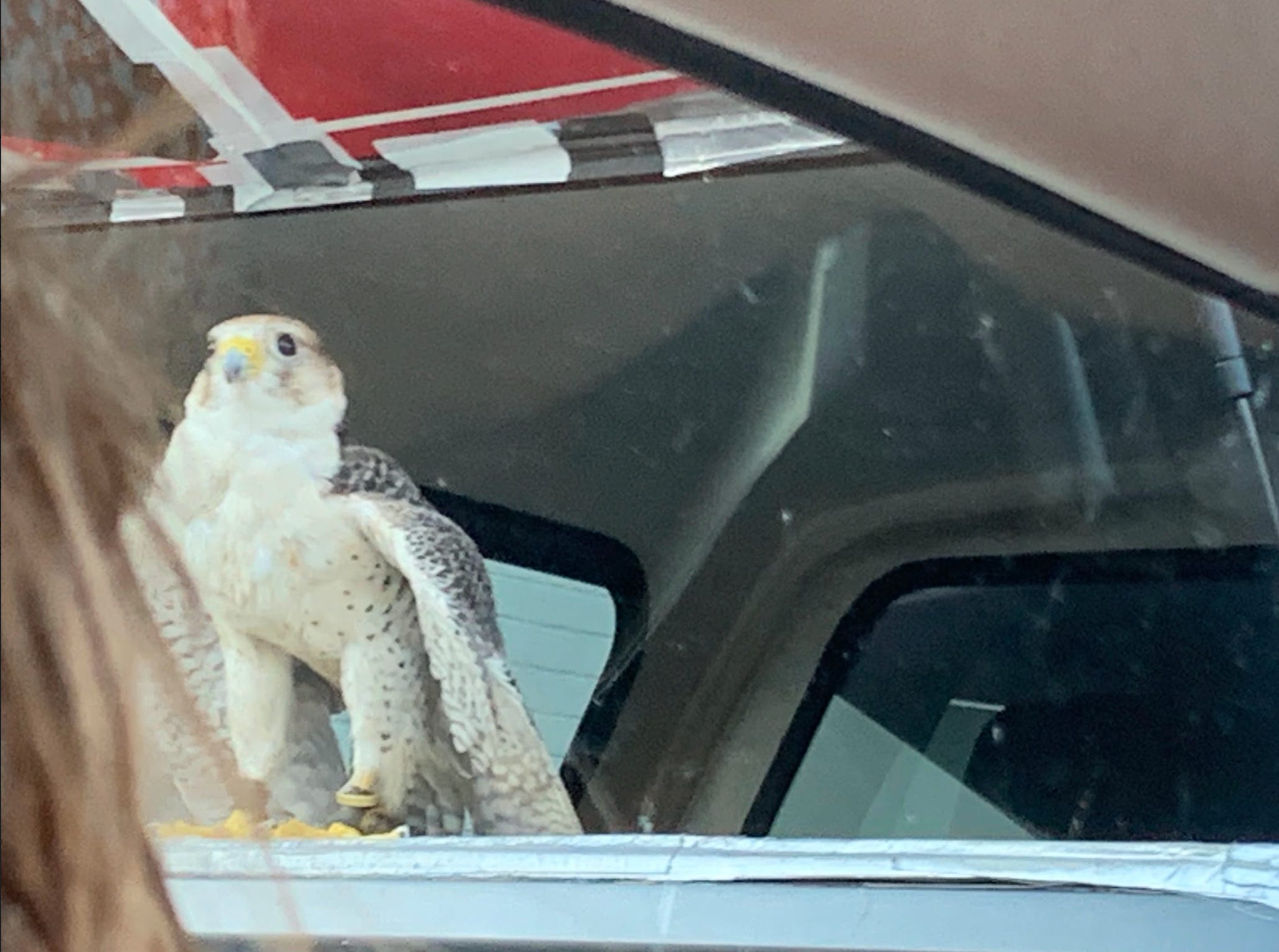
You may have noticed the images above are not of eagles, but their relative: hawk. I've never crossed paths with an eagle, and for now, I'm aiming to use only photos of animals I've encountered.
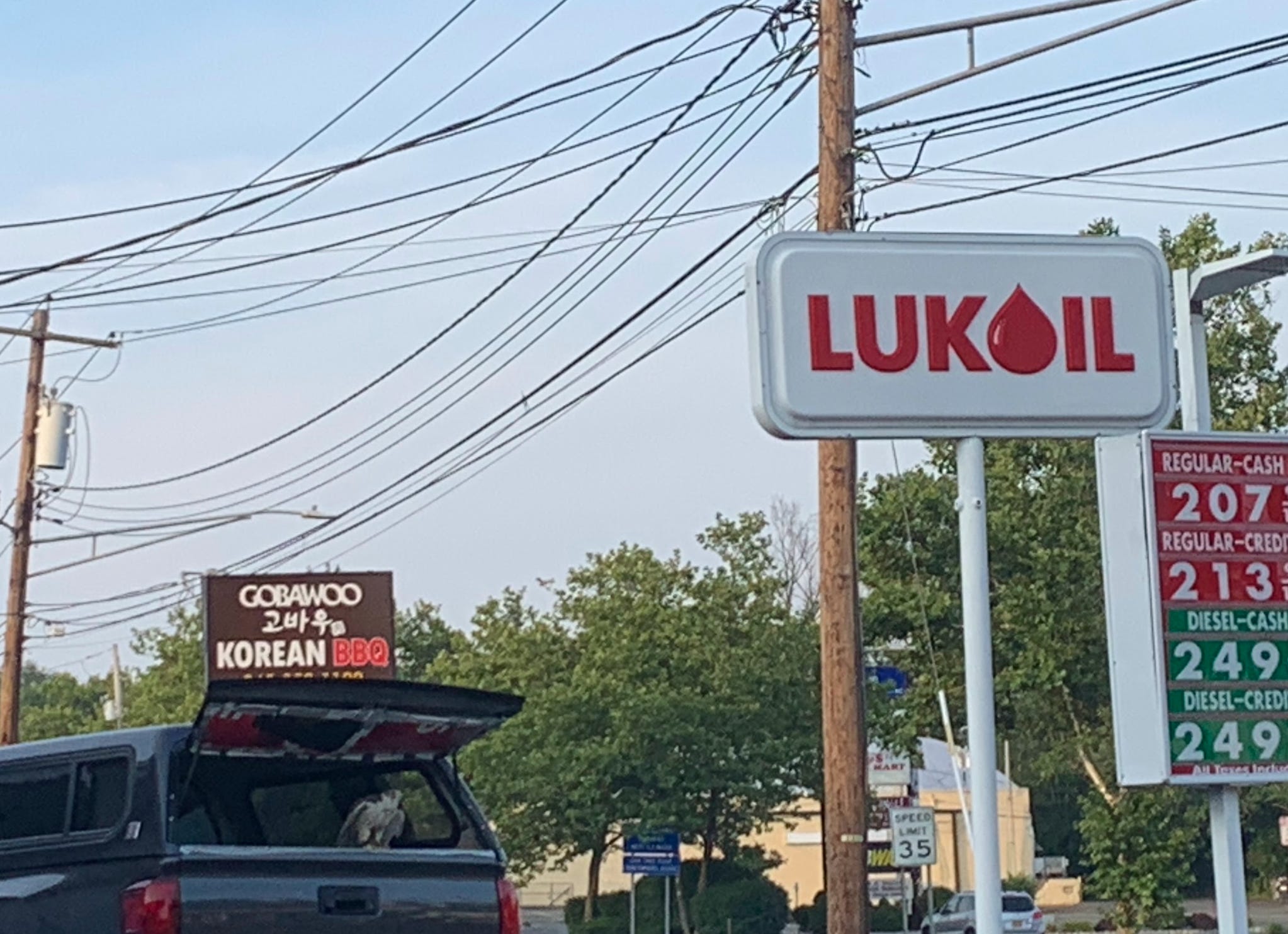
This hawk was tethered to the back of a truck in Northvale, NJ at a Lukoil station. The bird extended their wings occasionally as I watched them, the attendant filling up our tank with gas. Poet Brenda Hillman described a ritual of moaning at the gas tank, as in mourning the impact we have while in the midst of said action, perhaps in a moment we perceive there being no other choice.
We didn't stay long enough to discover who was the keeper of the bird. It was mid-July of 2020 and any human contact was still at a minimum. I selfishly didn't want to see. In my mind, I could imagine the kindest situation: perhaps they were an injured bird being rehabilitated. Saved from something. Besides, it was a hot day and I wanted out of the Jersey sun.
The other photo is from two summers before. A hike with a childhood friend up a mountain in the Hudson Valley. These hawks were, in comparison, more free.
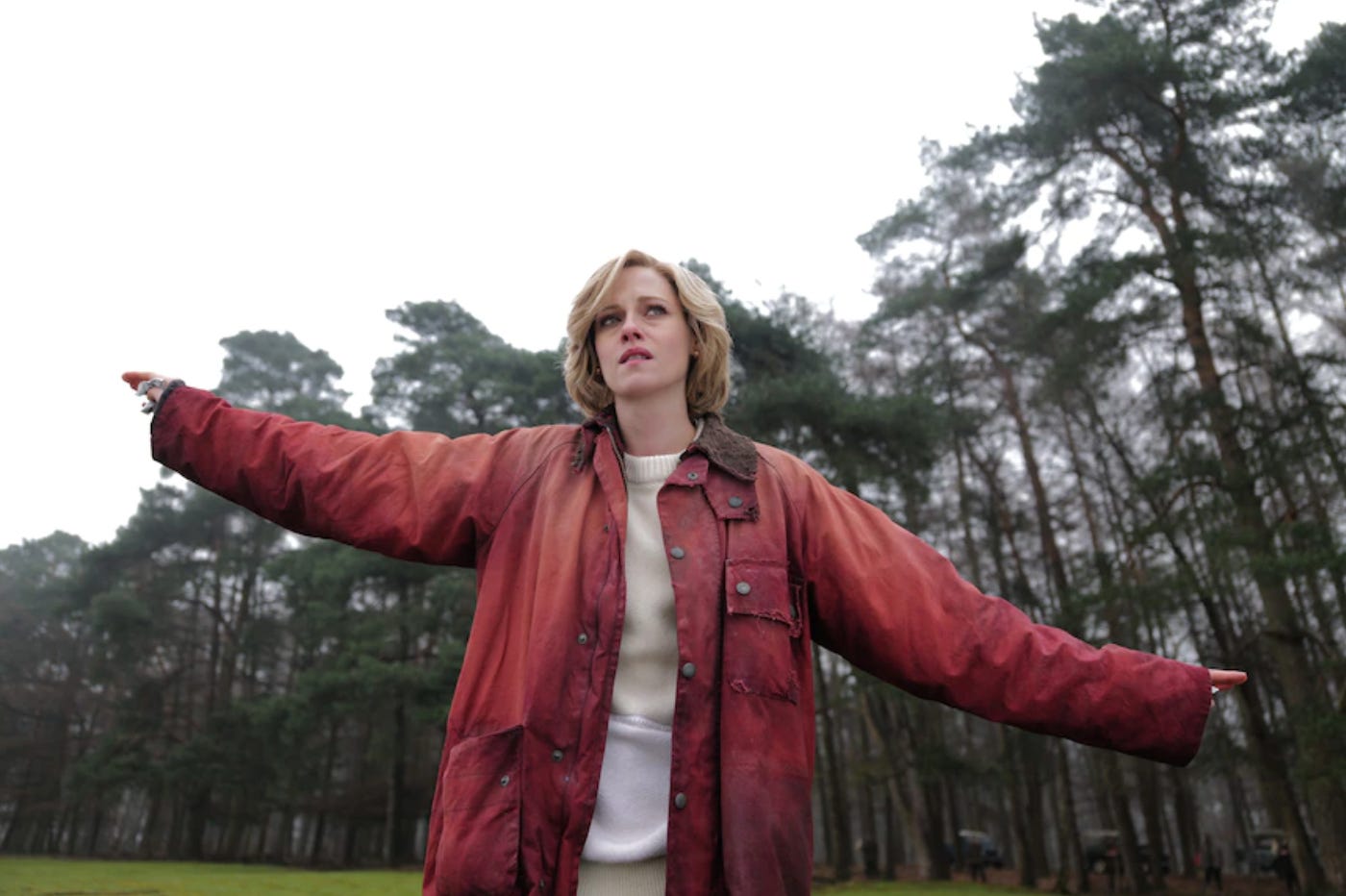
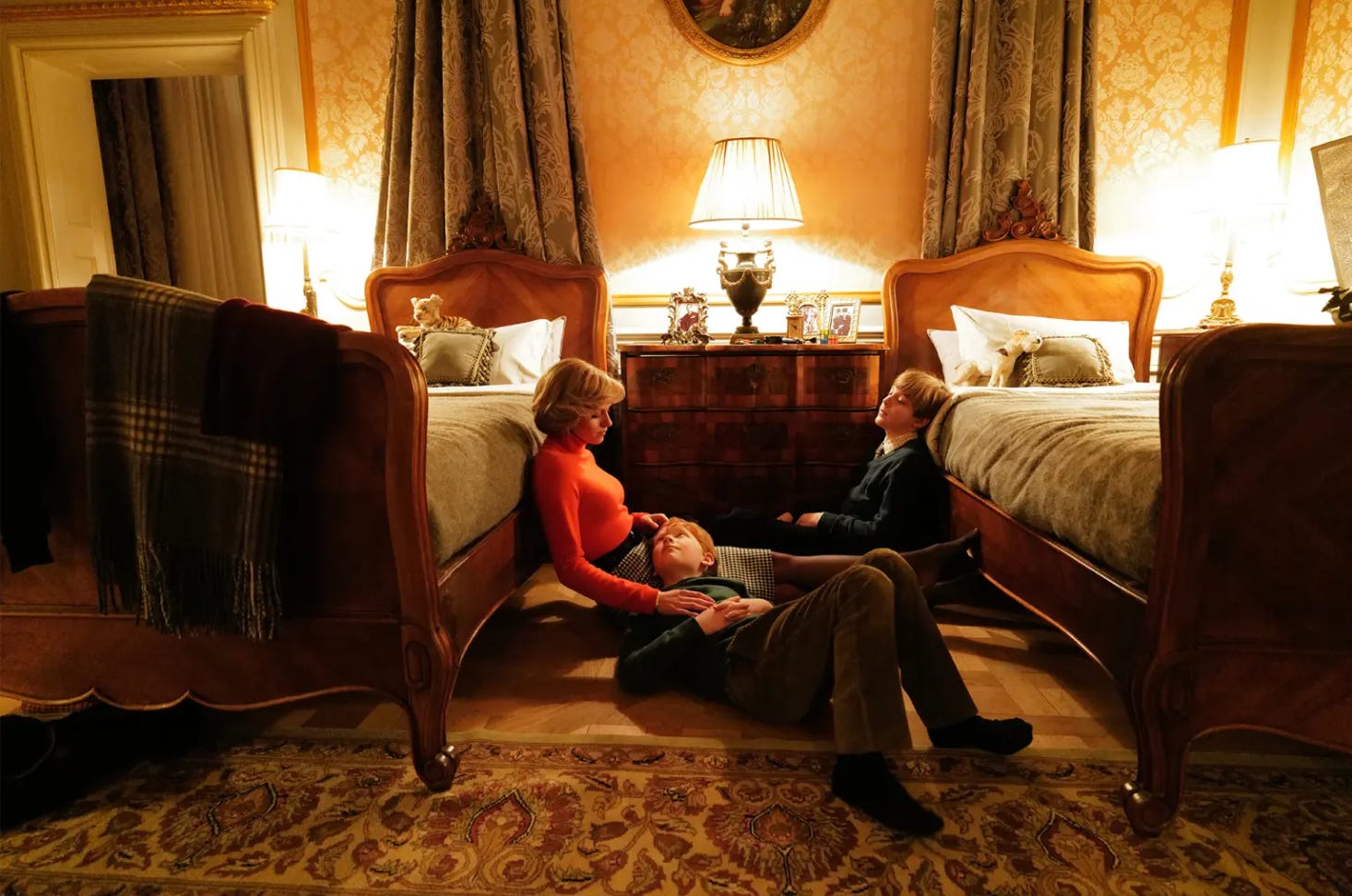
I'm writhing this on the Fourth of July, 2022. I just finished watching Spencer, the film about Princess Diana entrapped at the royal family home on Christmas starring Kirsten Stewart. All I can think about is the moment of her at the pheasant hunt, insisting she save her boys, who hadn't wanted to shoot a gun, from the coercion into violence. She uses her body, placed between the guns and the birds. She was only protected because of her body's current value to the state.
And then, because it's Fourth of July, I started to think about eagles, our supposed sacred bird.
The first time I saw an eagle I was in a state park near Clearwater, Florida in my early twenties. The mated pair had nested, and we watched a bit of movement in the nest at the top of a tree at the end of a chained-off path. Babies.
Eagles are known as attentive, even equitable parents. I was curious to know more of their origin as a national symbol, but became more invested in the indigenous storytellers populating my search instead of the nationalist websites. There are many incantations of the eagle as sacred, but the Lakota origin story reminded me most of the sacrifice I'd just watched on screen, a story of a woman dislocated from her past.
In the Lakota retelling, a young woman is the lone survivor of a flood. She is on earth all alone until she meets an eagle who has been watching over her. She confesses to the bird, "There is only me. And all I have is sadness. It stays with me day and night."
The eagle consults with his guide and decides he will give up his wings, his gift of flight, so as to live on the ground with the woman. To become her companion. To build a new future. Together.
Near the end of the film, one of Princess Diana's only friends tells her: "Fuck doctors. What you need is love." The declaration makes her interruption of the hunt even more loaded, as if to say: "Fuck tradition. This is love."
READING LIST: SURVIVAL
There are contemporary stories of our evolving relationship with hawks and eagles. H is for Hawk by Helen Macdonald, a memoir of a grieving woman who becomes a falconer and Jack Emerson Davis' The Bald Eagle, which looks at the history of the bird from indigenous relationships to the famous discovery of DDT, an environmental pollutant, weakening eagles' eggshells and reducing their population in the 70s.
Envelopes of Air, an exchange of poems between Ada Limón and Natalie Diaz. I quote from one of Limón's poems below. I love her image of the sky as aquatic through the use of the eagle body:
"I slipped my hands in the cold salt froth / of the Pacific Ocean just two days ago. Planet-like / and everything aquatic, even the sky, where an eagle / unfolded so much larger than my shadow."
Join this Sunday at 8:30 PM EST for a Howl with other writers and artists creating with animal lives as our common source.
Missed last week's podcast episode with Elizabeth Lo on thinking like dogs? Listen here.