
Paris
from saint to goddess, lush silence, and myths of motherhood.

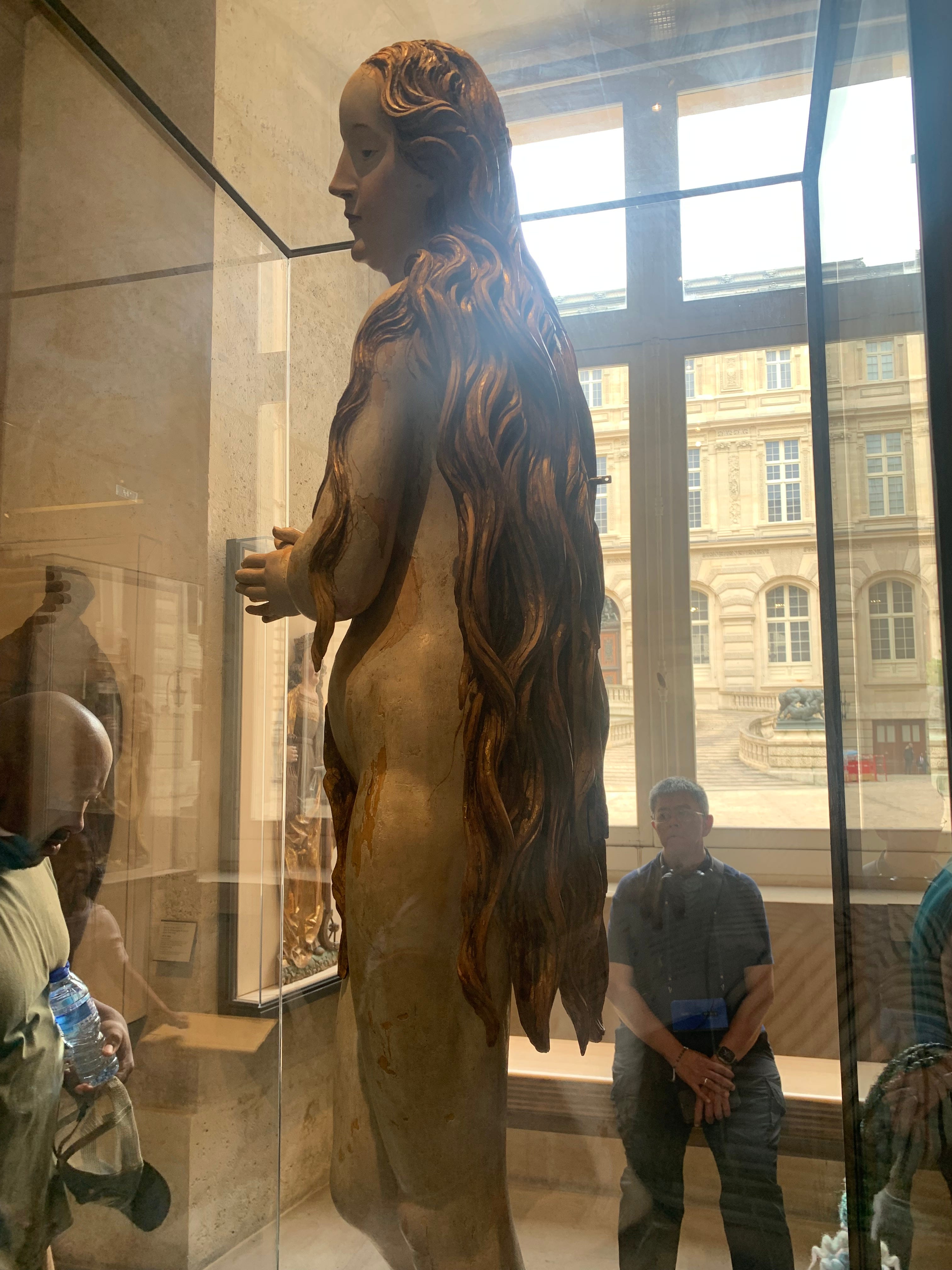
The sculpture of Mary Magdalene by Gregor Erhar from the 1500s at the Louvre might for some be heresy, or perhaps embodies what exactly it is that made Magdalene a heretic.
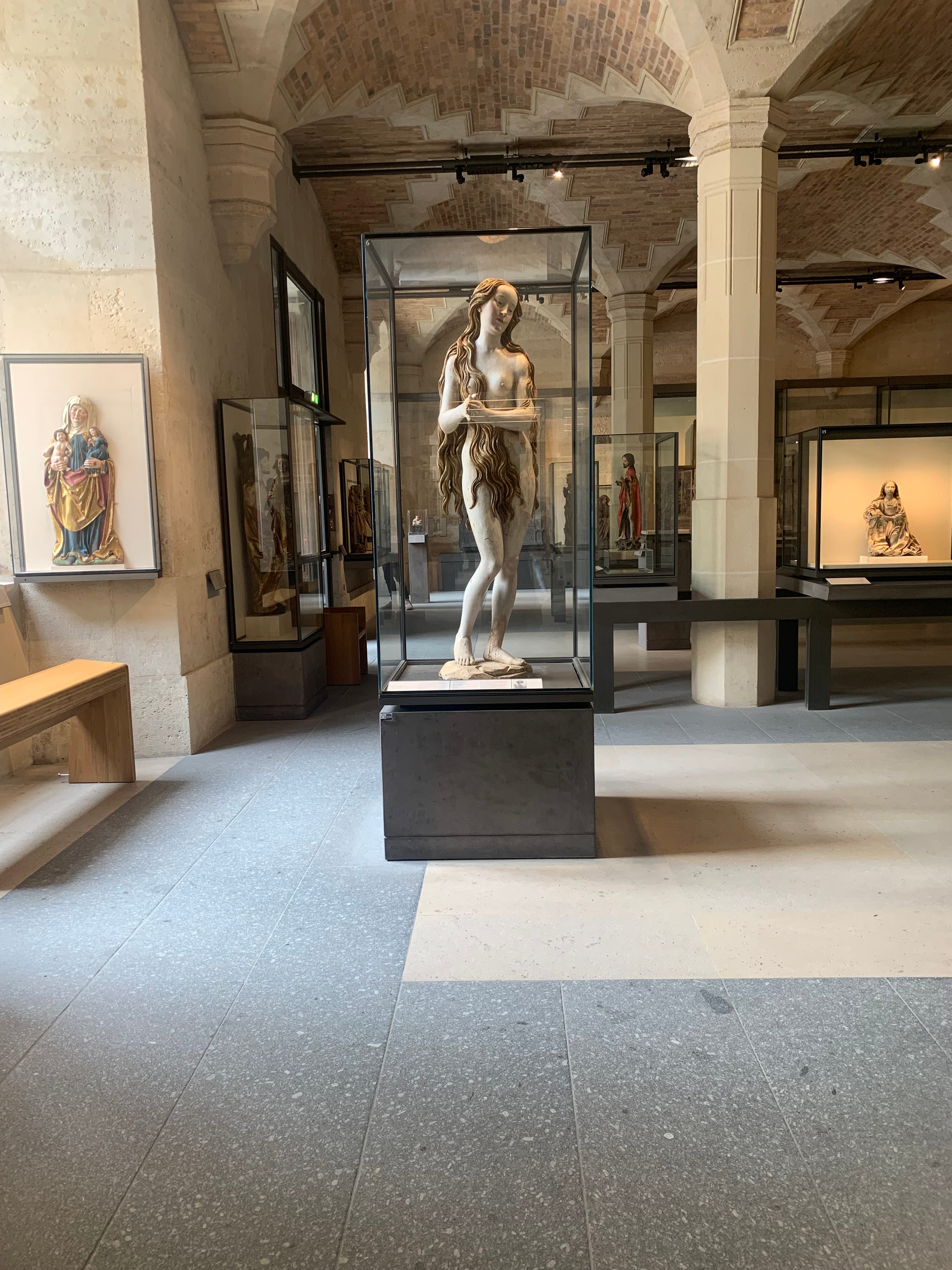
Her, erotic, meaning the core of the word which is a boundary / portal / vessel between having and wanting, which isn’t just what might be suggested by her nudity but her proximity to spiritual knowledge. She is not posing, and, if anything, is deep in thought, observing herself away from any particular gaze. What could be seen as demure and sheepish were her hands not to be in near-missable prayer. For me, the statue embodies a quiet self-possession. A woman so clearly herself, attuned to her inner voice. Inviting but unconcerned with approval or validation. Likely to continue her mid-spin all the way around and away should it prove necessary.
Today I was reading Marie Howe’s poem “Magdalene — The Seven Devils.” There’s a biblical verse she introduces the poem with: “Mary, called Magdalene, from whom seven devils had been cast out” — Luke 8:2.
The poem plays with this struggle to identify a list of those seven devils within the speaker, which seem to exist only on the plane of irony given that the devils the speaker “confesses to” or “expels” throughout the poem are not only constantly interrupted or replaced, but seem to only speak to the fact that they are not elements of self that should be forgiven at all:
The fourth was that I was made of guts and blood with a thin layer
of skin lightly thrown over the whole thing.
Like, how dare Mary, or anyone for that matter, have a body, let alone sensuality.
Howe, again:
No, not the sound — it was her body’s hunger
finally evident.
—what our mother had hidden all her life.
For months I dreamt of knucklebones and roots,
the slabs of sidewalk pushed up like crooked teeth by what grew underneath.
The underneath —that was the first devil.
It was always with me.
And that I didn’t think you — if I told you — would understand any of this —
I’ve been working the past few weeks on a new short story that’s got something to do with a pregnant artist, I think, and I’m not quite sure why I’ve been struggling to stay with it. I spent Friday night drinking tea alone at a bar trying to get out of my usual environment, and I got a few new pages out of it, while I was typing up the new pages yesterday I’m still not sure if I’m getting the world right.
I wonder if the piece came from me reading and listening on a lot to texts about making a decision to have a child, which is something I have been trying to decide for myself the past year or so, an answer I feel I should have at the ready if I start dating again, a self-imposed pressure I suppose, and so I thought maybe this character is coming to me to help me sort my way into some kind of answer.
I remember seeing the sculpture of Mary in 2024 when I had just enough left on a research stipend that brought me to The Netherlands to take a train to Paris where I could rent a small bed for two nights before flying home.
My last night in The Netherlands I’d gone dancing with friends of friends at a hostel. We took a shopping cart to the club.
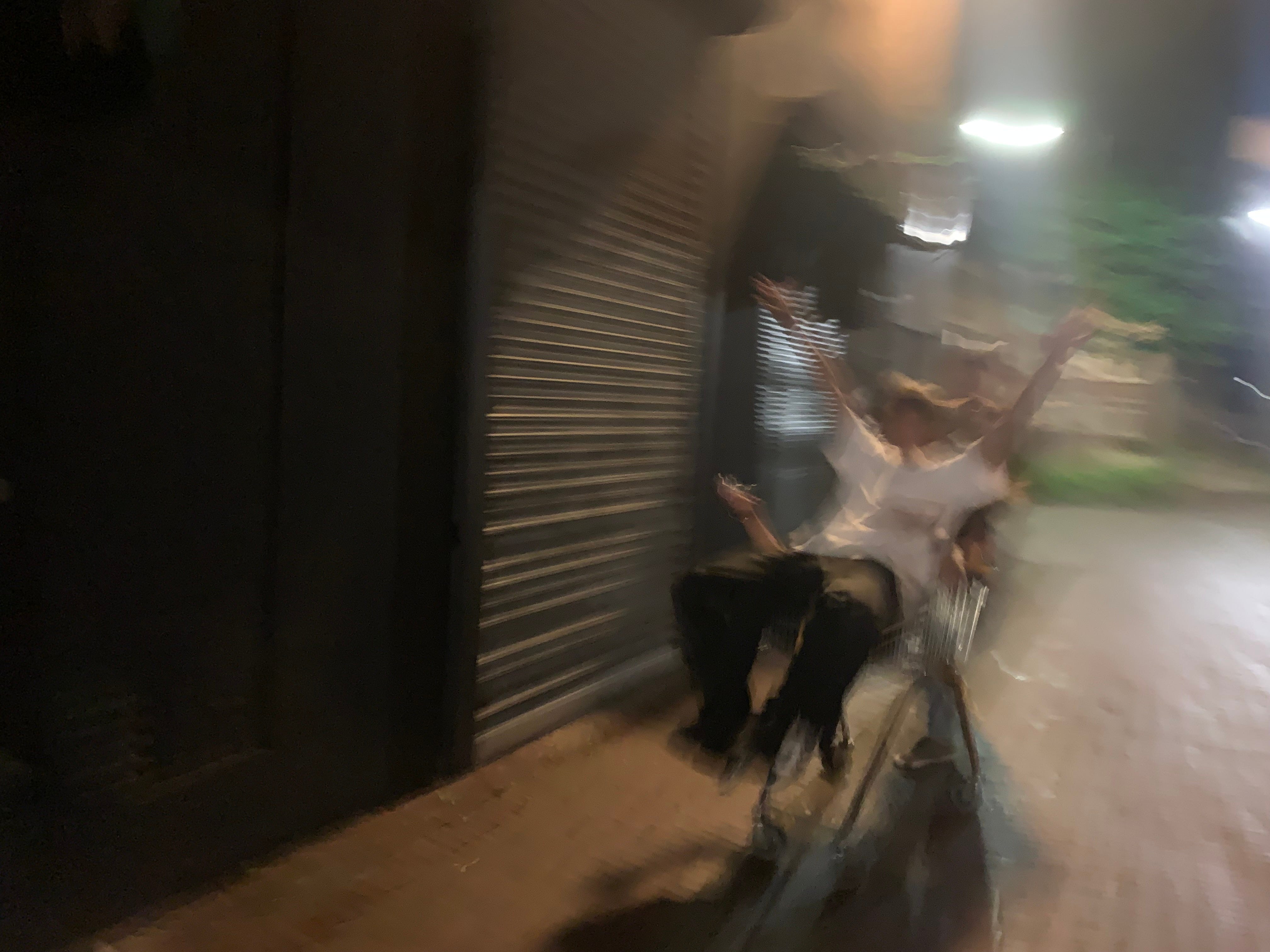
It was a kind of freedom I hadn’t been able to find in my home life for years, maybe largely because I was hesitant to step outside of the identity I had at my particular job and therefore community. It just felt so good to fly together down that alley.
I had to get up earlier than I wanted to make the train, lucky to find a vegan pastry to make it through the several hours ahead of me during which I thought I’d get back to sleep but couldn’t.
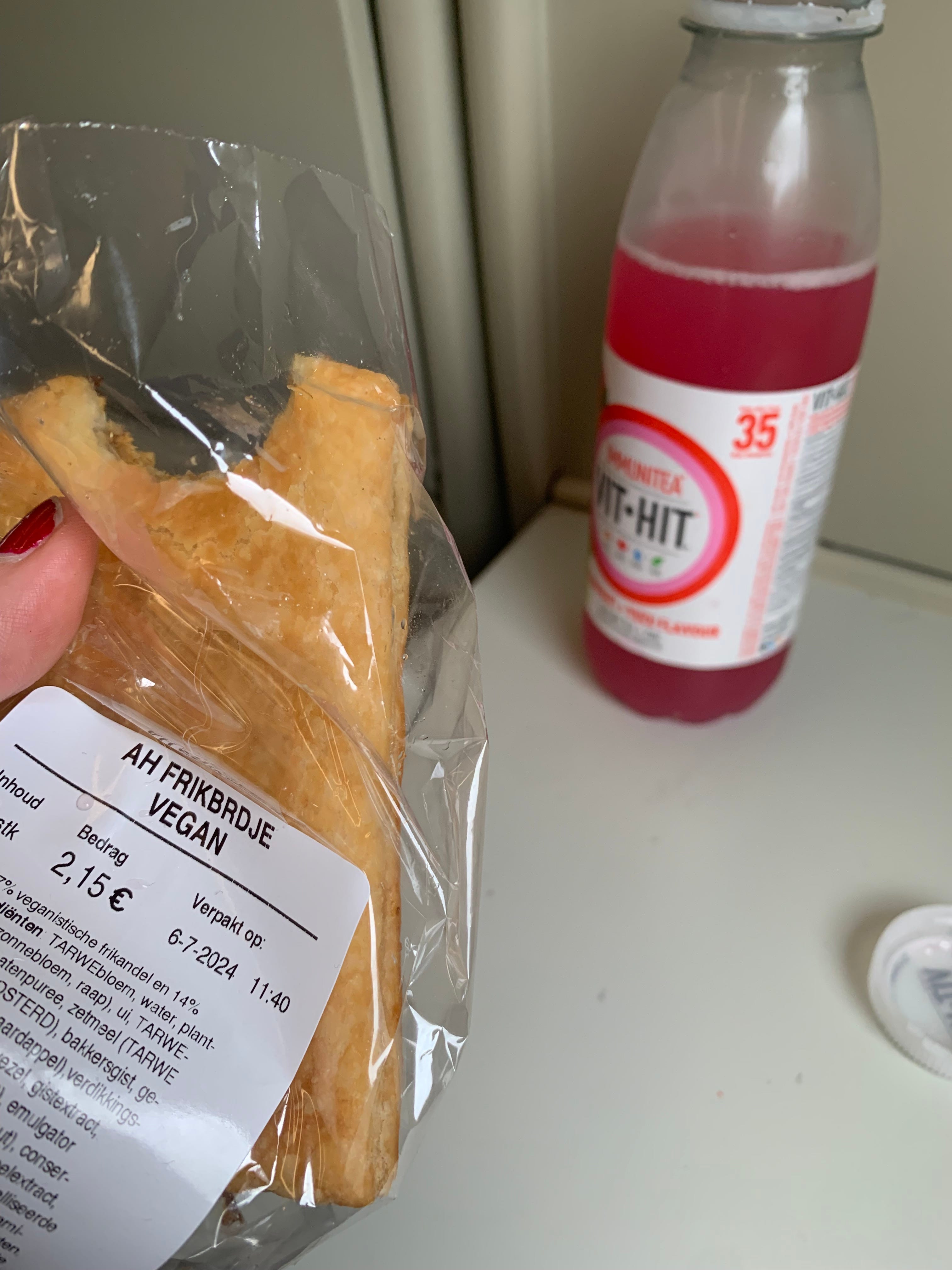
I found my room and rested.
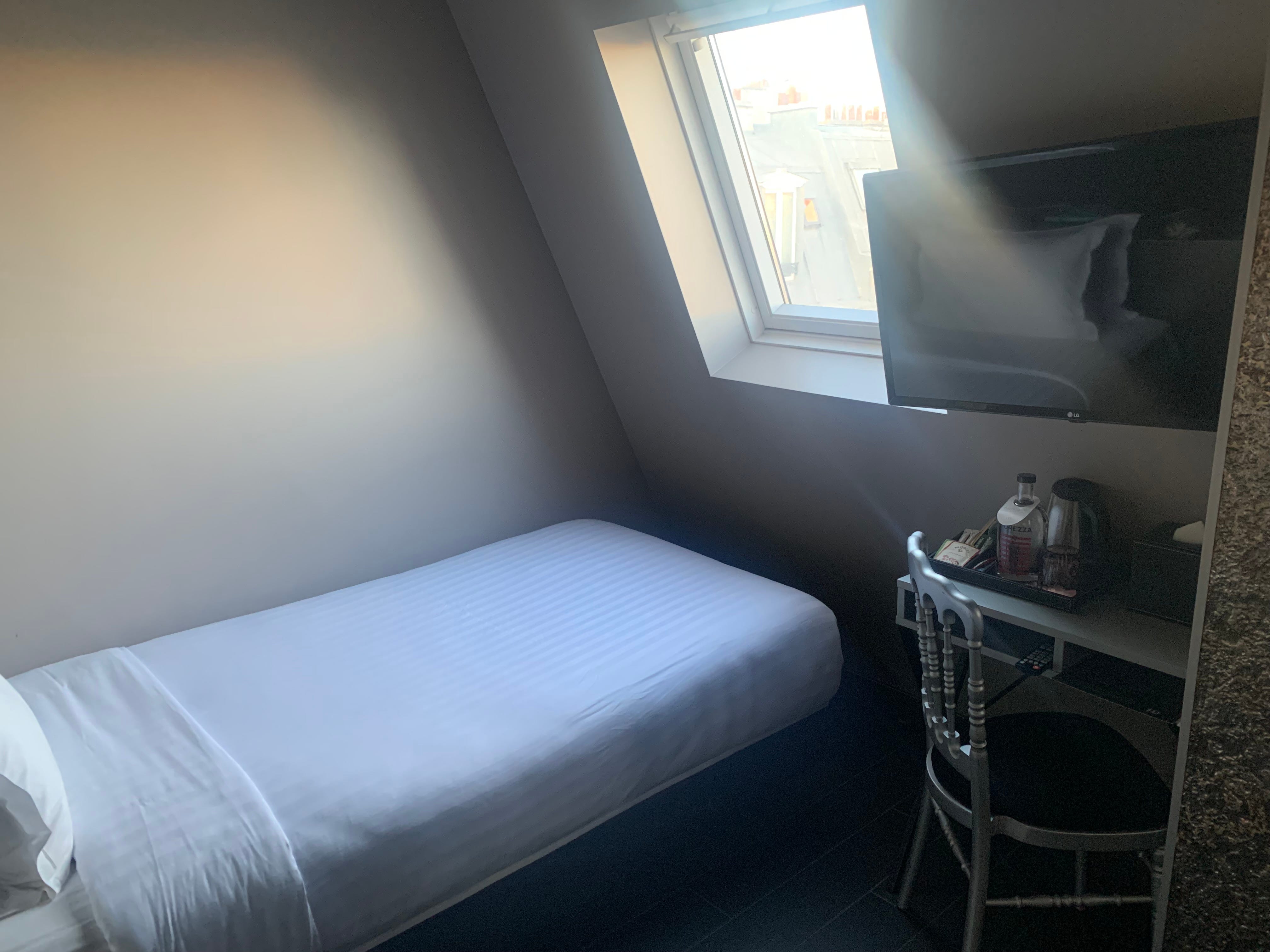
Only clouds above.
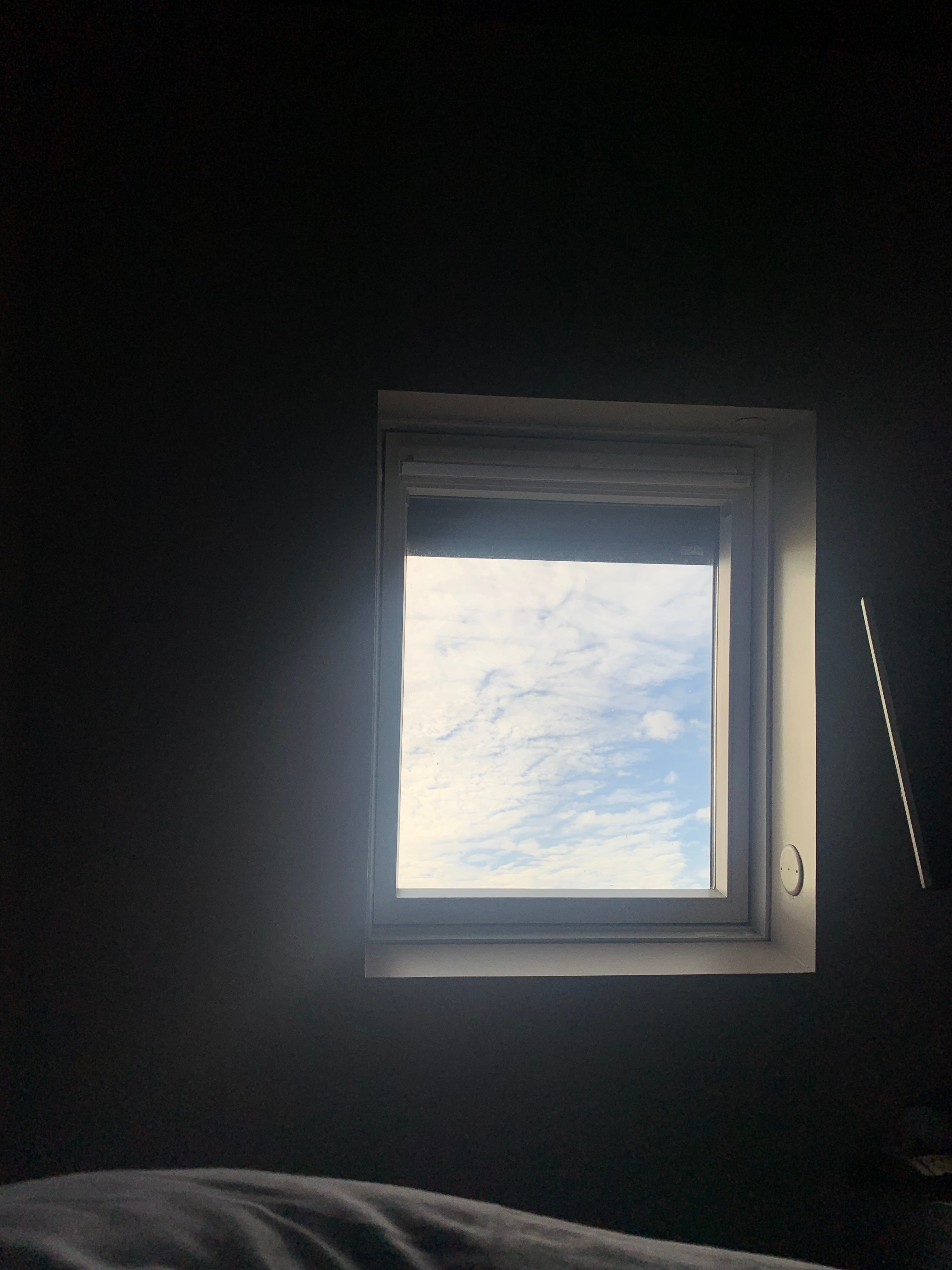
“I could stay here my whole life,” I remember thinking.
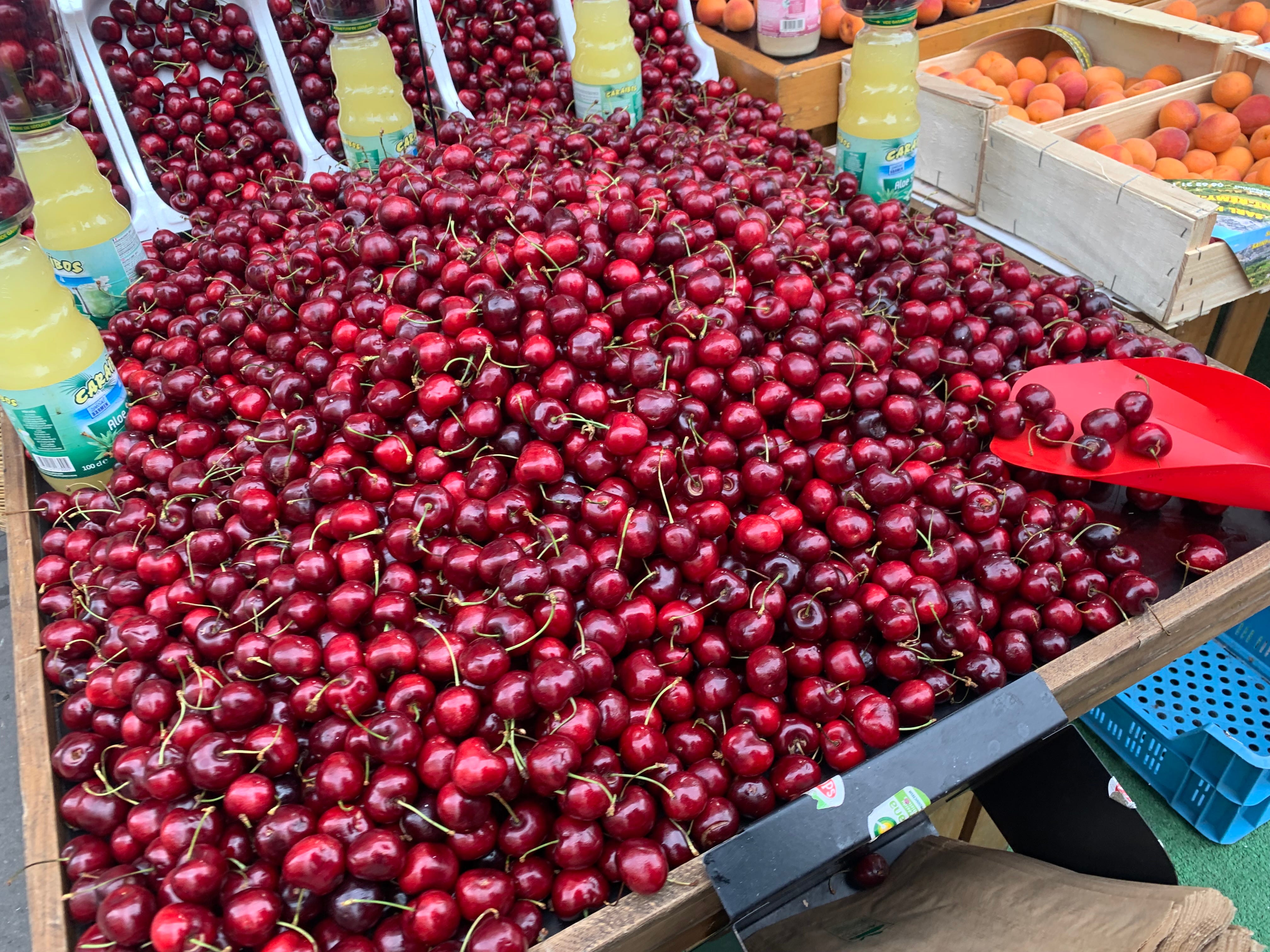
But the point of being here was lushness. I encouraged myself out—tired as I was—to the markets, to the museum, to the statue. Then, to the grass outside of the museum…
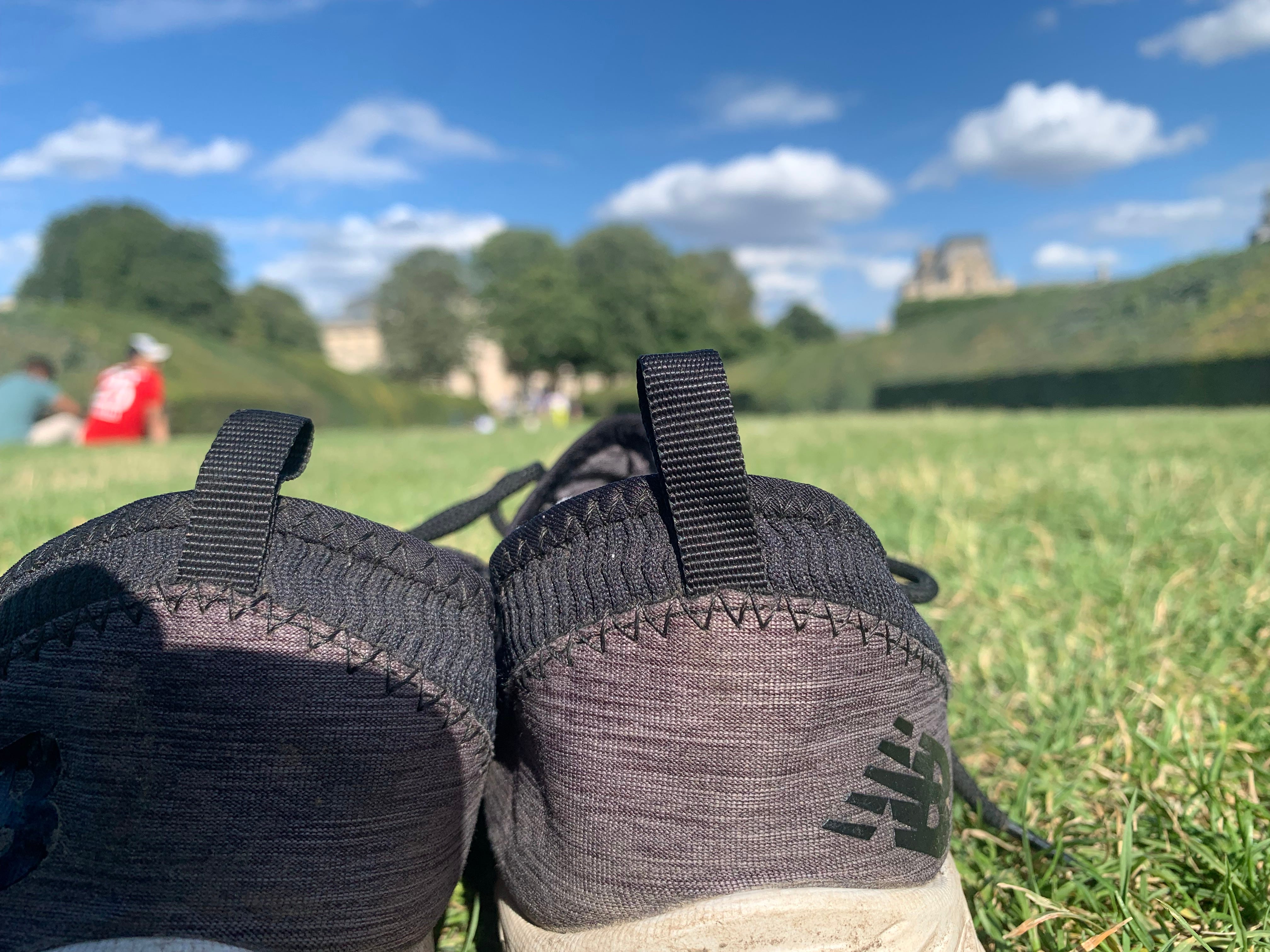
…and down and down the streets until I found a table outside of Shakespeare and Company to write.
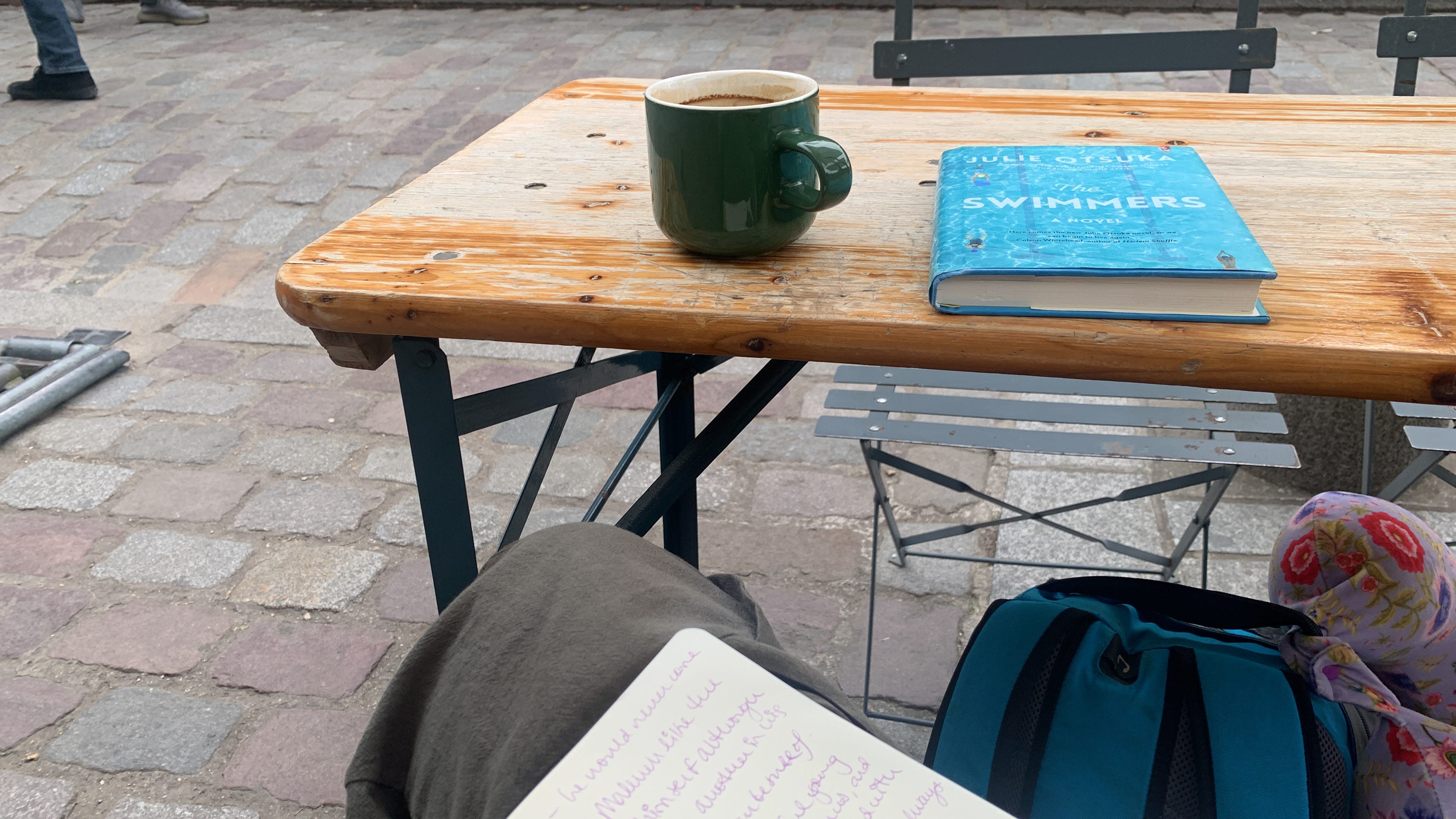
The short story I started there is one that is still taking shape after two years but I recently just started sending around. Was thinking today how easily that one came compared to the piece I’ve been working on the last few weeks. Maybe it’s because with the Paris one I felt in writing it I was moving more fully into the territory I’d been hovering around while with this current piece is almost like a backward march into a voice and world that I thought I’d let go of—this very simple human plot of being pregnant and ill-partnered. Maybe it is part of the fear that’s been coming up as I half-read these make-a-choice-about-having-a-child books and talk to friends who have found themselves at very different points along the spectrum from childfree to childless to new mother to adoptive parent to sperm donor. I wonder if just coaxing myself into writing through this one will help me decide for myself, and maybe that’s why I’m a bit reluctant.
Last month when I read in the Village I was on a line-up with Ruthie Ackerman who read from her memoir The Mother Code: My Story of Love, Loss, and the Myths That Shape Us and hearing her read and chatting with her and her husband brought up all those questions for me around the mythology of motherhood I’d internalized during my own search for answers, both what it takes and what it takes from us.
“And so the biggest incentive, I think, for motherhood, would be a society that truly believes that women deserve and can live a good life, whether or not we decide to get married and have children,” Ackerman reflected on NPR.
It’s important to have child-bearing people like Ackerman wonder aloud what it means to become a parent and to make that questioning louder and more nuanced, to not so easily class people in one camp or the other, to cast morality on either choice. Brittany Luse did two great episodes this year on the topic:
and
Many women don’t want kids. And for good reason
with the second having Luse say something that hit my particular anxiety around the topic square: “it kind of indicates to me that there is almost no right number. It's more of like a judgment on women's choices more broadly. Like, there is no right number of children to have.”
Yeah.
This made me think back to Ackerman when she shared how “we don't talk about it, exactly. Maternal ambivalence is the norm, and yet we're told that people that are hell yes are the norm…I think we do a disservice to ourselves and to all women when we say, you know, an alarm clock's going go off, or you're going to have an aha, when maybe that happens once we're already mothers. We grow into or become mothers through the act of mothering.”
When I name my fears around the speculation of being a mother, I do think of those moments on my very small bed with my very small window looking up at the clouds. The romance of solitude, the mythology of a figure like Mary Magdalene, the many other ways there are to mother or create life or make family.
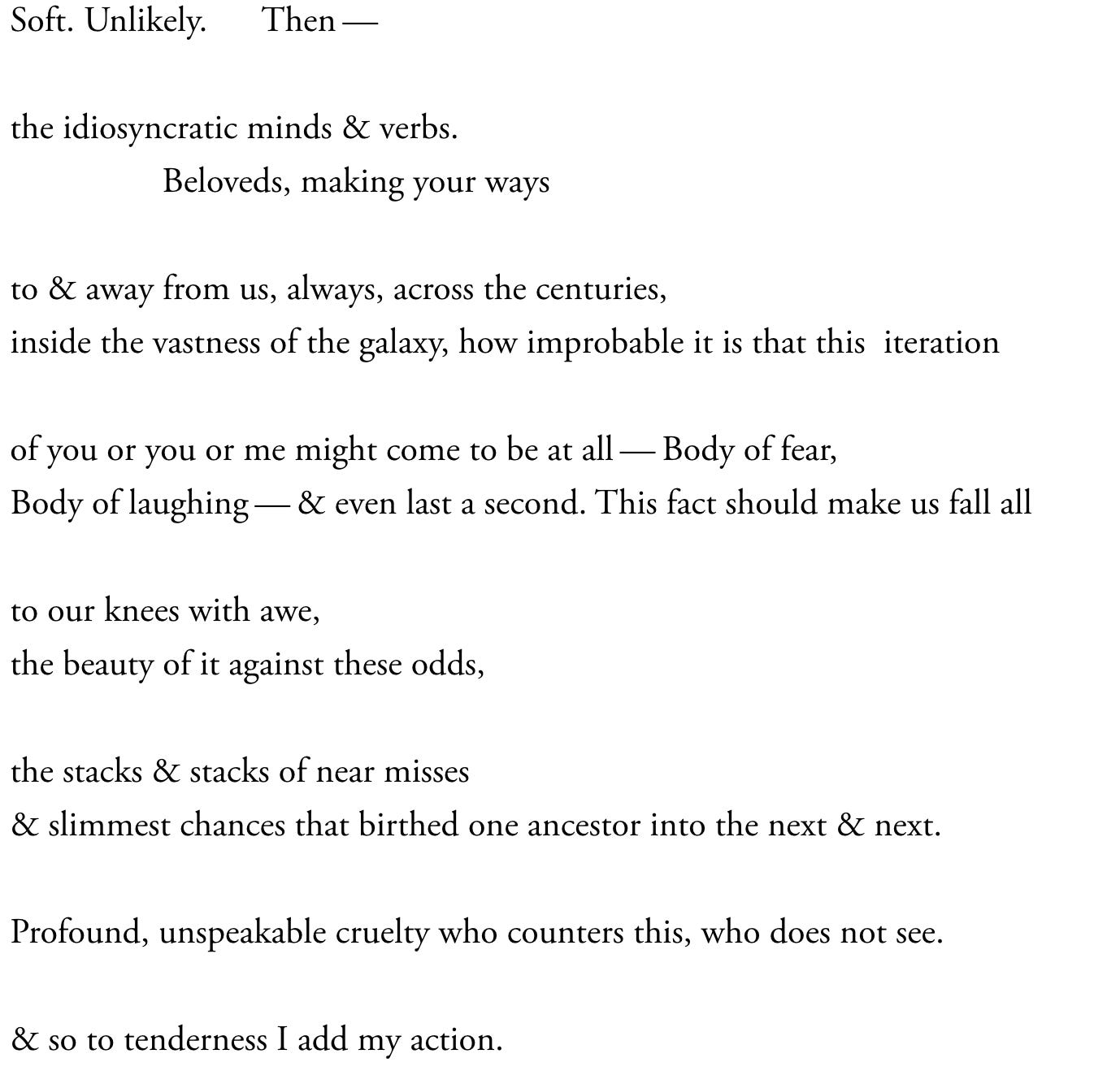
Then there’s the final stanzas of Arcaelis Girmay poem “From ‘The Black Maria’”:
I have a few hours before I’m obligated anywhere tonight, so I guess what I’m hearing as I write this is to go back to the untenable story. Finish it. See what comes.
j