
off to sea + tarot animals and oceanic feelings with Melissa Staiger!

ESSAY TEN: "AT SEA"
If I want, I can weigh tons. If I want, I can disappear into the waves. If I want, I can flap on my bell. Crawl the sand. Crawl the land.
What I want, what I want: to make sound. Under waves, like patters. The water my doorway. I call. Do you hear?
Like night knocks. Fearful dreams. But don't. I am saying this: hello.
It is easier to hear below. Sometimes you can't how we hear, but we are. We are listening.
Above, I breath out. Most of the time, I do not. Most of my air I hold in, stay under. My blood thickens. Here, I feast.
AFTERTHOUGHTS
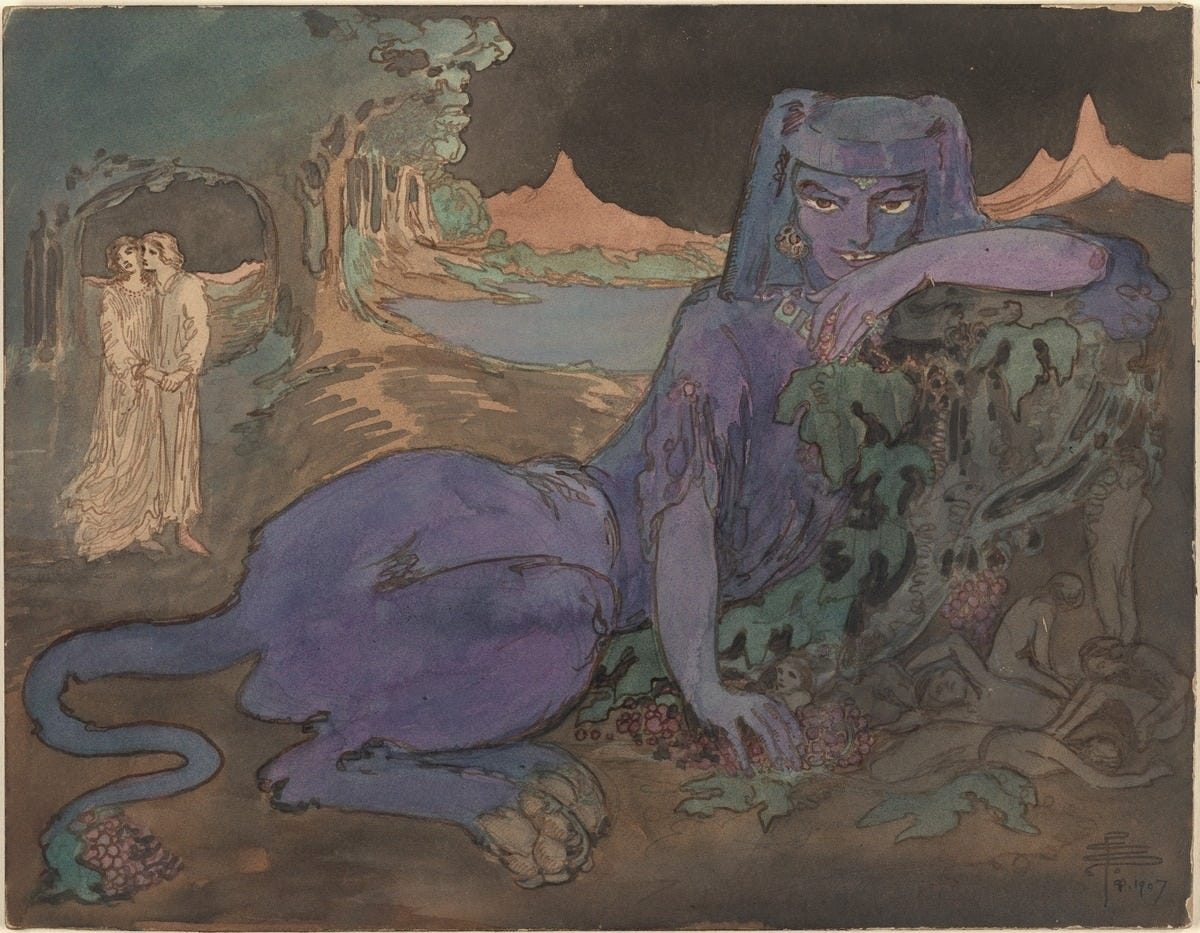
Pamela Colman Smith’s “The Blue Cat,” undated, watercolor on paper. Credit Beinecke Rare Book and Manuscript Library; Yale University
In "Seal Skin and Language," Zsófia Márki writes of the centuries of stories exchanged around the Northern British Isles of the selkie wife and seal people, those who shapeshift between land and water.
The first time I heard the myth was in John Sayles' The Secret of Roan Inish (the two following images are from the film), which I watched with my mother as a child on our pull-out couch.
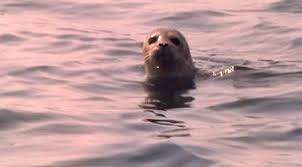
Watching the film, I remember feeling as though I'd lived this story. It was what kids did all the time. We tamed ourselves. We knew when it was time to "play" and when it wasn't. We measured the consequence of missing a curfew with the urge to stay in some fantastic moment, something the adults, the humans, just wouldn't understand.
I understood in my body what it meant to lose skin, to shed, to put on new, to take back. It was the place I went when I invented games with friends, made structures in the woods, imagined the lives of the fish in the Hudson River.
Márki writes:
“The selkie wife tales all have a similar plotline. A single man, who is not interested in women and marriage, finds by chance on the seashore a selkie in human form with her skin beside her, and he immediately falls in love with her. The man steals the skin of the woman and tells her that he will give it back provided she accepts to become his partner for a few years. The man deceives her and hides the skin, so the selkie becomes his wife, and they usually have half-blood children. The seal woman becomes an ideal wife: an amazing cook, a loving mother, a singer with a beautifully melodic voice who sings magical stories about the life under the sea. Selkie wives are enchanting creatures even in their human form, distinguished by dark hair, dark eyes, and sometimes even dark skin. Local communities never fully accept the selkie wife, because of her other-worldly strangeness, but the husband refuses to let her go. Though she loves her offspring and her husband, her longing for the sea never ceases. One day with the help of one of her children she finds her seal skin and goes back to the sea, to leave her entire human family behind. After her departure she may make occasional contact with the family, but only in a seal form. The half-blood children are often able to communicate with the creatures of the sea, although they do not have seal skin but are commonly believed to be born with webbed fingers. Many adaptations focus on selkie children who inherit some of their mother's magical abilities, and their half-human, half-animal hybridity makes them odd outsiders as regards their appearance and behaviour.”
I've been feeling the urge to return to my skin. As the myth suggests, it's important to keep the skin wet, ready to be slid into at all times in the human world. But, there are some periods where you just need to slid all the way in, not just maintain it. Dive into the waves. Go. And, that's why next week's letter is out a week early. I'm off to California, to sink into the mountains, to turn off my phone and be with my writing community.
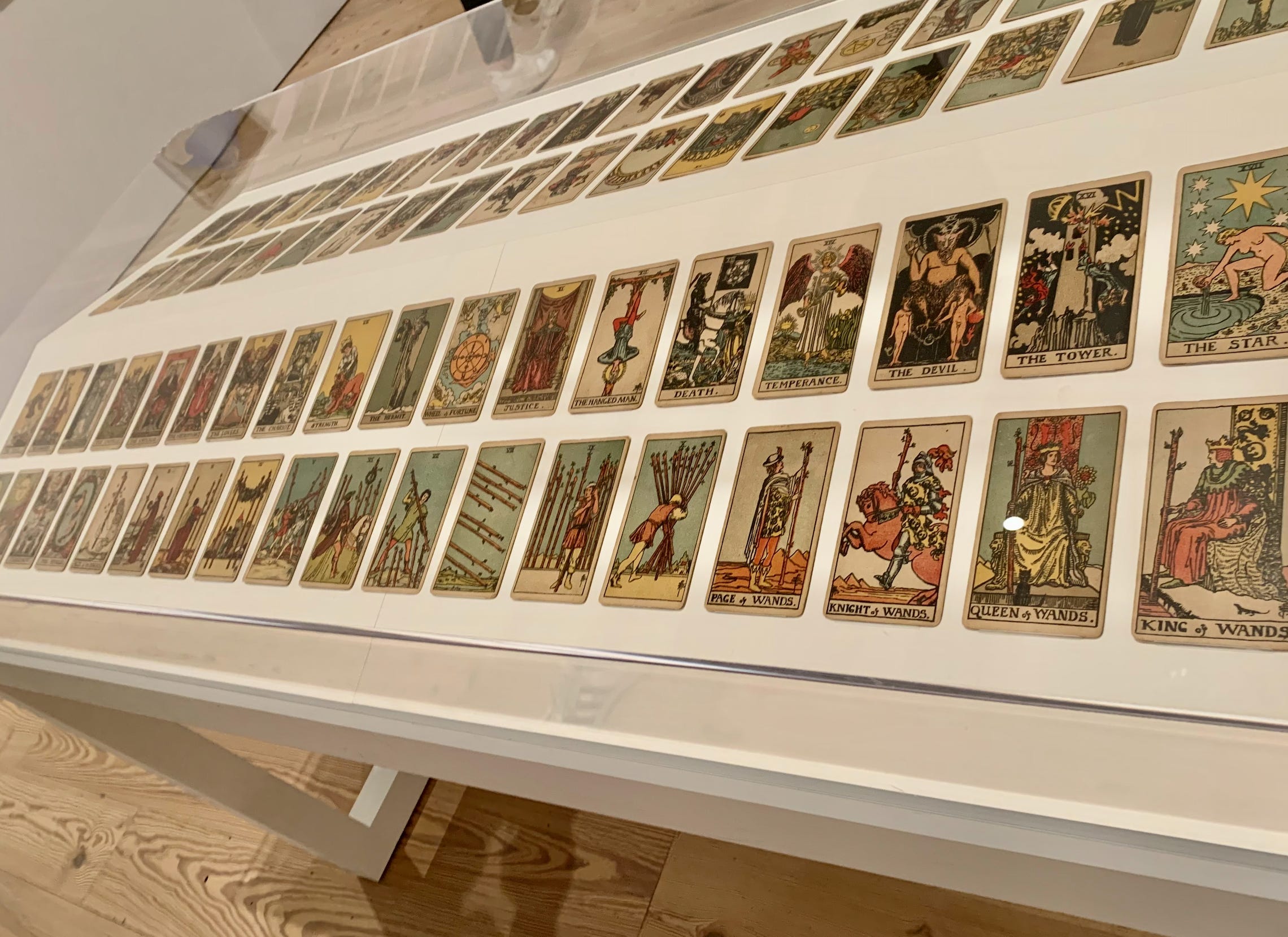
The timing to release the next podcast episode couldn't be more synchronous. Today, I speak with Melissa Staiger on the life of artist Pamela Colman Smith who was mostly remembered for illustrating the widely used Rider–Waite-Smith tarot deck. The Smith retrospective she co-curated at Pratt was reviewed by the New York Times and Staiger most recently assisted with the storytelling of Smith's life for the Whitney's Biennial. We discuss Smith's life, interpret a few of the nonhuman animals who show up on tarot cards, and share stories.
I went to visit the exhibit a few weeks ago, and was moved to see tarot cards in the Whitney. To see more of Smith's work.
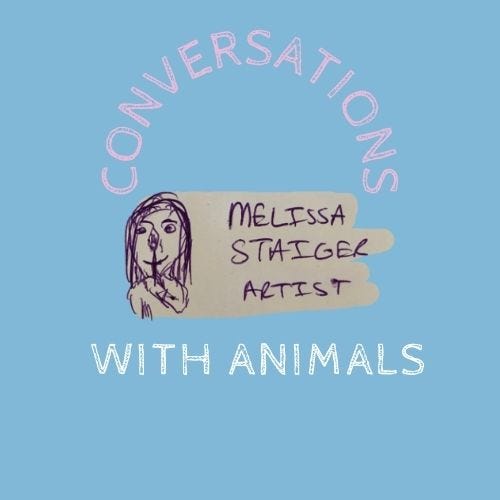
When I got to "The Wave," I felt myself reminded of seals, the selkie myth. The women in Smith's painting look much like sirens, but also as though their bodies are split, nearly blooming from one. A fractured self or a self unfolding. Mourning and attention to that mourning joined as one.
“While man attempts to tie her down within the symbolic order of patriarchal family romance by making her a wife, the selkie resists being enclosed within static meanings, and always ends up escaping back to the unknown, unmappable realms,” Márki continues.
I've reached the age where some of my childbearing friends are starting to consider the question of it they do want to bear them, beyond just concerns of the climate crisis and economic state of the world. But also, is the urge present?
To me, that always felt to be a question about creating art. Writing does feel like a state of creation. I've worried in the past that something would be sacrificed in me if I became a mother, perhaps because this what our culture demands, and presumably that is true as I imagine the hours and money needed to make such an investment. And, change is essential to life. Those changes might feel right and necessary at such a time.
Still, even now, my dog paws at me and keeps stepping on my keyboard. He is afraid of the wind, making it hard for me to type. I've had to move him ten times in the past hour, despite the soothing music, the kisses, the reassurance.
Is it selfish that I've become annoyed?
After finishing the draft of my short story collection in 2019, I held the printed pages, and whispered, without thinking, baby. Remembering this moment of a realized wanting, I listen today to Maggie Rogers' new song, "Want, Want," on repeat. Her first single from the album came out on my birthday this year and watching her release her new work makes me long to create new work of my own.
I always thought I might know my answer to this question of wanting children once I was in my 30s, but now I wonder if I'll know my answer when I have a partner, but what if even then I still don't know?
Maybe I'll have the kind of writing life with sturdy structures, or have committed to other sorts of mothering. Or a partner equally pledged to keeping their selkie skin at the ready. To care together for our creative lives.

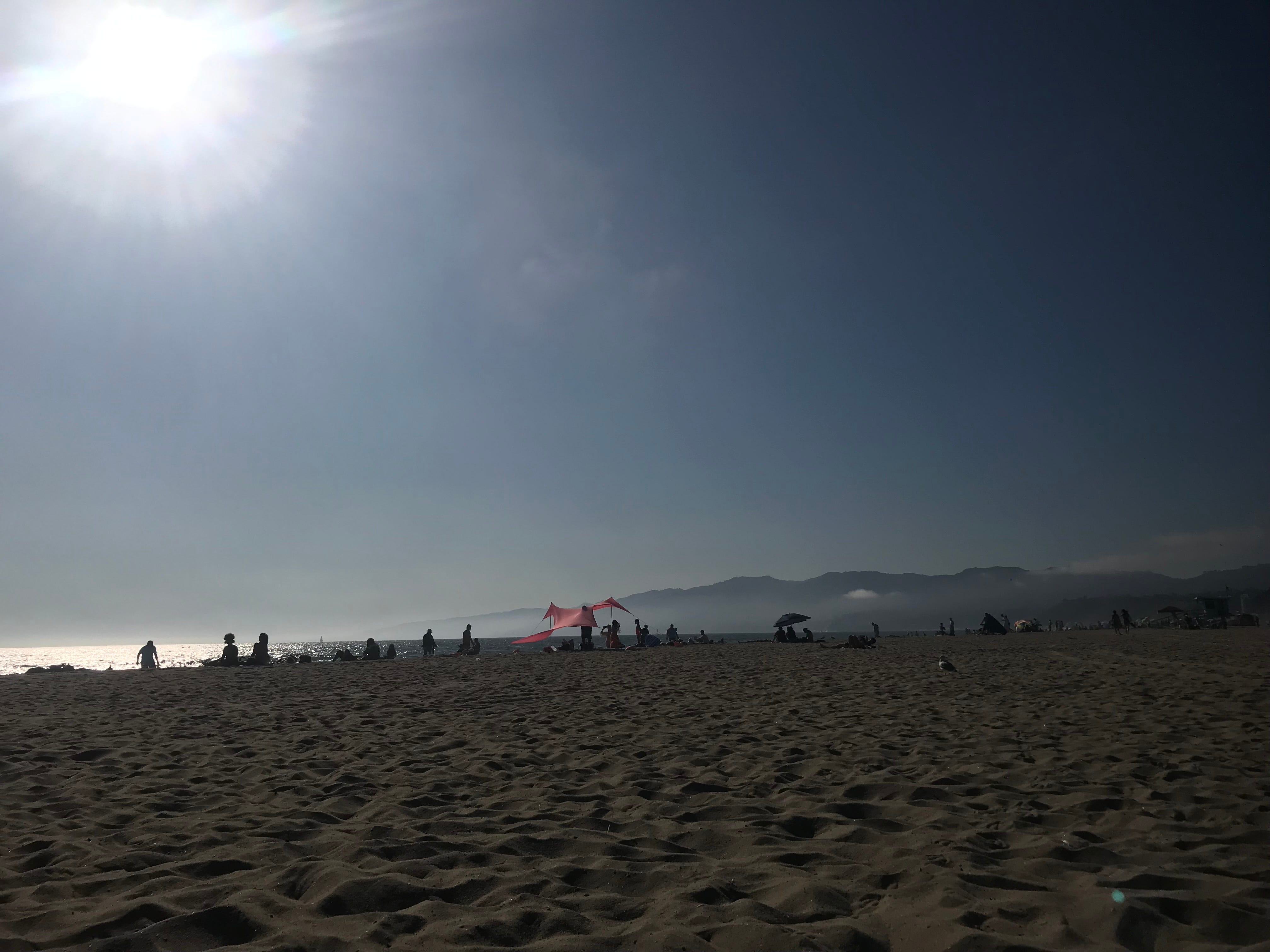
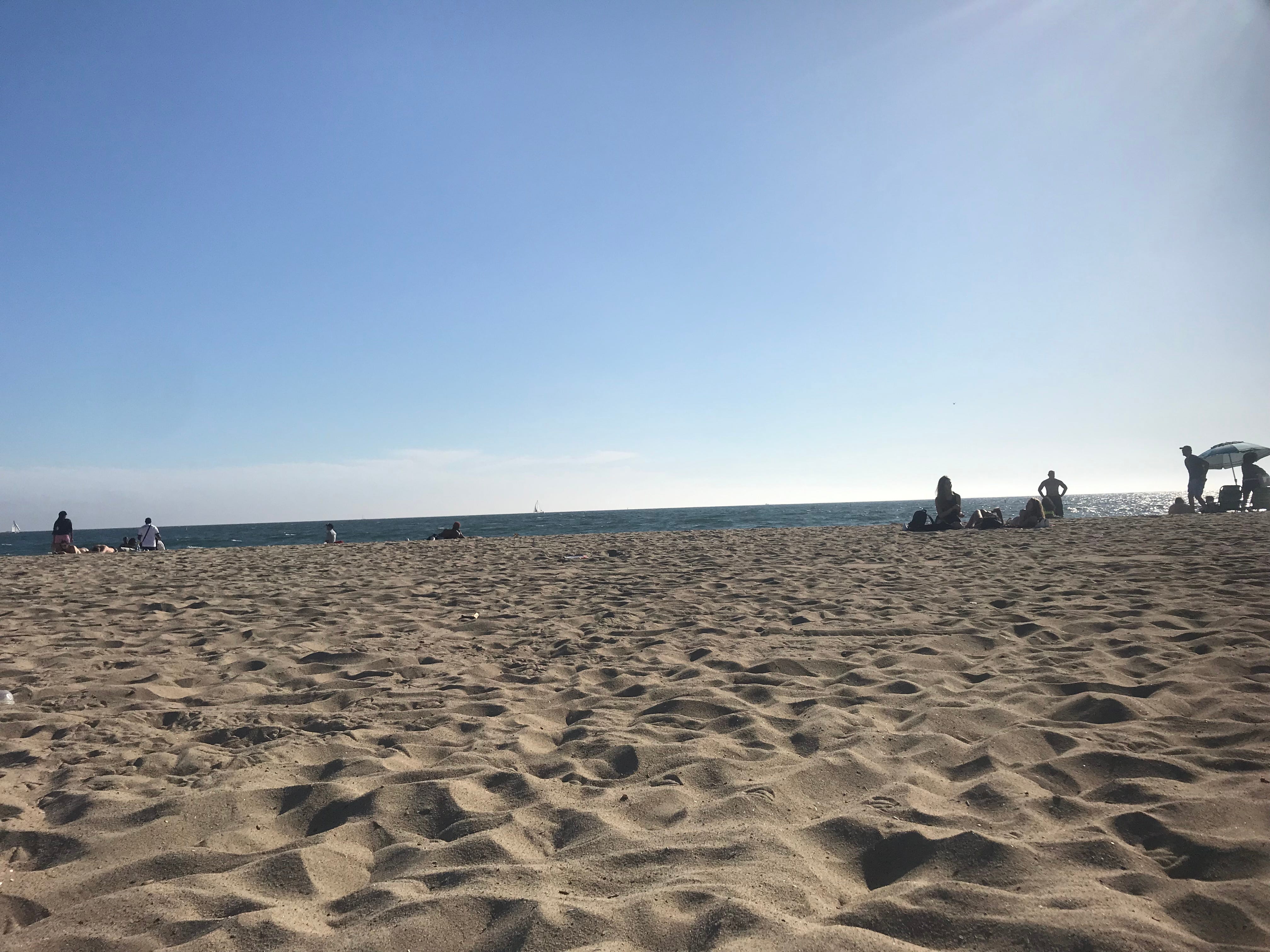
I've spent more time on my roof lately. At dusk it's easy to mistake the sky for ocean.
I learn from Melissa in our conversation that Pamela Colman Smith spent time at the sea, and from this I imagine the impression the water made on her body. I imagine what fantastical encounters she had with the world around her, with sea creatures, with her own psyche.
The story of the restoration of Smith's legacy and the public imagination feels healing.
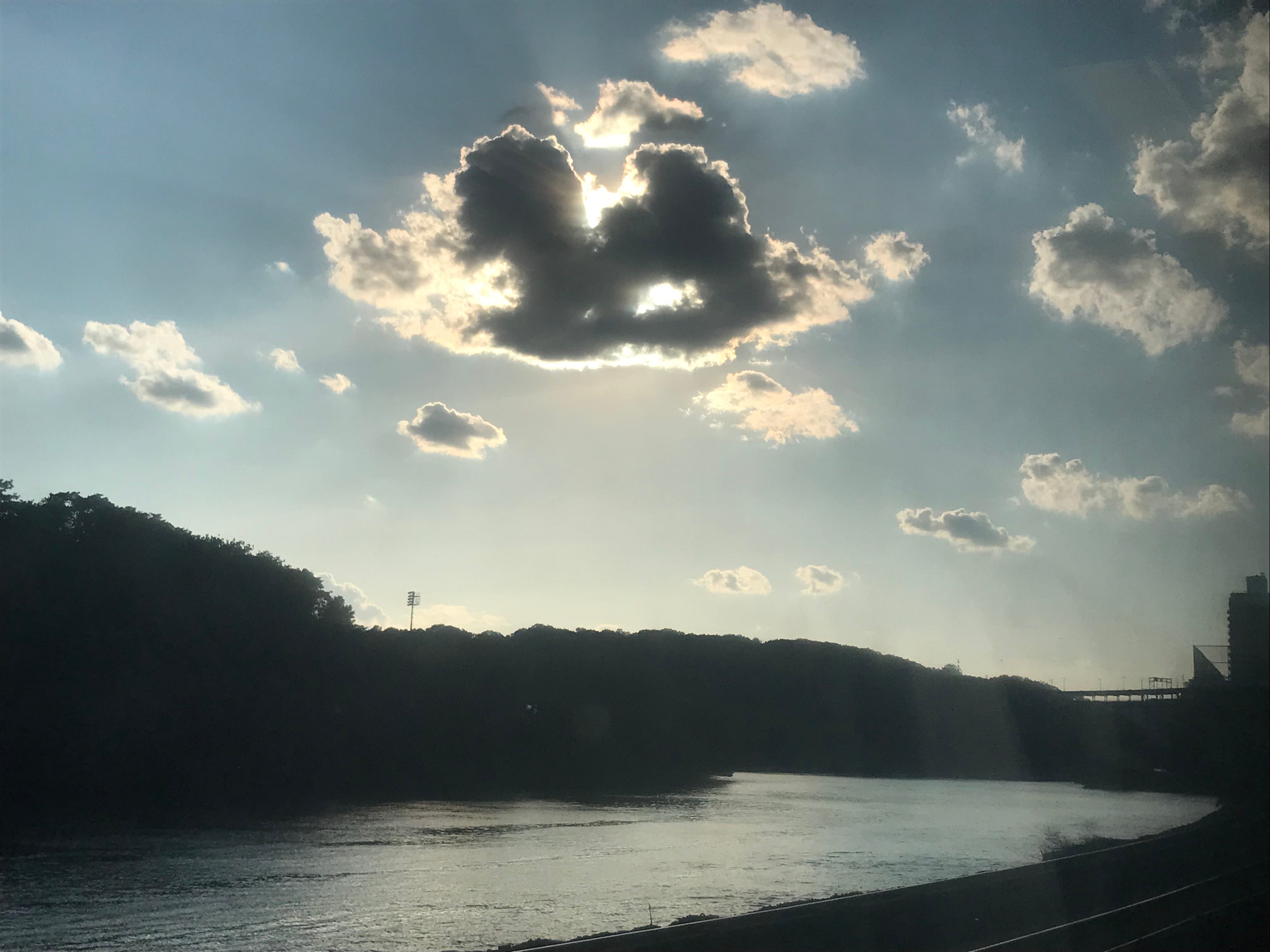
It allows me to remember that the unexpected, unimaginable does manifest. And, if you're ready, you can share a piece of it.
Listen to the full episode of "Tarot animals and oceanic feelings with Melissa Staiger" here!
READING LIST: TAROT HISTORY
Want more information on the history of tarot? Try Seventy Eight Degrees of Wisdom by Rachel Pollack or Michelle Tea's Modern Tarot.