

imagining new lives for racehorses with CJ Wilson + end of season one!


ESSAY EIGHTEEN: "WAYS OF SPEAKING"
Today, we must go.
AFTERTHOUGHTS
My final year of college, I made what felt to be a very dramatic change. I quit my job writing for an environmental nonprofit in downtown Ann Arbor where I'd worked for the past few years. We'd done work I was proud of: creating training materials for health professionals to advocate for ecological changes in their workplaces, authored petitions to convince governors and congresspeople not to do things like pollute the Great Lakes or expose low-income families to lead paint, and wrote scripts for climate crisis awareness videos. But I finally admitted to myself that I was burnt out, and what I wanted to do with my writing talents was beyond motivating people to a specific, measurable aim. I wanted to create, just to...create. To feature all kinds of characters in my work and let complex narratives unfold.
So, I started working for a small lending library in the English department where visiting writers came to speak weekly and my main task was filing manuscripts and arranging an exciting range of cookies on a silver tray for receptions. Big ideas entered the room daily, examined through the lens of poetry and prose, no longer by how many signatures could be garnered in response.
But one of the most special experiences I had working for the space during my final year as an undergraduate was the mentorship I cultivated with the woman who'd worked there for decades. She insisted on taking me and my best friend at school, a fellow writer who often visited me during my shifts, and the other young woman who shared the role with me, to lunches. They were the best. During one of these lunches at an old tavern, she shared with us a story about her horse.
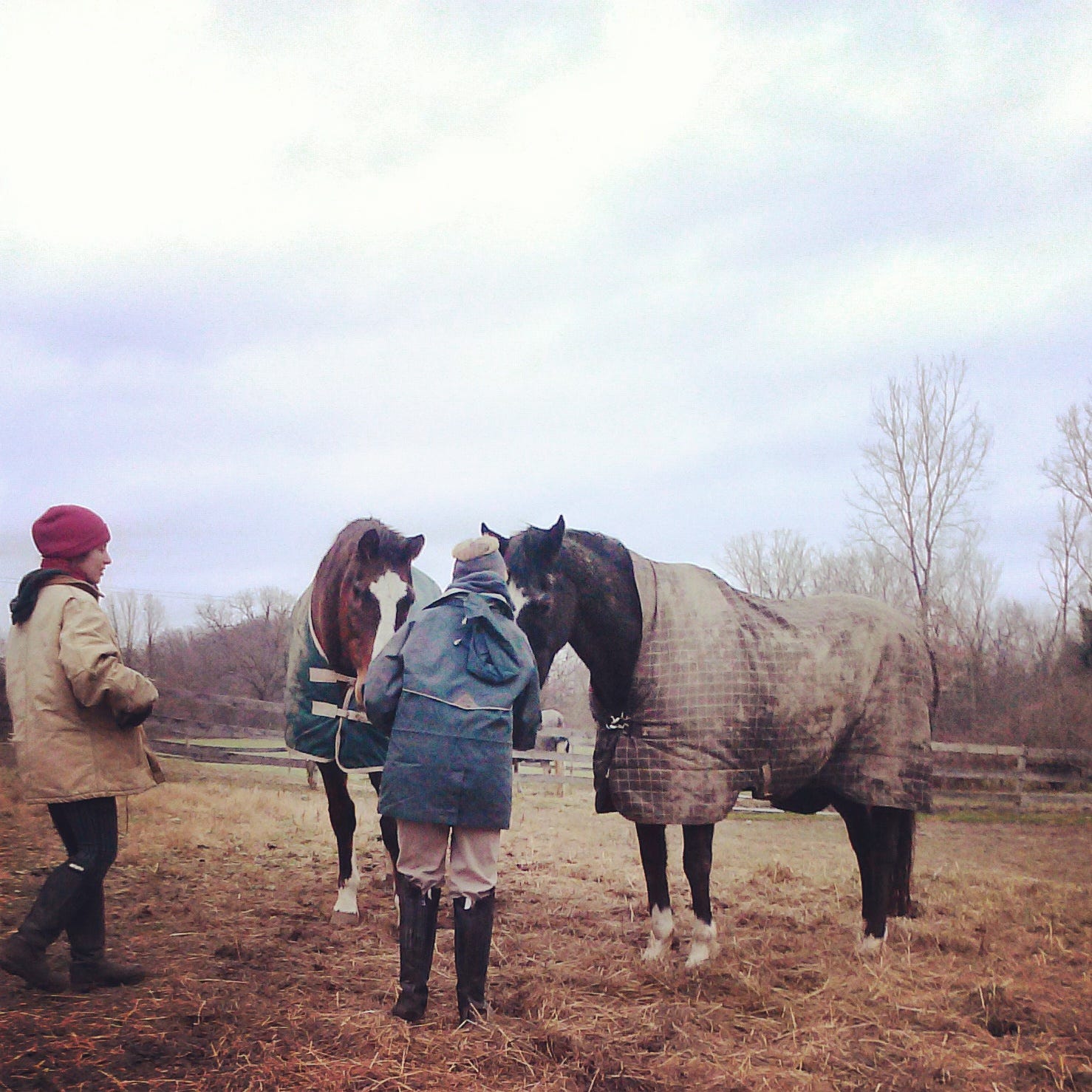
photo taken in Dexter, Michigan between 2014-15
She'd ridden him for years, but lately as they both aged it was less regular. The story wasn't about their connection, but a connection formed between him and fellow resident at the barn about 30 minutes away where they lived. This horse had lost his eyesight and was often not tolerated by other horses. But her horse...well, they'd become best friends. They waited for each other, they sensed each other, and her seeing horse helped the blind horse move about the stable and property safely. We were lucky enough to get to meet these horses and see their special bond the following week.
When I learned of CJ Wilson's work as the Founder/Lead Trainer at Win Place Home, a transitionary home for former racehorses, I began to think back on how animals with disabilities or bodies that don't fit into the "purpose" humans have assigned them are often discarded, or receive less than kind training that comes from a frustration that they aren't "normal." My level of understanding of racehorses is limited to Seabiscuit, I lived under the assumption that it was still true a racehorse's life ends once they are no longer performers. That CJ sought to intervene in this trend and help re-train these horses to have fulfilling lives in other capacities, becoming adoptable and loved by many, I began to see just how radical her work was. It is a resistance against disposability, a statement of valuing all of the stages of life.
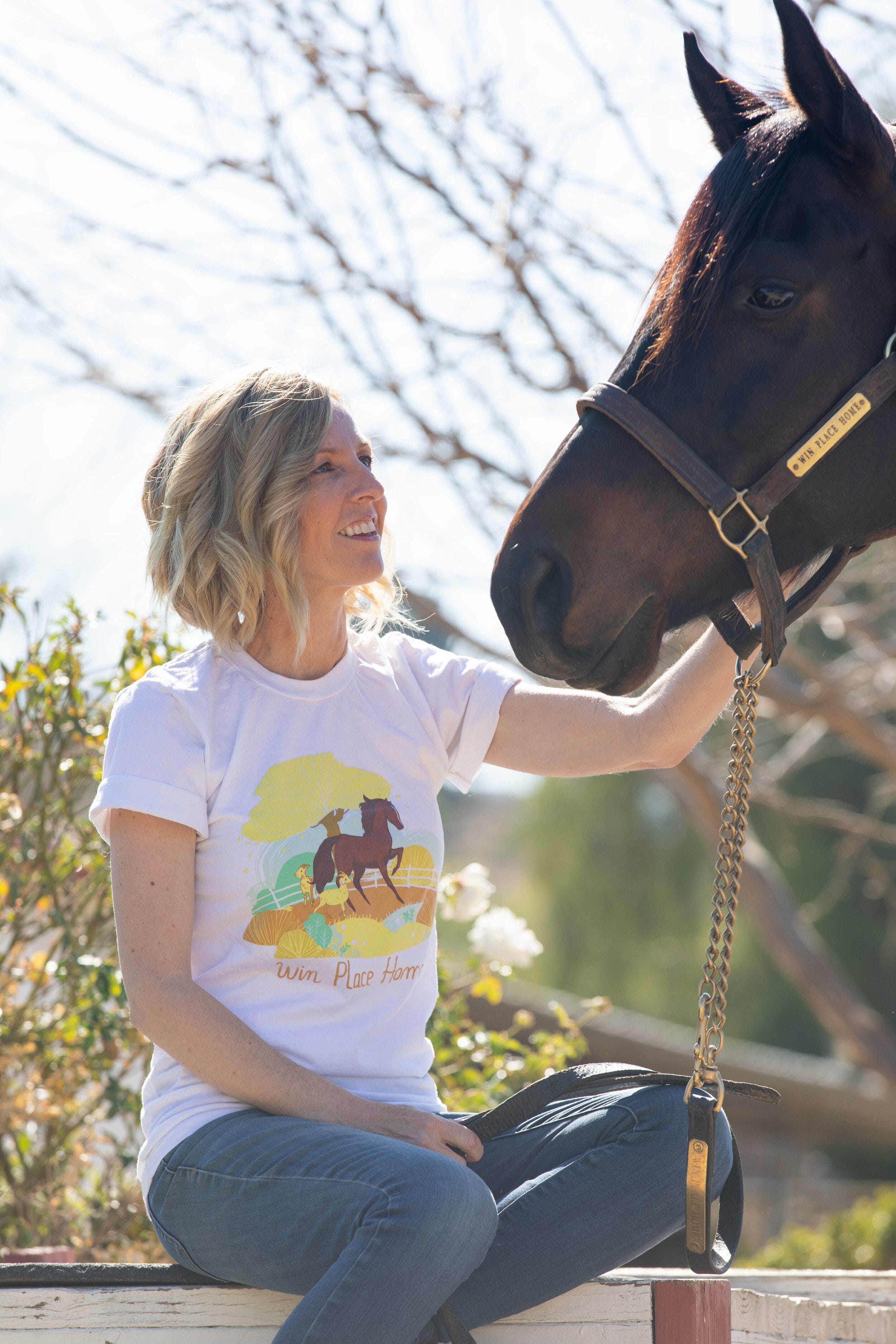
from the Win Place Home website, depicting CJ Wilson and one of her rescues
CJ started riding horses when she was four and grew up riding 3-day eventers. At 17, she was working as an assistant for a saddle seat trainer and eventually for his daughter until she was 26. After learning the intricacies of training, she moved to Northern California to manage a riding stable full of jumpers, dressage, and western horses. Eventually the racetrack called to her, she worked for three years as an assistant trainer in Northern California before returning to Los Angeles. CJ worked another three years as an assistant trainer at Santa Anita, Hollywood Park, and Del Mar before switching focus to being a vet tech at the non-profit equine hospital at Santa Anita Racetrack for two years. She spent another 2 years at the track as a vet assistant.
As the trainer for WPH, CJ brings with her 39 years of experience with horses, 26 years of work experience, and 10 years of experience with thoroughbred racehorses at the track. It is her dedication and true love for these animals that she works each day to ensure their future is bright. As the final episode of Season One of the podcast, I'm grateful to end with such a powerful story of hope. Stay tuned in the new year for new conversations with animals...like you :).
"These horses were beautiful," shares CJ. "They had all these talents to give and they were put to pasture at four years old."
Listen to the full episode of "Imagining new lives for racehorses with CJ Wilson" here!
READING LIST: HORSES
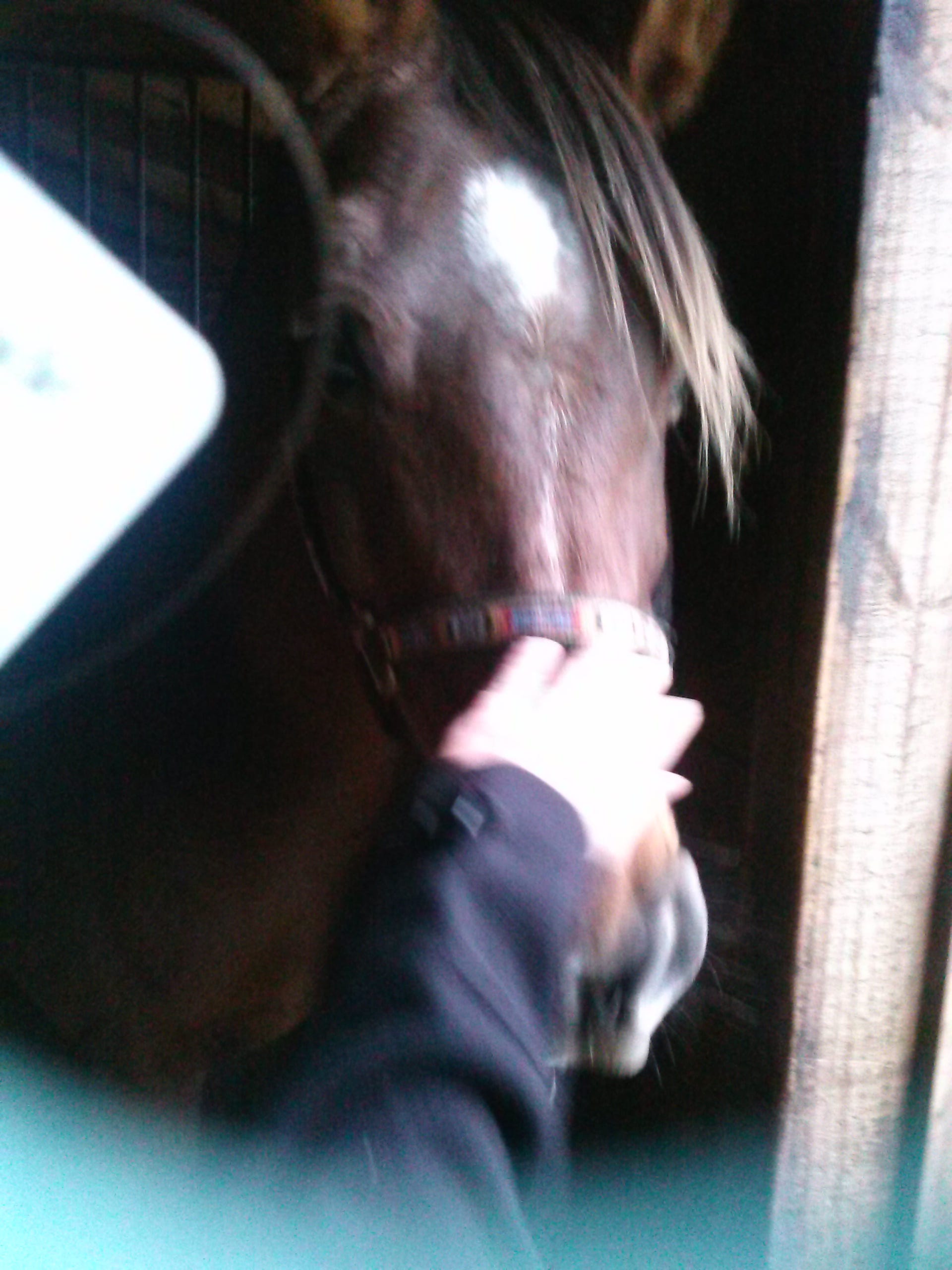
photo taken in Dexter, Michigan between 2014-15
Horse Heaven by Jane Smiley :).