
disconnecting from hierarchical thinking & exploring state-sanctioned animal boundaries + goodbye for the summer! 🌊


LETTER TWENTY-THREE: "TENTACULAR BOUNDARIES"
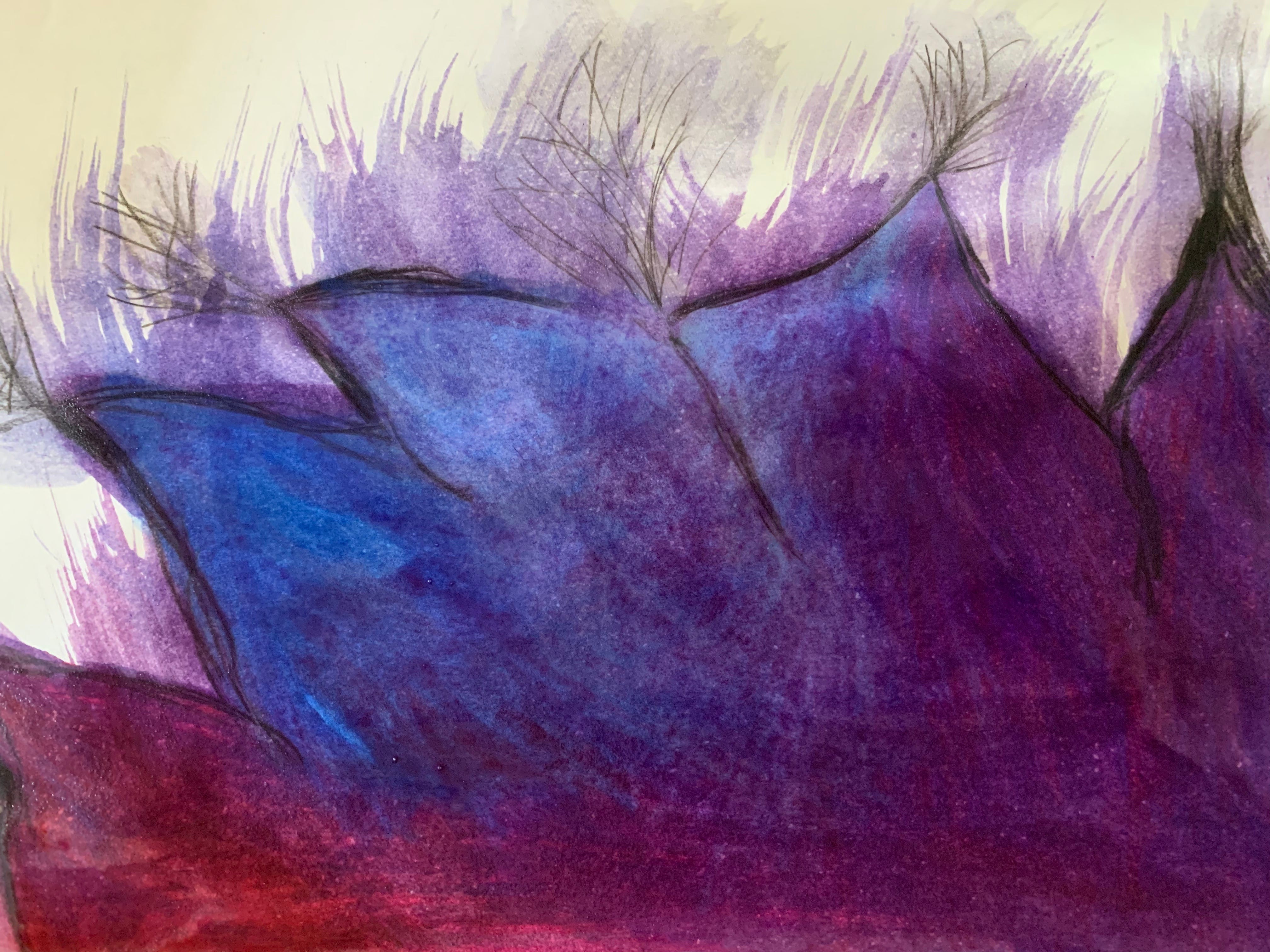
An arm of many, linked to one.
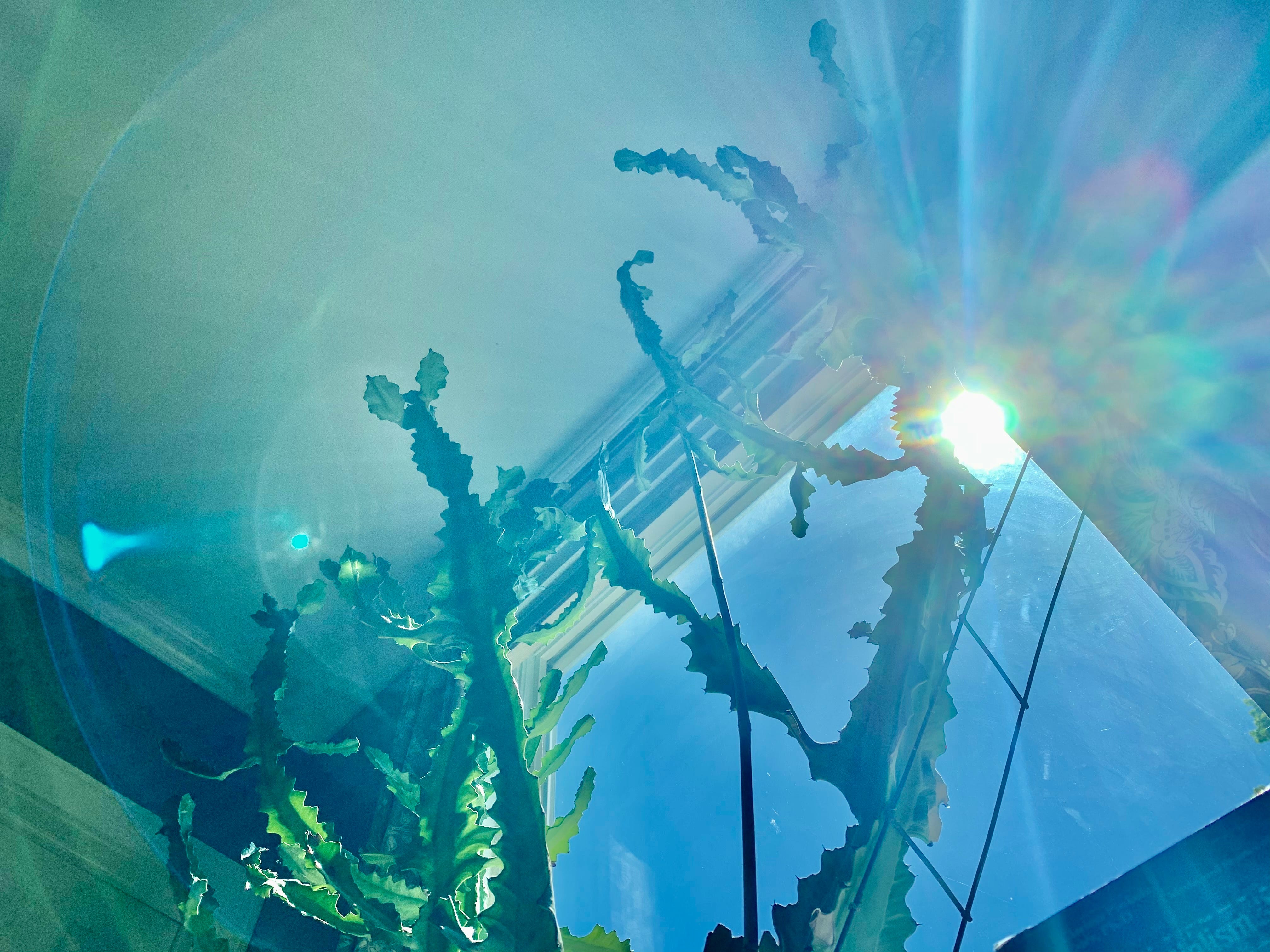
Webbed together, never undone.
AFTERTHOUGHTS
It wouldn't make sense to believe we can speak the same languages as animals; it would be in one way foolish to think there is such a thing as perfect understanding of even our most clear, articulate, precise human counterparts speaking to us in our native tongue. To suggest so seems to evade the mystery, the pull of discovery that moves us forward to create, to grow, to know and unknow.
I am against masters and mastery. As Brionne Janae writes, "give me no seat at the table / let no trembling hands lay food on my plate // let me lord over no one and nothing / not the dog curled up in my bed // not the land nor children who wander / through my care let me learn from the babies // and be always laughing at my ignorance / only humble discovery give me."
Let's look to the octopus for lessons in a future without the need to be above, a creature with no social hierarchy. A creature that challenges our model of intelligence, a species often described as an encounter with alien life here on earth. They move like no other, able to fit into any opening that's larger than their eye. They sense with their arms as they move.
Podcast Guest Laura Lee Cascada on the octopus:
"...those eight, self-regenerating arms lined with a collective 2,240 suction cups, which help them not only sense their environments, but climb any surface; use tools (like those who hide themselves tightly inside shells like armor, not just in response to danger, but in preparation for future danger); and even ride on a befuddled shark’s back to escape hungry jaws. But that’s just the tip of the iceberg. These cephalopods have also been documented opening and closing jars, squeezing through the tiniest cracks to climb a flight of stairs culminating in the kitchen, retrieving lobsters from nearby tanks, changing colors while dreaming in a state similar to REM sleep in humans, and recognizing and holding grudges against a specific researcher (evidenced by their repeated spraying of water at said researcher)."
Those who believe they are on top, have the fix, the answer--that is the root of hierarchy. This same hierarchical thinking is what leads to our domination of and separation from animals--it's what leads us to separate from our true selves and into pride, competition, and worship. It takes us away from the true abundance of being able to listen to the earth, to follow the pull of our own movements and intuition.
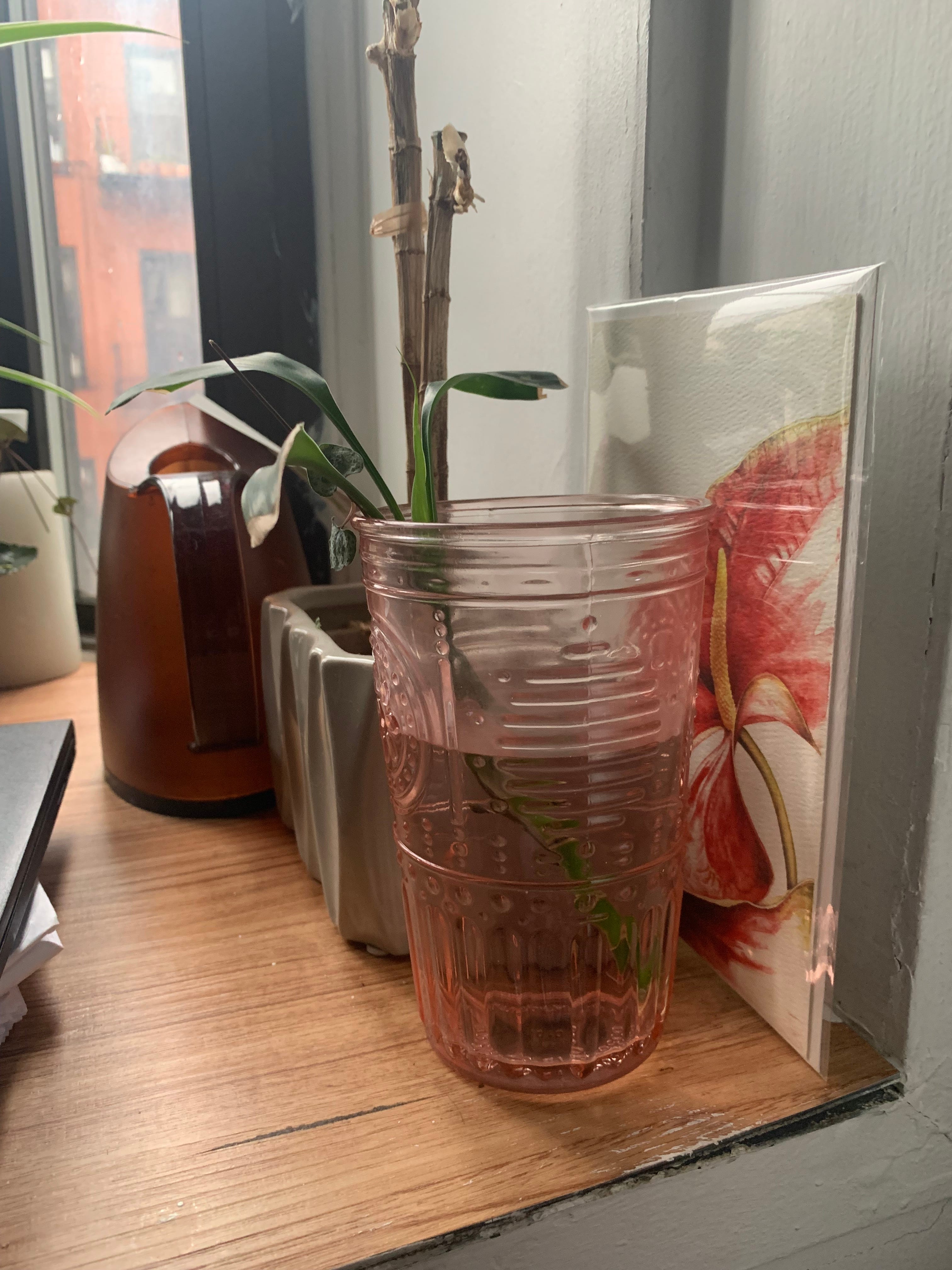
This special issue, and the last until the fall, brings a bonus podcast release, each dealing with what it means to be an advocate for animals and to disrupt systems of power and hierarchical thinking wherever they bubble up, even within ourselves.
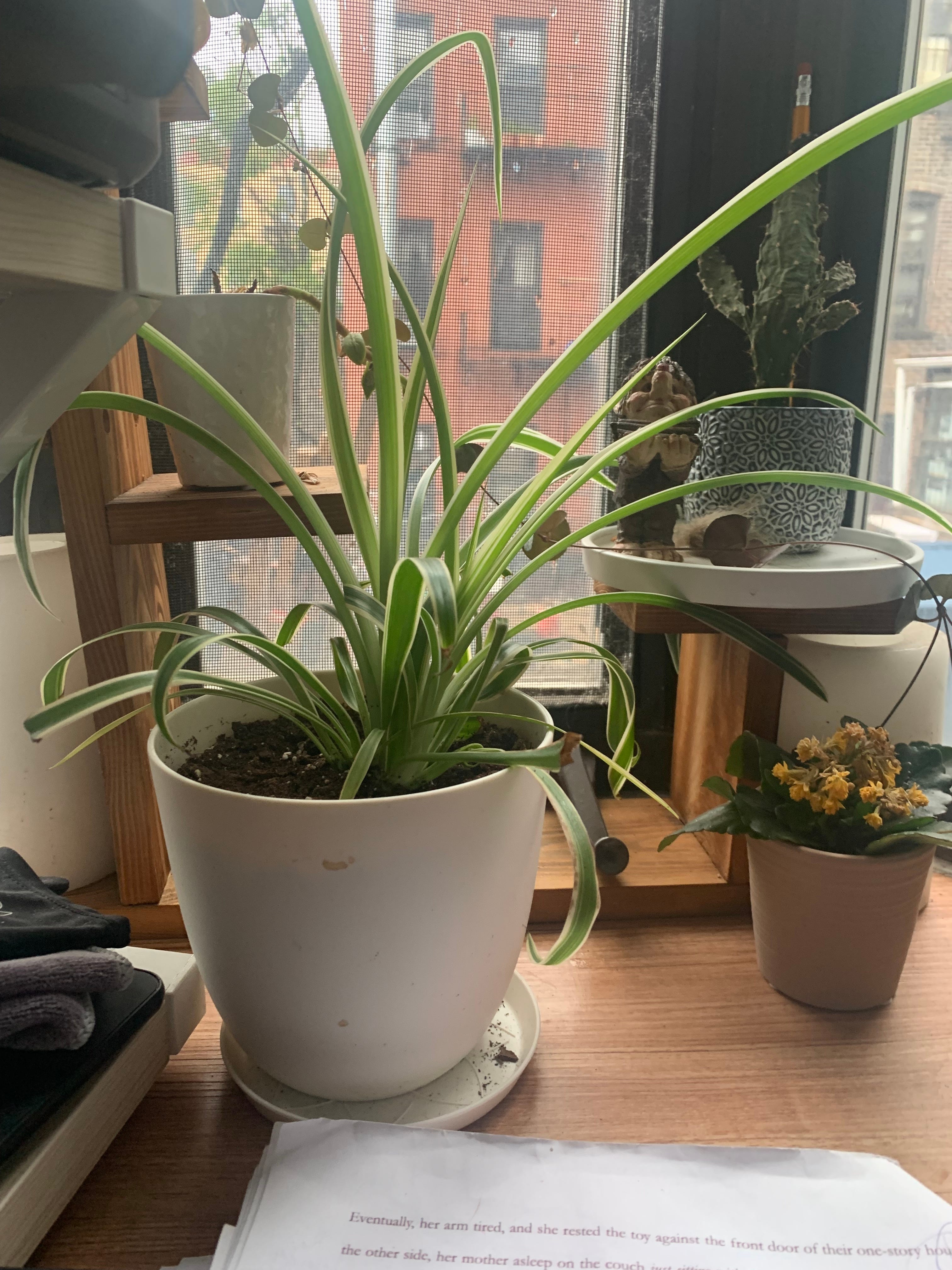
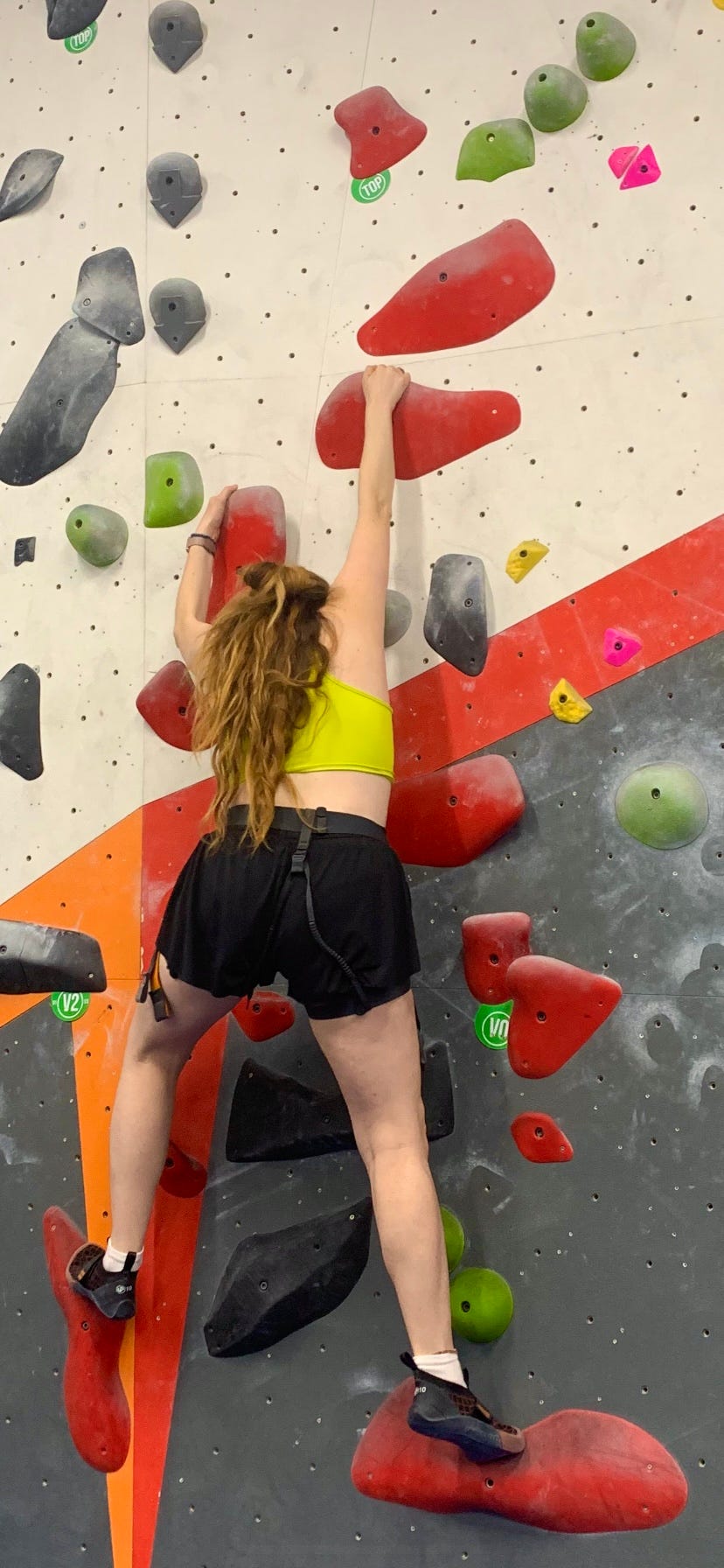
In an unexpected chance to defamiliarize myself, I accepted an offer from a friend to be a guest at her rock-climbing gym. Not only did I require new appendages to climb up the wall (rented shoes and a harness), but I was given shapes and forms to grip and propel from that felt unlikely for the limits of my hand, a world imagined from a different set of skill and knowing.
In Tentacular Thinking, Haraway writes: "It matters what thoughts think thoughts. It matters what knowledges know knowledges. It matters what relations relate relations. It matters what worlds world worlds. It matters what stories tell stories." What new discovery awaits us when we release what we know and move into the unknown? An outcome not yet imaginable to our current selves?
In Aeon, author David Borkenhagen writes of octopus-time:
"We think about the passage of time through our terrestrial experience of unidirectional motion through space – our metaphors of time are almost all grounded in the way our bodies move forward through the environment. Given this fact, how would an octopus, who can easily see and move in all directions, conceptualise time? Current research methods may be able to take us only part of the way toward an answer, but it’s far enough to consider a radical possibility: if we became more like an octopus, could we free time, metaphorically speaking, from its constraints? Could we experience it as multidimensional, fluid and free?"
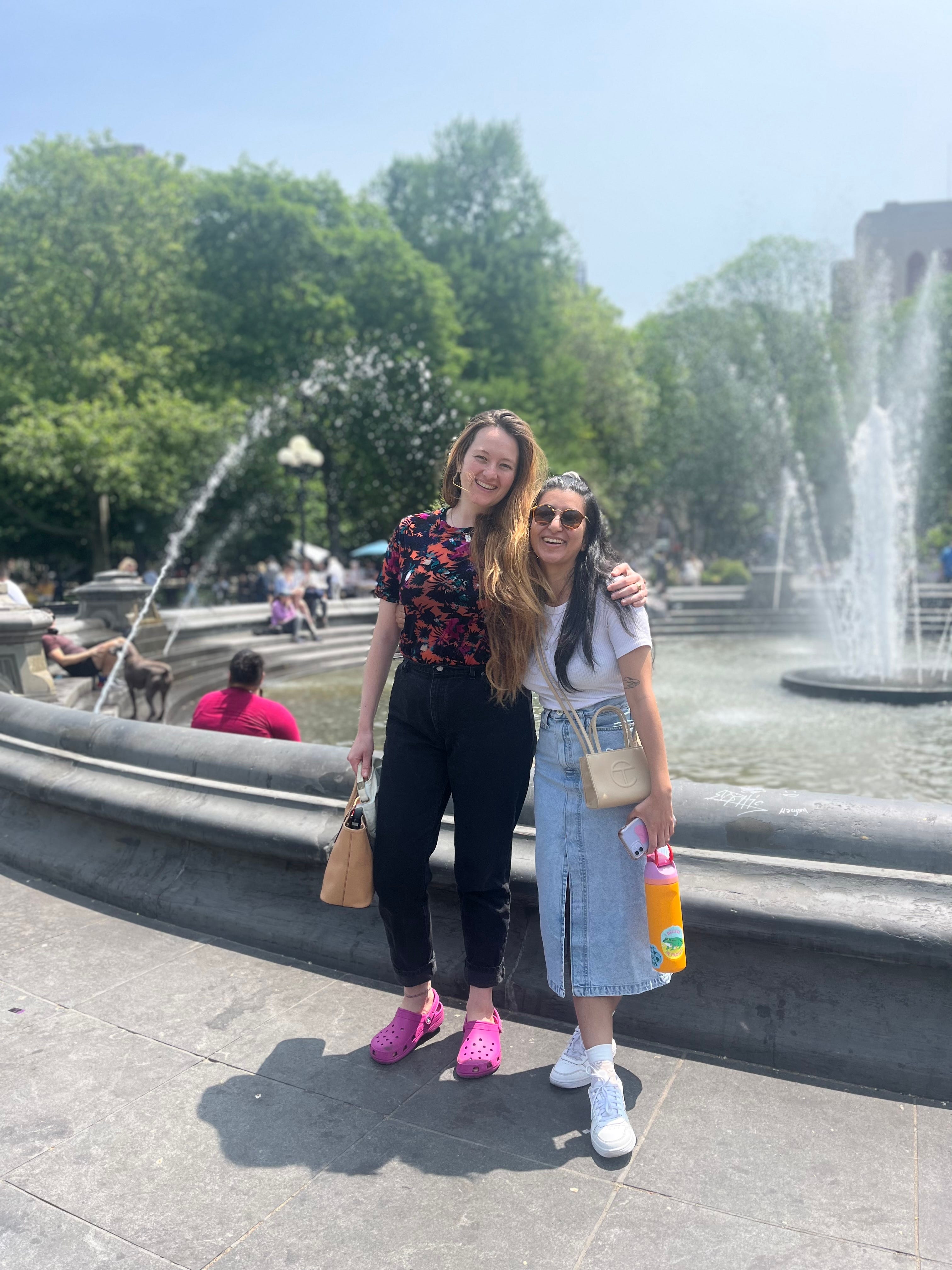
Visiting with friends from different periods of my life is an experience that often makes me consider time most viscerally: who I am now presented with their image of me, my image of them, and the overlaps and distances in those perceptions tied together with the creation of new memories, new points of time.
I was lucky these past two weeks to spend a long morning with my best friend from college, Saba Keramati, before she went off to accept a poetry award and I went off to a rehearsal for a reading. Together, we spent years incubating the dreams that now bloom alongside each other. While I was disappointed I couldn't attend our ceremony, it felt like we were branches emerging from a shared trunk, held together but stretching out to new horizons.
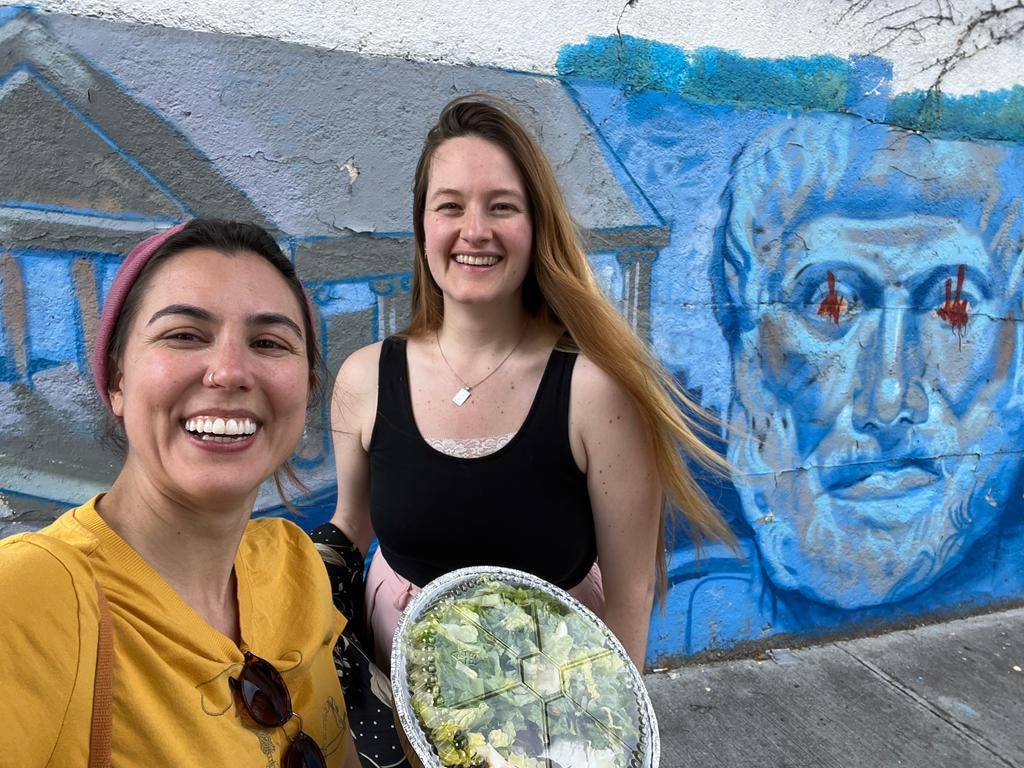
And I've had the luck of having my friend Sara Cordón join the faculty in my department at NYU, another wonderful way of time redoing itself. We spent the day exploring Astoria and murals of the Greek gods.
The story of Medusa is analyzed by Haraway in Tentacular Thinking with a new focus on the meaning within the myth: "And from the blood dripping from Medusa’s severed head came the rocky corals of the western seas, remembered today in the taxonomic names of the Gorgonians, the coral-like sea fans and sea whips, composed in symbioses of tentacular animal cnidarians and photosynthetic algal-like beings called zooanthellae."
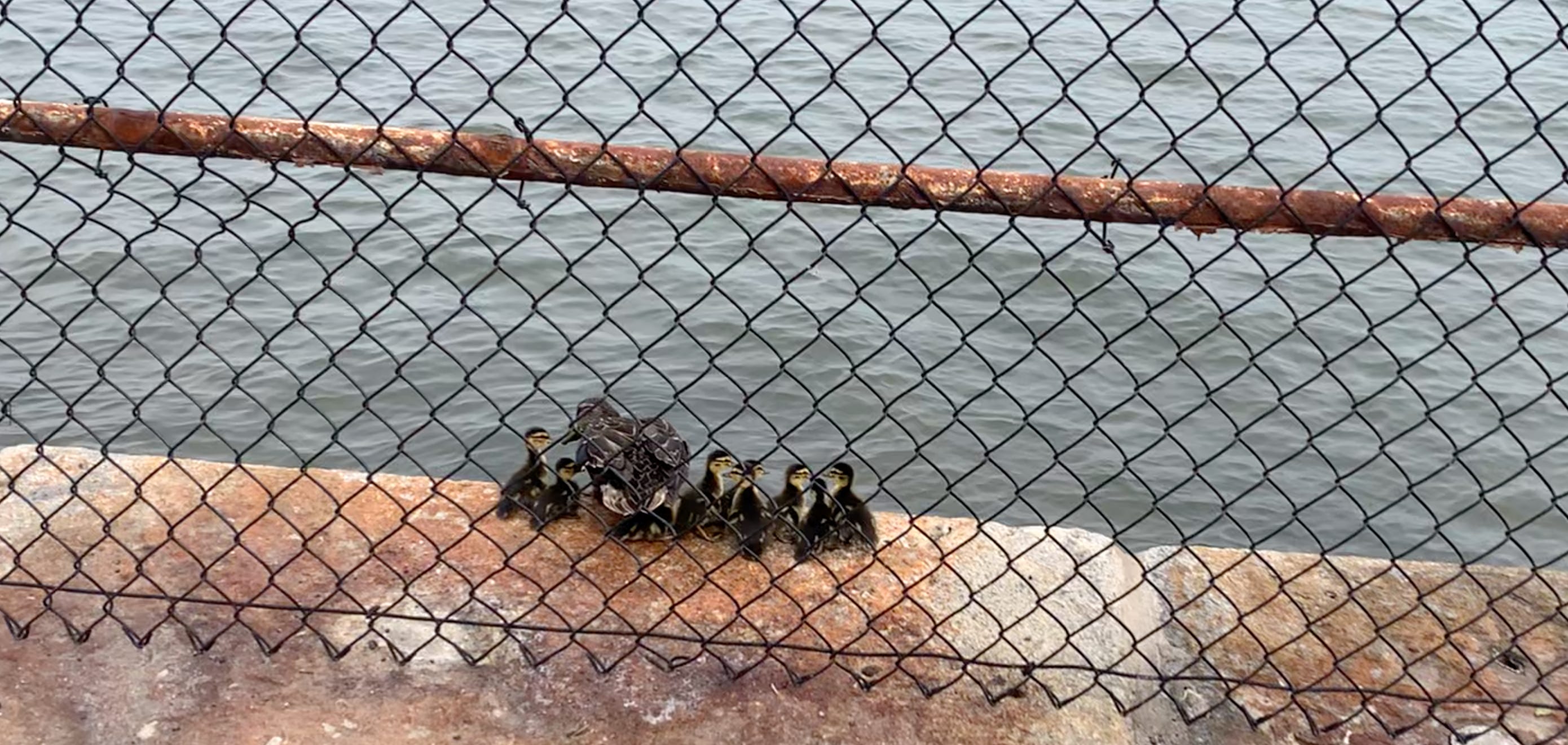
Is mothering then tentactular? Is giving birth?
The home of the species that give way to such considerations is of course one that in our current bodies cannot live in full time, cannot fully explore. As I wrote this letter, NPR released an article on the release of new images of the Titanic. The ship a staple in our cultural memory, a symbol of ego running the show, but the largeness of a dream. They wrote:
Scientists spent six weeks capturing scans of the site, using technology that Magellan says it had been developing over the course of five years.
The expedition deployed two submersibles, named Romeo and Juliet, some 2.3 miles below the surface to map every millimeter of the wreck site.
They didn't go inside the ship, let alone touch the site, in accordance with existing regulations, and paid their respects to the more than 1,500 victims with a flower laying ceremony.
And they describe the mission as a challenge, with the team fighting bad weather and technical challenges in the middle of the Atlantic.
The inhabitability of the ocean was one of the reasons why talking to Laura Lee Cascada was so fascinating. She has undergone deep sea training and other exercises in order to get as close as we can to knowing what it's like to live as another creature while spending her land-hours advocating on their behalf.
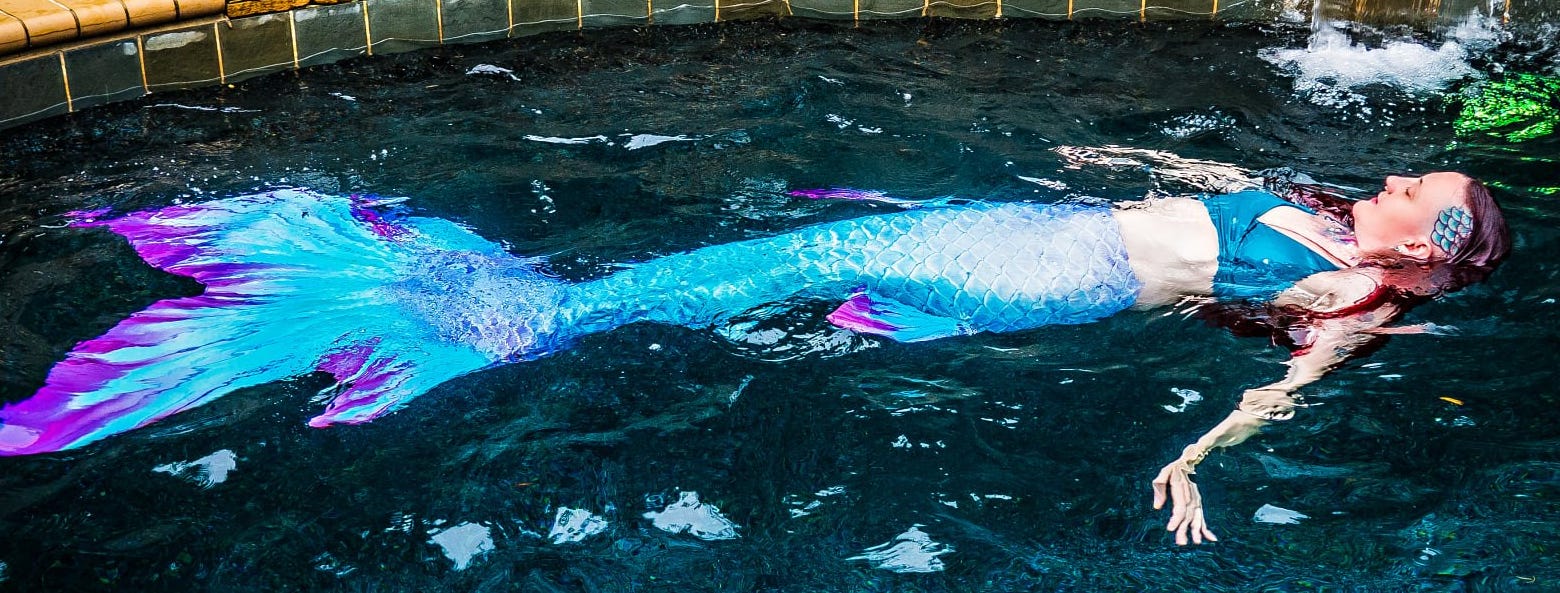
photo from Laura Lee Cascada's website
Laura Lee Cascada is a land-locked mermaid making waves for a just and sustainable world. She is a queer writer, activist, and budding ukulele player living in the mountains of Virginia with her furry, scaly, and oinky family members. For over a decade, Laura has campaigned for a better planet, including in her current role as Campaigns Director at the Better Food Foundation, where she works to reshape food norms around plant-based eating.
Laura earned her master’s degree in environmental policy from the Johns Hopkins University. She is the founder of Plight of the Hermies, a grassroots campaign advocating for wild hermit crab freedom, as well as The Every Animal Project, a collection of true stories and photographs of animals around the globe that is transforming how we relate with other species—with a print anthology set to be published in 2023. She published her debut novel, Dellie’s Run, in 2019, highlighting one being’s remarkable journey to freedom through a big dream: baseball. Laura also helped found and managed PR/marketing for the annual Hampton Roads VegFest for four years and has led social justice campaigns for groups like Northern Shenandoah Valley Unites.
In her downtime, Laura can be found traveling the globe in search of waterfalls; eating copious amounts of avocados; playing the ukulele; balancing rocks; and, of course, transforming into a mermaid. She is a PADI-certified mermaid and freediver, and her favorite place to go mermaiding is her second home, the Big Island of Hawaii. Her Vegan Mermaid Warrior social media accounts, through which she has reached hundreds of thousands of people, host her advocacy videos for sea life, social justice, and her dueling disorders of OCPD and ME/CFS.
As this is the end of Season 2 of the podcast, and I'll be taking a summer break from Drawing Animals, I have the pleasure of including a bonus podcast episode with two Anthrozology students who are organizing an event in honor of the National Animal Rights Day in the UK.
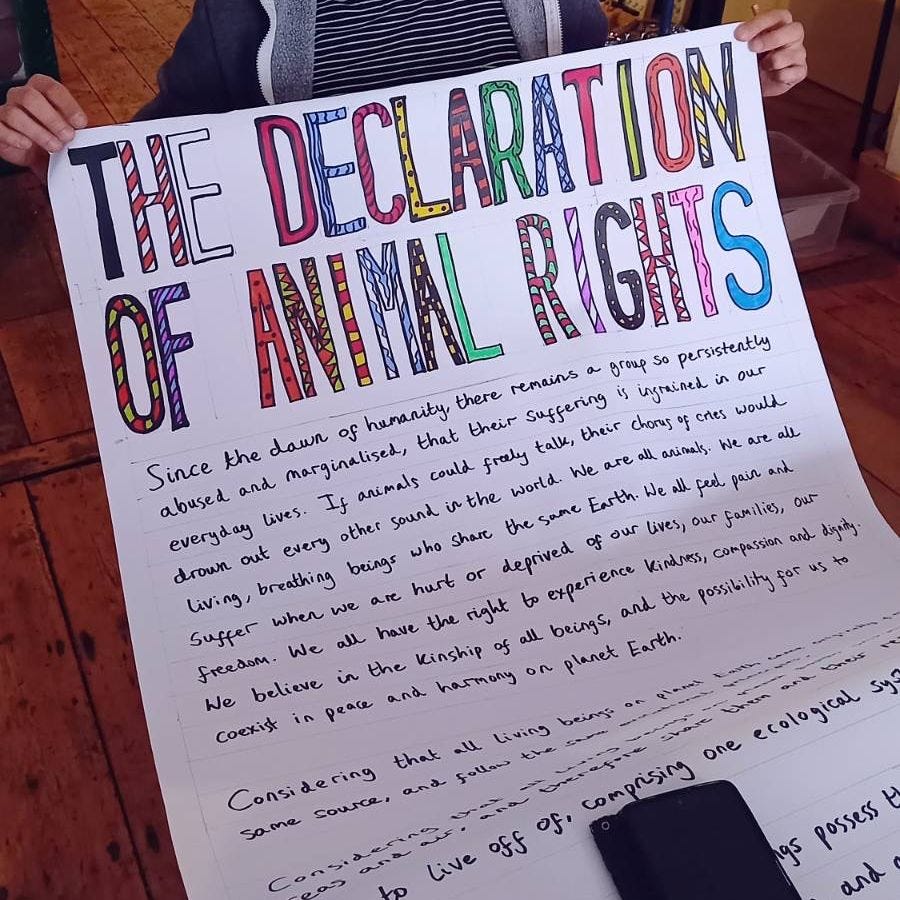
photo from NARD Bristol's website
Natasha Townley is a master's student, currently studying Anthrozoology at the University of Exeter. This course is designed to consider the ways humans and non-humans think about and relate to one another. As part of this course, she has covered varied topics such as compassionate conservation, nonhuman thanatology, nonhuman culture, and animal criminology. Many of her essays have focussed on farming environments, including a literature-based review of suffering in pig-farms and first-hand research into how we might find alternatives to slaughter for ex-dairy cows.
Townley has always had a great love of animals, growing up in a vegetarian household and becoming vegan nearly six years ago. She has since spent several years working in animal rescue shelters as a care assistant, looking after the day-to-day needs of the animals, before deciding to study Anthrozoology with the hope she could help to improve the lives of animals more widely.
Anthrozoology has led Townley to meet many interesting and inspiring people, and she is now helping to organise Bristol's first National Animal Rights Day event with Our Planet. Theirs Too. She is excited to be a part of this and looks forward to seeing where else Anthrozoology might take her.
Natasha Matsaert is a Masters student studying Anthrozoology at the University of Exeter, where she is currently carrying out research on the breastfeeding experiences of ‘mothers against dairy’ and the memorialisation of wildlife road fatalities. She is passionate about drawing attention to ‘ungrievable’ nonhuman lives through an ecofeminist and intersectional lens and communicating her research through (visual) storytelling. As an ethical vegan, her work is situated in the context of scholarly activism. Upon graduating from her masters, she hopes to utilise her skills in research and communication within an animal rights organisation.
Matsaert is currently organising Bristol’s National Animal Rights Day (NARD) event, which is a memorial ceremony for the billions of animals killed at human hands each year. Drawing from her research on ‘roadkill’ memorials, Natasha has been planning a creative writing workshop to story the lives of the animals being remembered at the NARD event. She hopes that this event will make these lives visible as worthy of mourning and thus encourage positive action from viewers.
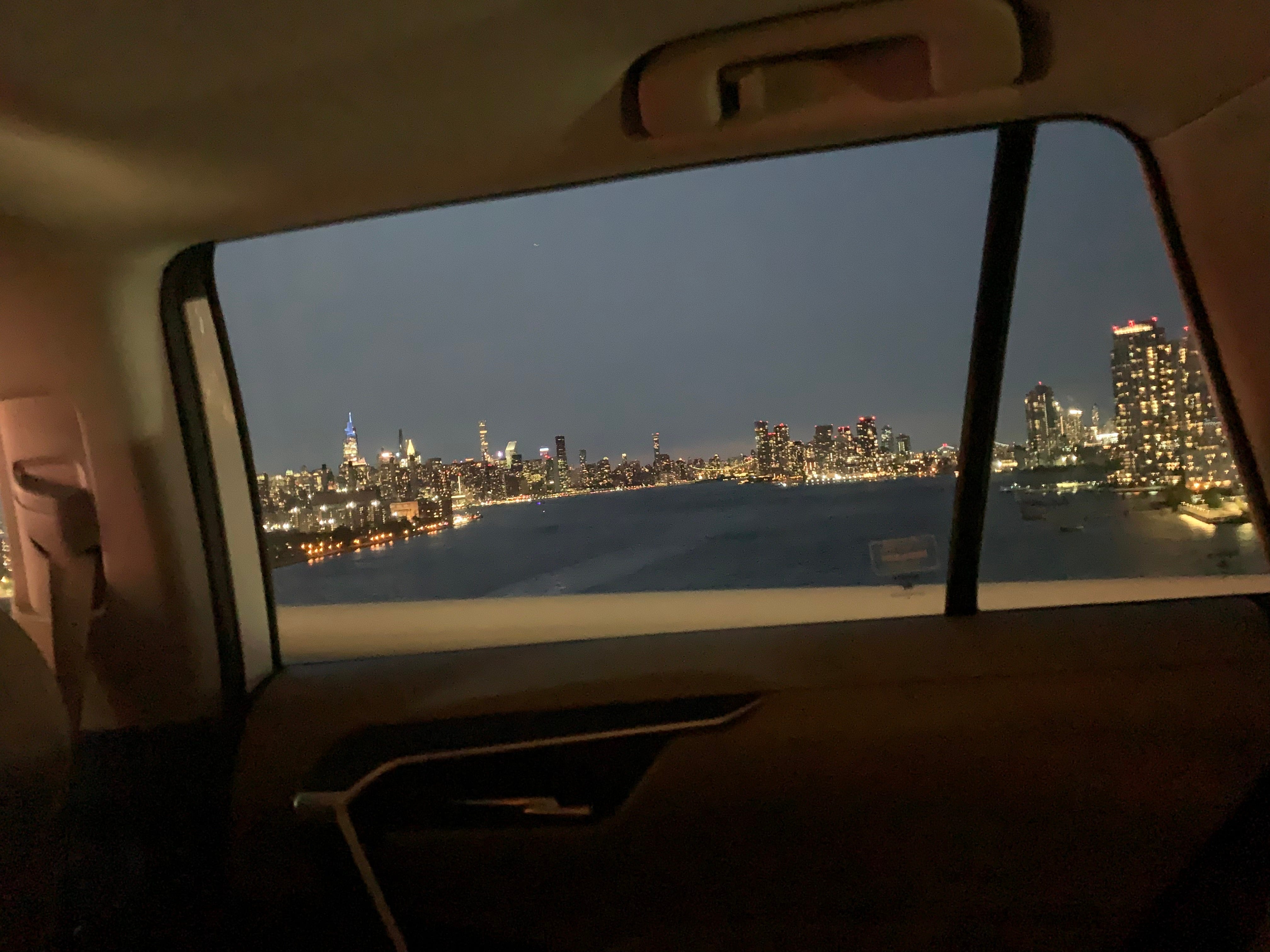
As I say goodbye to NYC for the summer, I can't help but return to the idea of time and what the ocean and its creatures can offer to us in understanding our perceptions of how we move, how we make meaning, how we might imagine a more fluid state. Summer to me feels like an answer to a more expansive imagination--the longer days, the murky sense of possibility. What will stay through the winter? What is a briefer bloom?
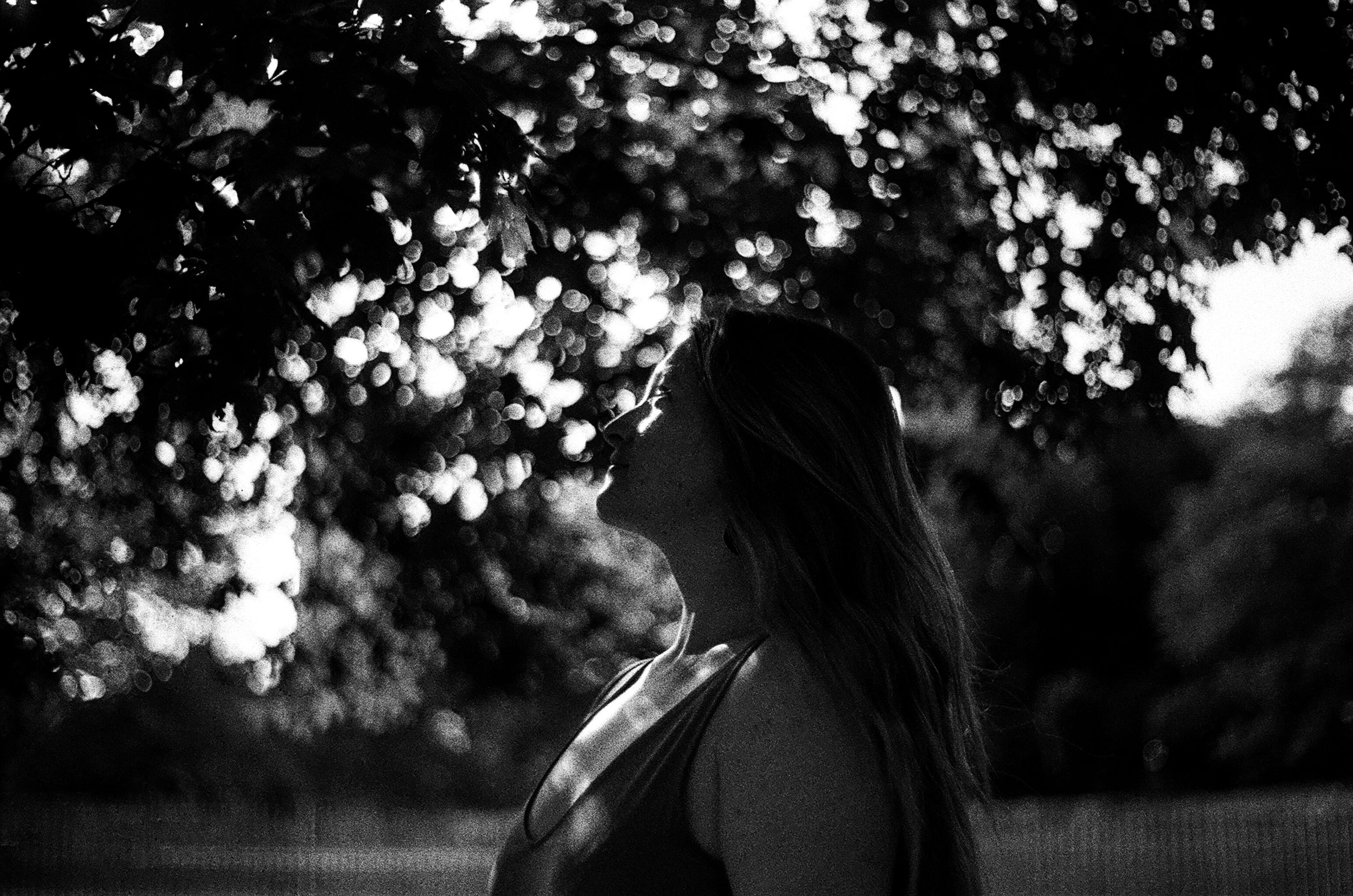
photo by Claire Donato
I've also spent my time in between turning in my final grades for the semester building up my summer playlist. As I thought more about the ocean, I had an urge to return to Lorde's "Oceanic Feeling."
still from "Oceanic Feeling" by Lorde
And it was in that song that I found my words--ones that contain the wisdom of the ocean, the wisdom of the octopus creatures who lurke below, living tentacularly:
Oh, was enlightenment found?
No, but I'm trying, taking it one year at a time
Oh, oh, can you hear the sound?
It's shimmering higher
On the beach, I'm building a pyre
(Use the wood brought in by the tide)
I know you'll show me how, I'll know when it's time to
Take off my robes and step into the choir
READING LIST: CREATURES WHO SHINE
“Why can humans not use their millions of words to simply tell one another what they desire?"
from Shelby Van Pelt's Remarkably Bright Creatures
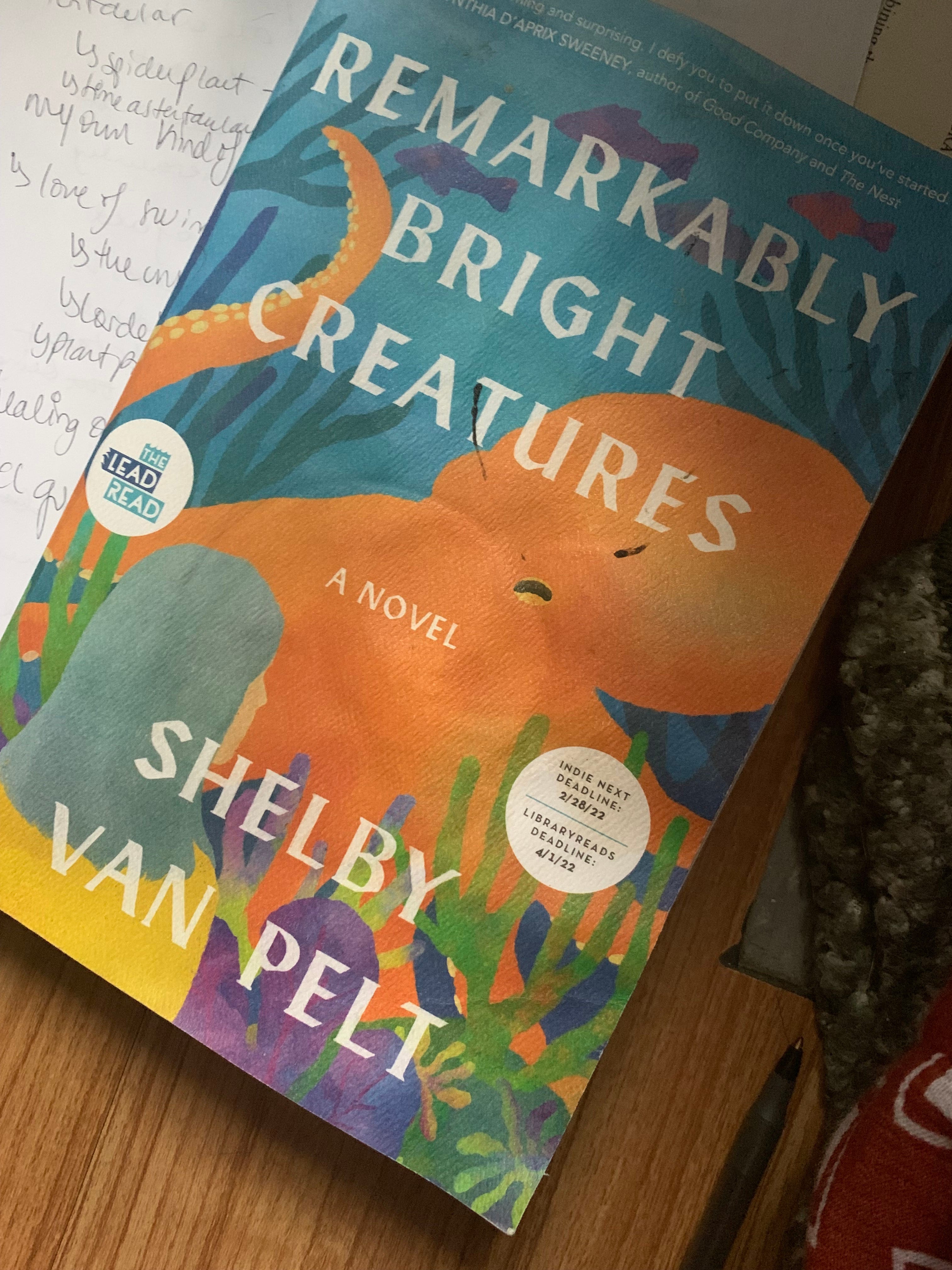
Next on my list, and perfectly themed with this issue's topics, is Remarkably Bright Creatures, "an exploration of friendship, reckoning, and hope, tracing a widow's unlikely connection with a giant Pacific octopus."
NEWS, READINGS, AND PUBLICATIONS
My new short film, Final Curtain Call, qualifies next month for the 2024 Academy Awards with a screening at Lumiere Cinema at the Music Hall. Get your tickets for the limited screening in Los Angeles here. Thank you to everyone who supported this independently made project.
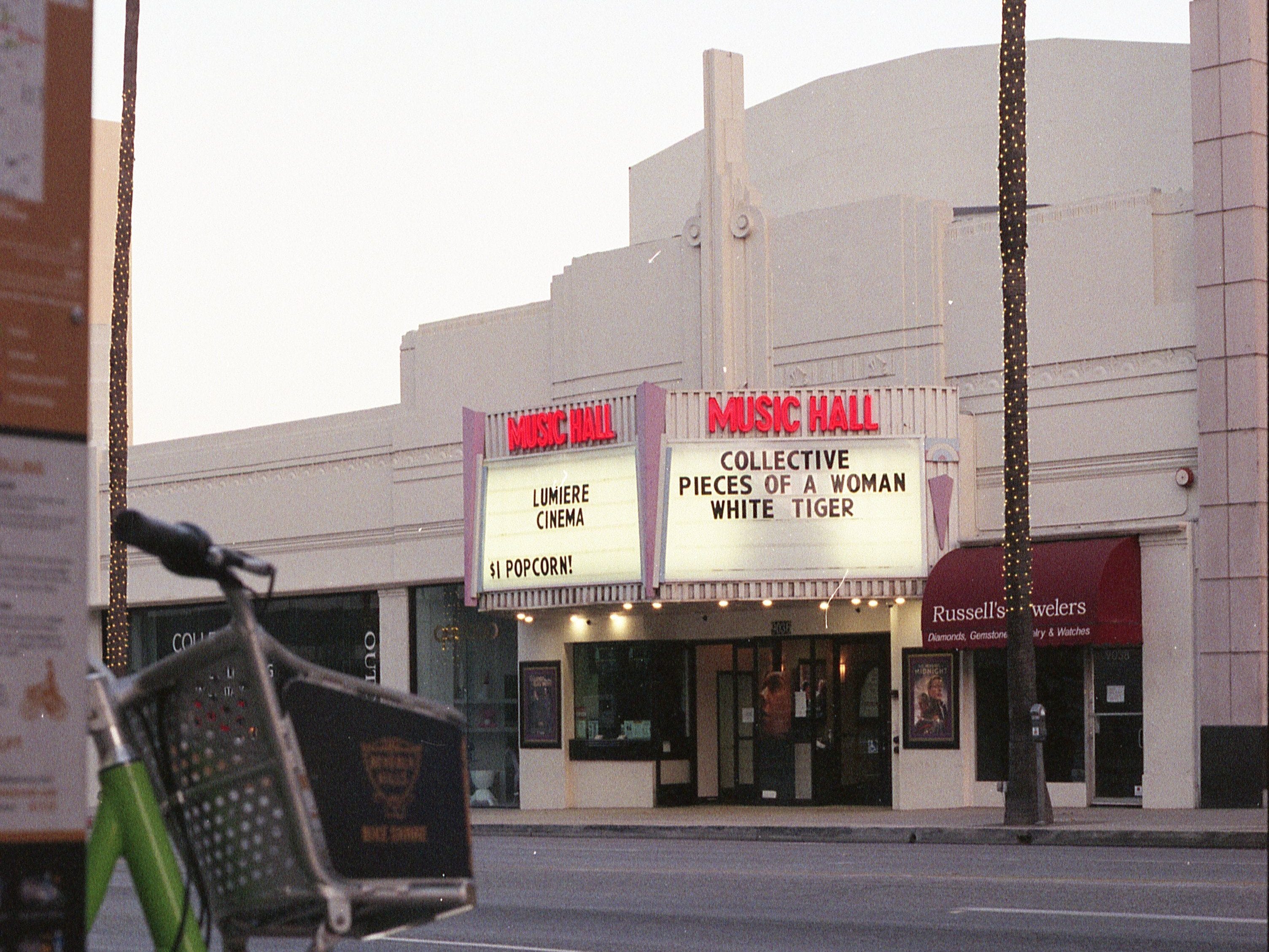
photo by Mike Soto from Lumiere's website
I'm doing two readings in NYC before I leave for the summer. My first poetry reading in person is tomorrow, May 21st, on Governor's Island at 1p as part of Creature Conserve's exhibition (up until November!). Come learn about efforts to rewild NYC & restore our native soils.
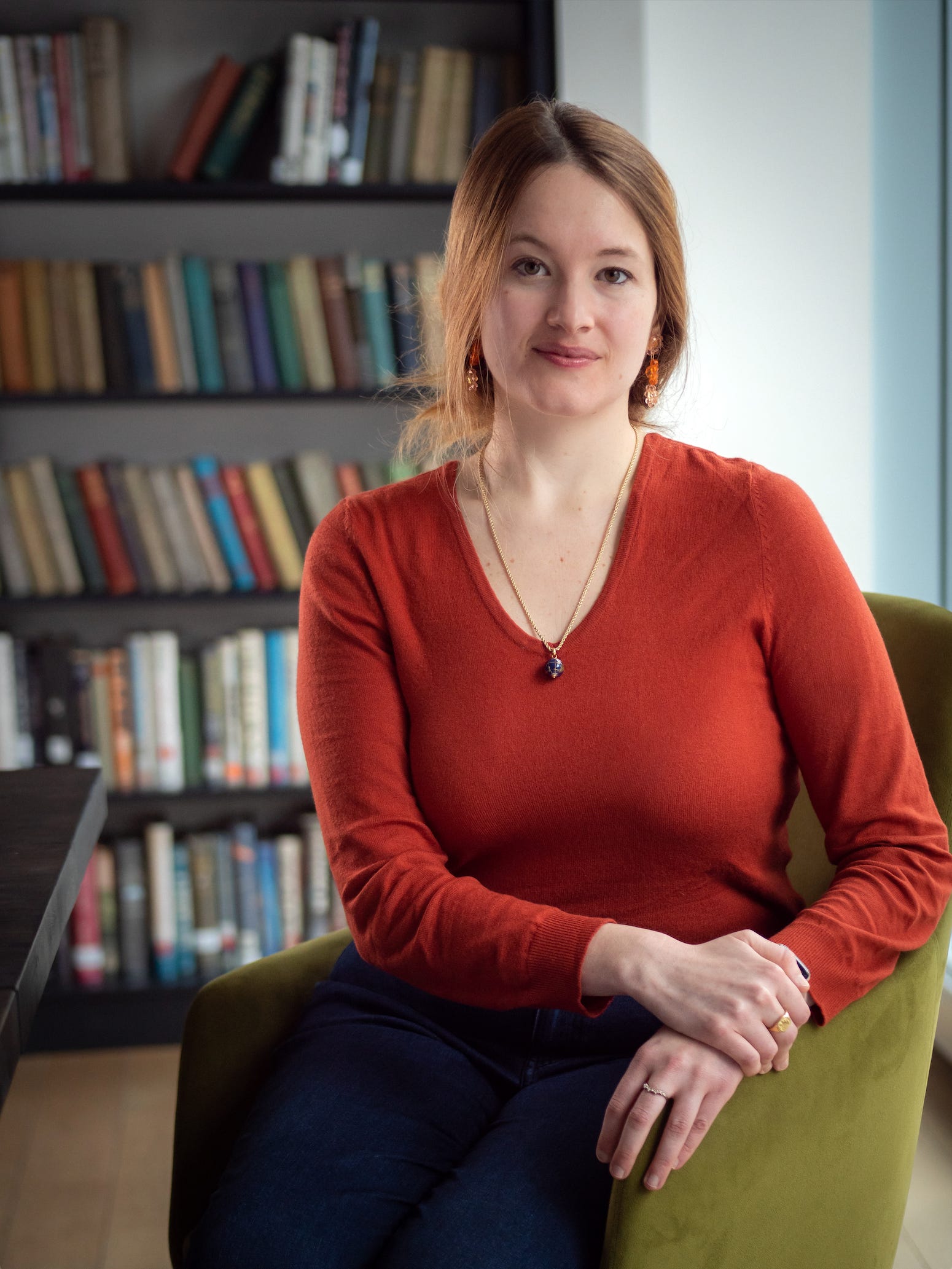
The second is my debut fiction reading at The Center for Fiction as part of my Emerging Writer Fellowship. Hope to see you there, and thank you Roque Nonini for the lovely new author photo! Register here for the reading.
Have a lovely, oceanic summer, and thank you for reading <3.