
come rewild NYC with Creature Conserve & me next weekend! 🌻🏝️


LETTER TWENTY-TWO: "TINY RESILIENT THINGS"
What is on the other side? Where do I end and what becomes my screen?
Will I be lifted?
AFTERTHOUGHTS
I was running late and already checking to see if the ride-share prices had gone to get me to Brooklyn in time to meet my friend at the pier where we'd skate in the free hour at the rink. They hadn't, and so I ran with my dog out of my building where with the hopes that he wouldn't do his usual trick when he sensed I was about to go out: prolong his pee for blocks and blocks. His habit makes me reinterpret my own procrastination in getting ready--perhaps I also didn't want to leave the comfort of my Sunday bed, but the knowing that someone was waiting on me made me move. Get going.
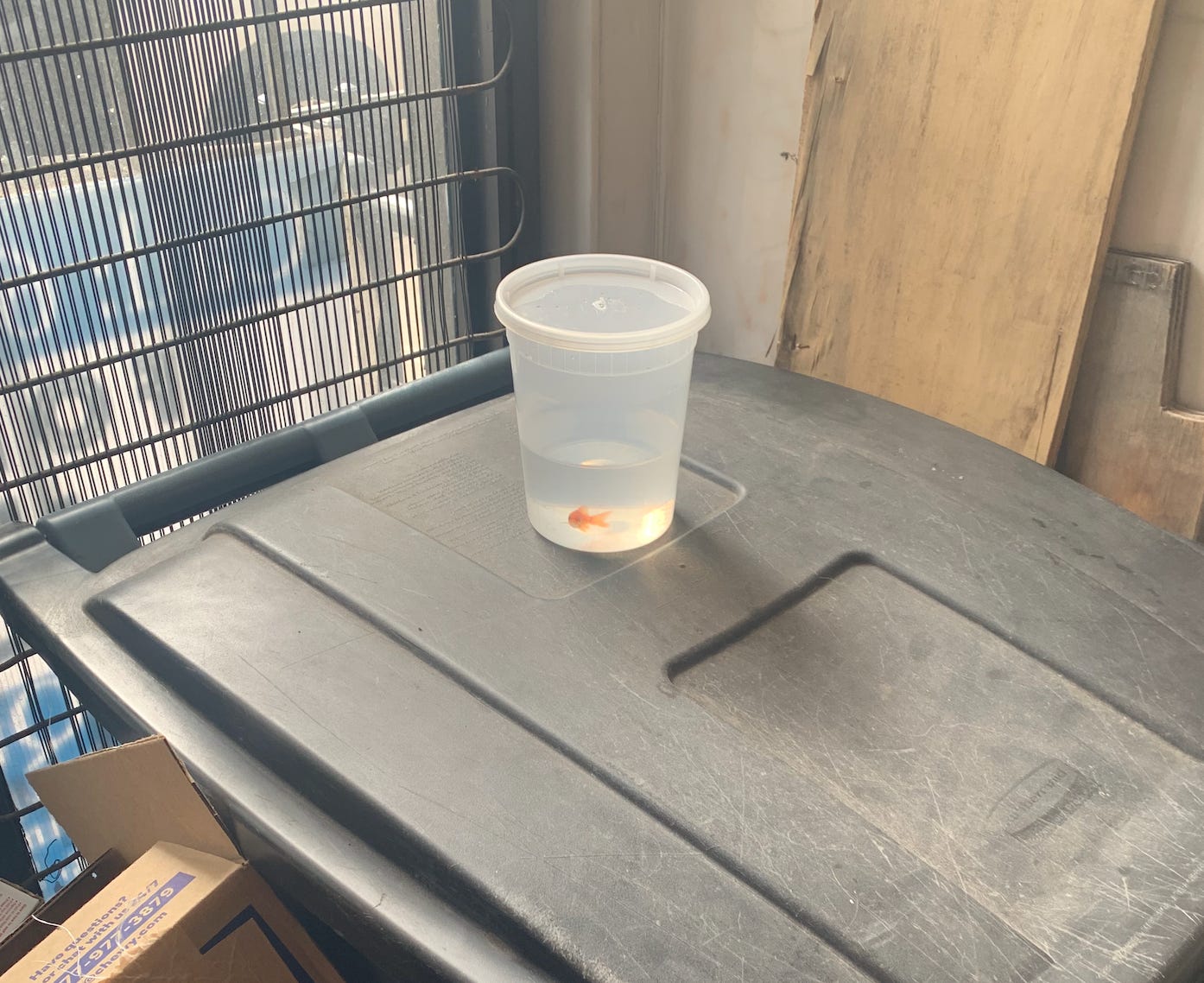
As I made my way out to the street, I noticed something out of place in a trash pile: a moving creature, a tiny fish. He looked right at me, and I wondered if perhaps someone had forgotten their newly adopted pet or were, oddly, waiting for someone to come pick him up and left him there? I tried to rationalize him being in the trash as something other than a disregard for his life. I accepted this first excuse, making him a promise that if he was still there when I got back from my walk, I'd take him upstairs. I made a wish to believe in a person's better nature.
But when I returned from the fifteen minute walk, he was still there, bobbing in the few inches of water allowed by the soup container. I carried him upstairs and set him up, making him another promise: I'll return from skating with fish food. I texted my friend photos of the found fish and promised her, too: I'll be there soon.
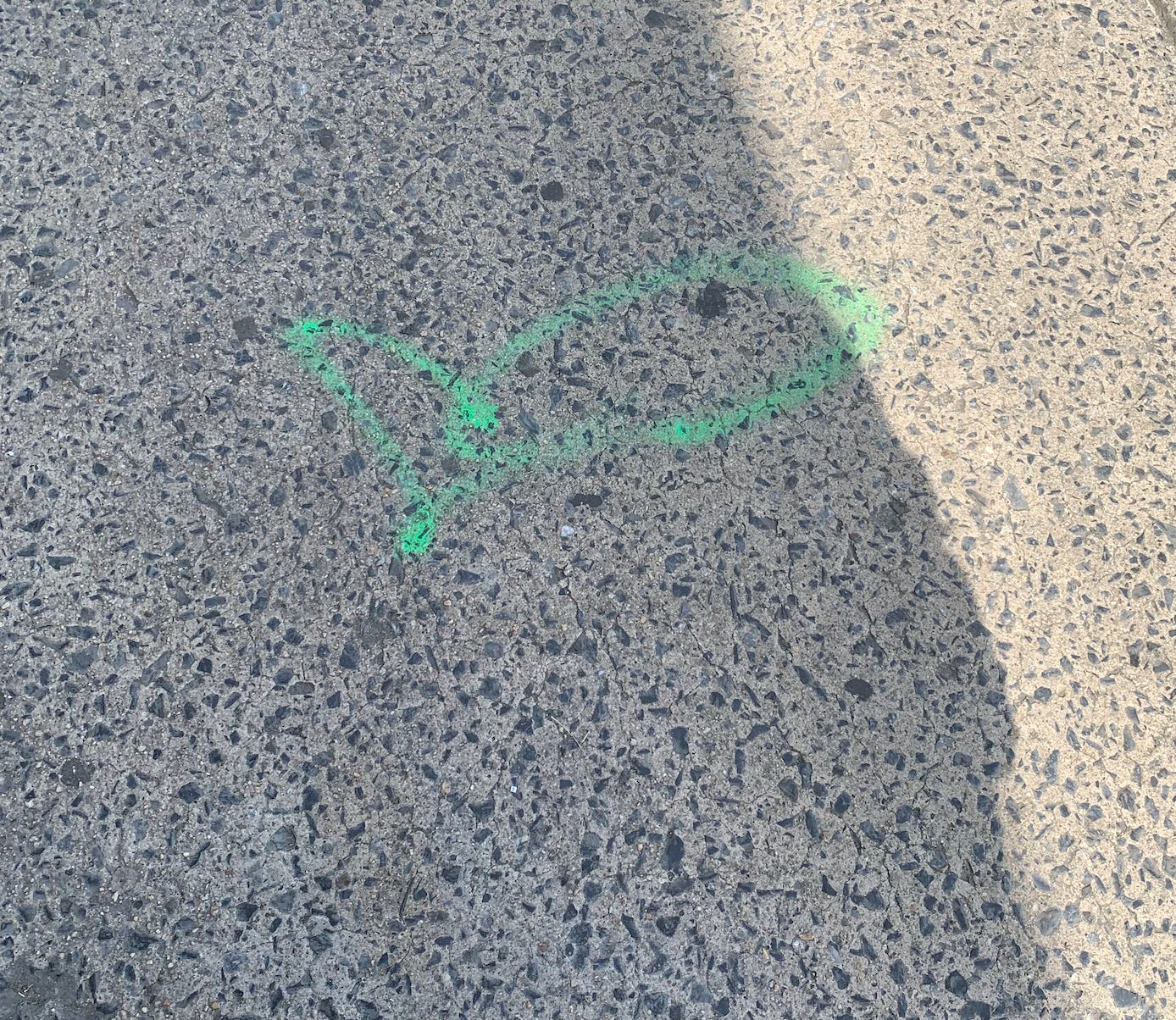
As we walked down the pier to the rink, I saw at my feet a familiar shape. As we moved for the hour we had left of piped in pop songs, weaving in between toddlers clinging to the waist of their parents, proud grandparents on the sidelines pointing at their few minutes of flight, I kept thinking about the fish. I hope he was okay. I hope he could make it another two hours without food.
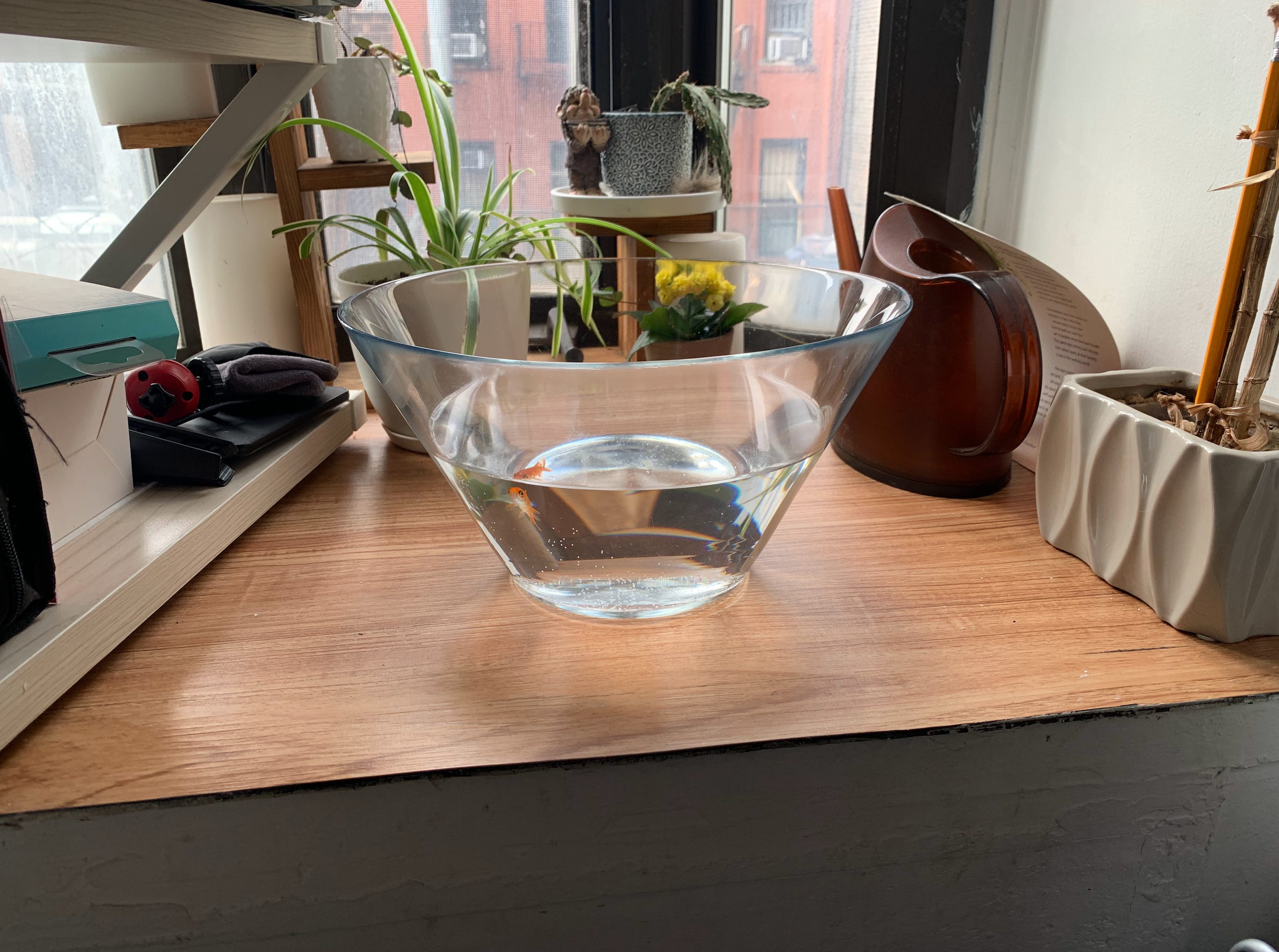
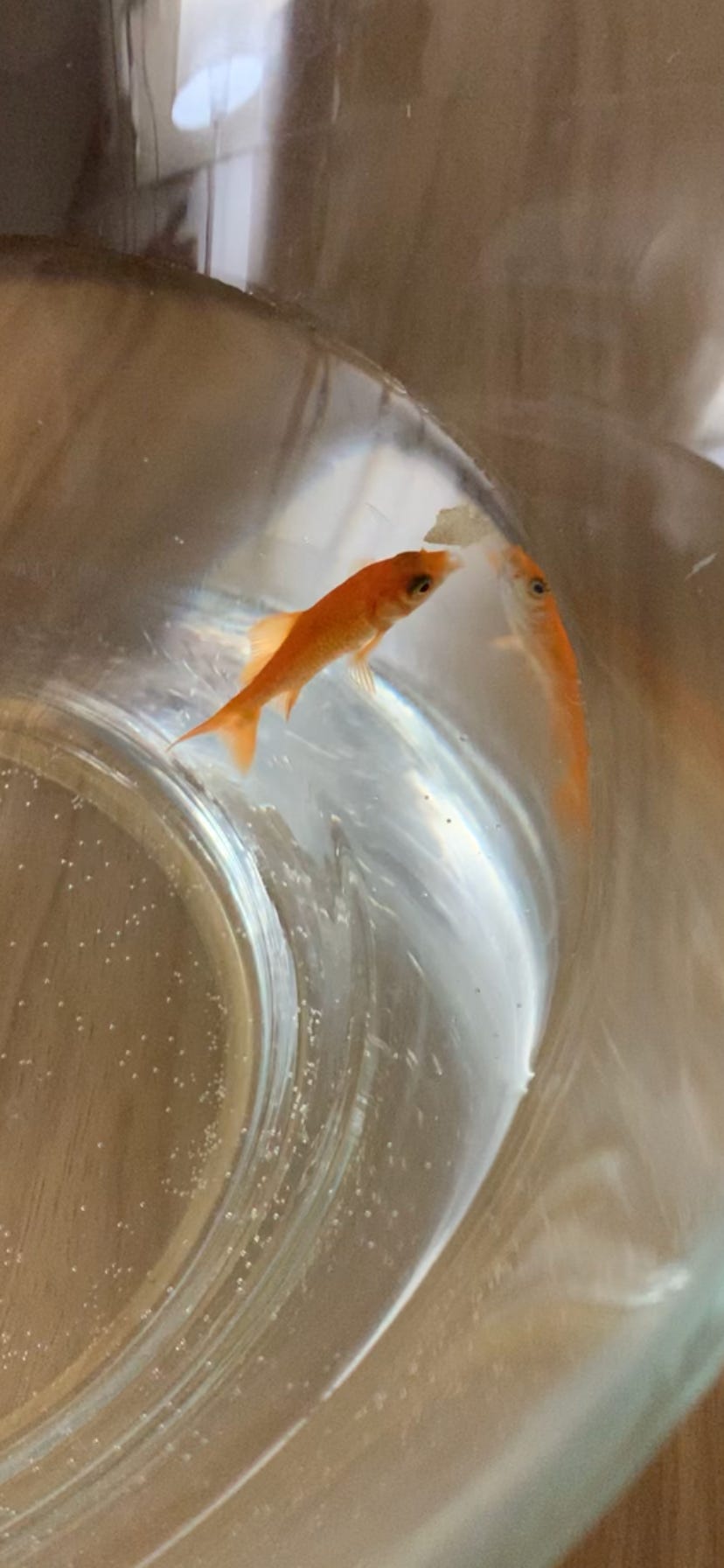
When I got home, I arranged for a friend who cared for fish in the past to take him to her apartment. I fed him flakes of food bought at the pet store around the corner. While we waited for her to arrive, I set him up in his temporary home on my windowsill and watched him zoom across my fruit bowl, now his own rink. I stopped being angry and confused at someone who would throw a thumb-sized being in the trash. I thought of his new life, just a few stops away.
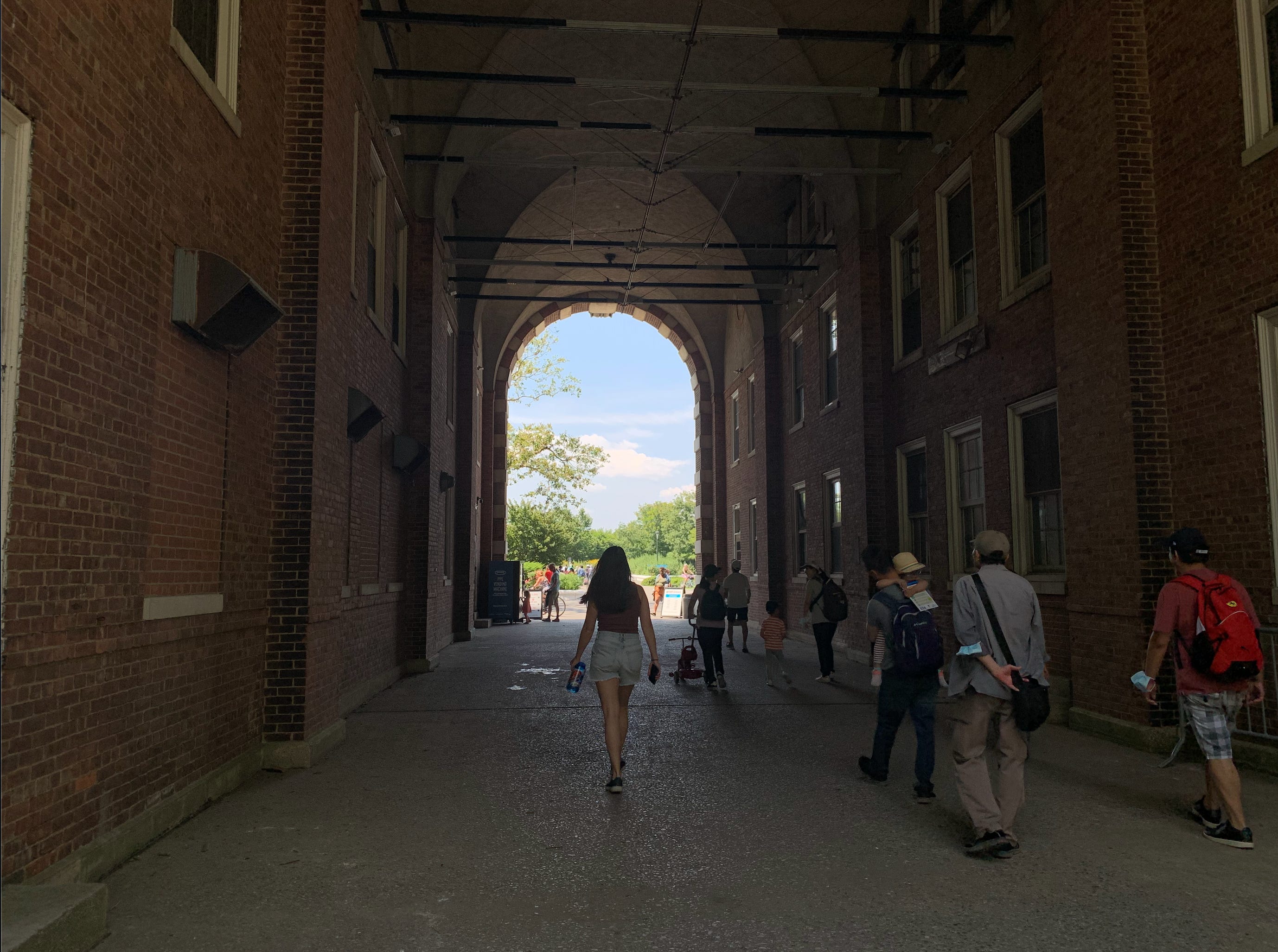
The last time I went to Governor's Island, I'd left my dog behind with a friend who'd offered to watch him for the long day away. I'd recently moved to my new apartment and he was having trouble adjusting to being alone, his separation anxiety from being rescued triggered whenever I left--even just to grab a tea at the shop on the corner. My friend worked on casting his new film from my kitchen table while my dog pawed at his lap. I received photos of their bonding, a reassurance that everything would be okay.
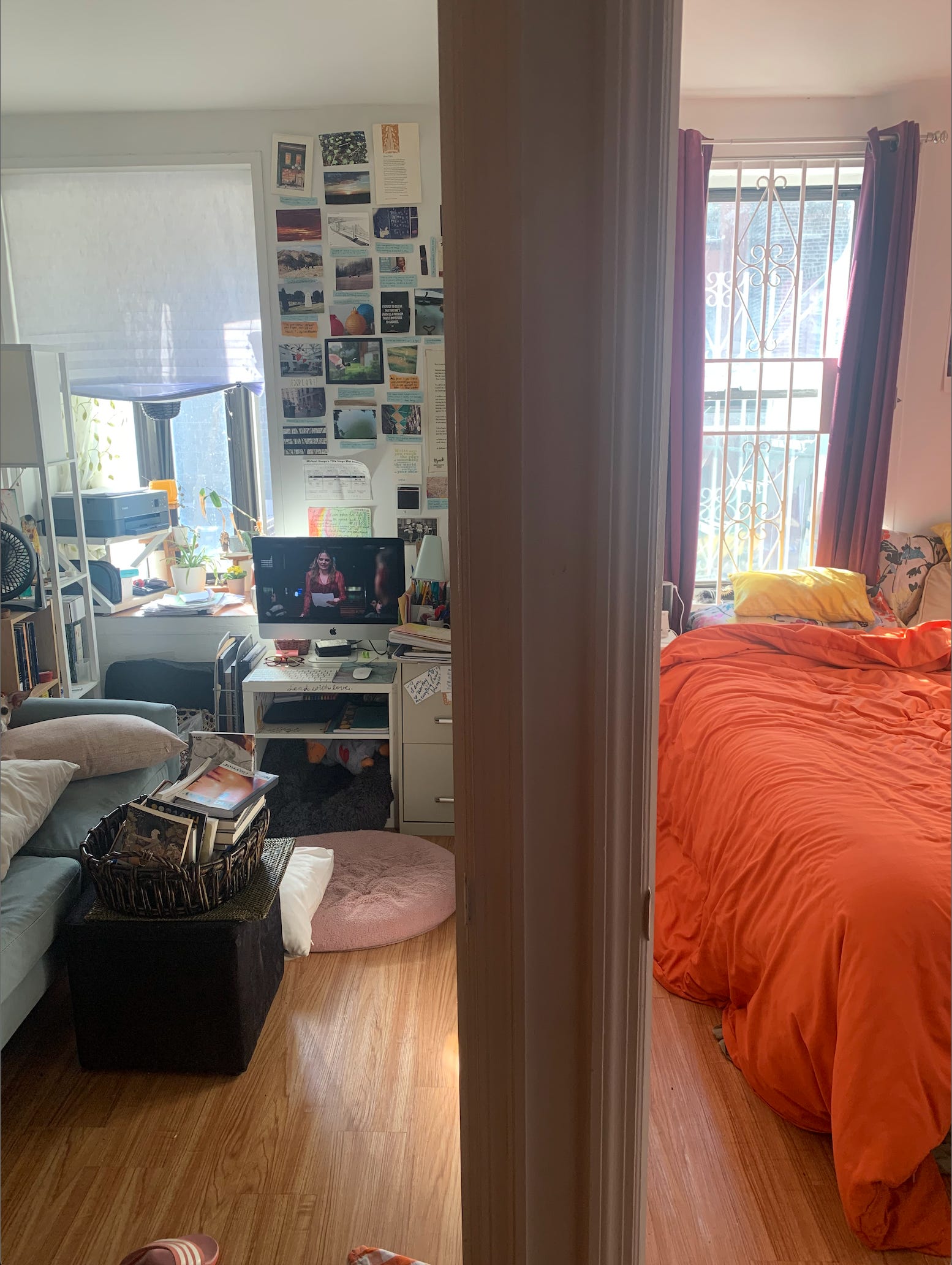
Years later, he now settles perfectly into our small home.
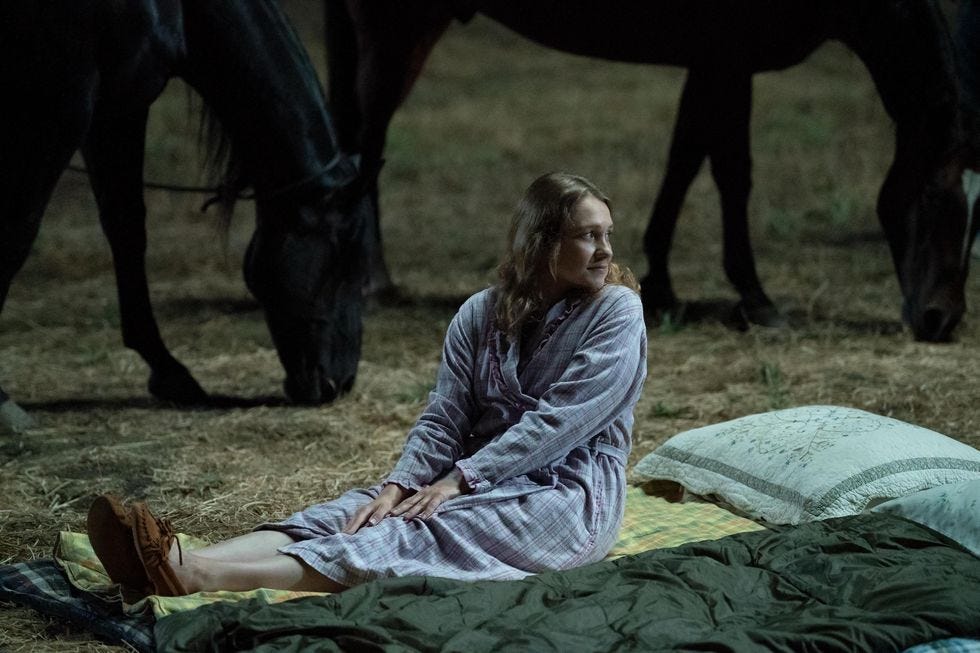
The idea of home has been on my mind these past few months, especially as I watched Tiny Beautiful Things. I thought back to when I first read Strayed's work: I was away at college, living for the summer for free in the dorms while I helped run a high school academic camp. I rarely used my Kindle but on a friend's insistence that I read Wild NOW, I set on the hill below the dorm and spend my afternoon off deep inside the book. She was right; I needed this book. Years before, I'd gone on my own backpacking trip and tested my own resilience and endurance in a way unfamiliar to my body. I needed to know in a deep way that I could get through. That I could make my way. I was with a group of former athletes and military, the youngest one, and had not trained as others' had for the trip--I didn't know how to prepare. I didn't want to prepare. I just needed to go.
Watching the show, I started to read back through Strayed's old columns at The Rumpus. I found the quote that had helped me through my years of building the life I wanted as a writer. I remembered how good they felt to take in, how good they still feel:
The useless days will add up to something. The shitty waitressing jobs. The hours writing in your journal. The long meandering walks. The hours reading poetry and story collections and novels and dead people’s diaries and wondering about sex and God and whether you should shave under your arms or not. These things are your becoming.
I've been training for my first 10k since December. After completing my 200hr yoga training, I felt inspired to learn more about my body, how it moved, what it could now. Having a six week break from work over the holidays, I decided just to go out for a short dog now that I'd finished physical therapy. Then I didn't want to stop. This next weekend, I will run my first race on Governor's Island. And the one following, I will be reading some new poetry and running a writing workshop with Creature Conserve (more below).
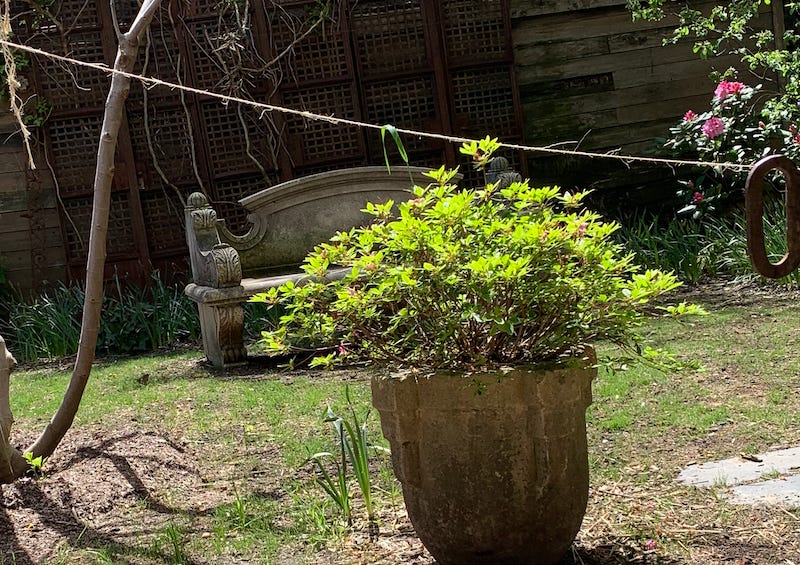
As I took a day off from training this past Sunday to sit in my favorite neighborhood garden, one that is now under threat by city developers despite tens of thousands of signatures and letters pushing against the change, I sat at a table to cool down. I followed an urge to take a photo of the planter in front of me. When I got home, I scrolled back through my phone, and studied the image. I saw deeper into the photo before me: a tiny, single leaf held up by the entirety of a string.
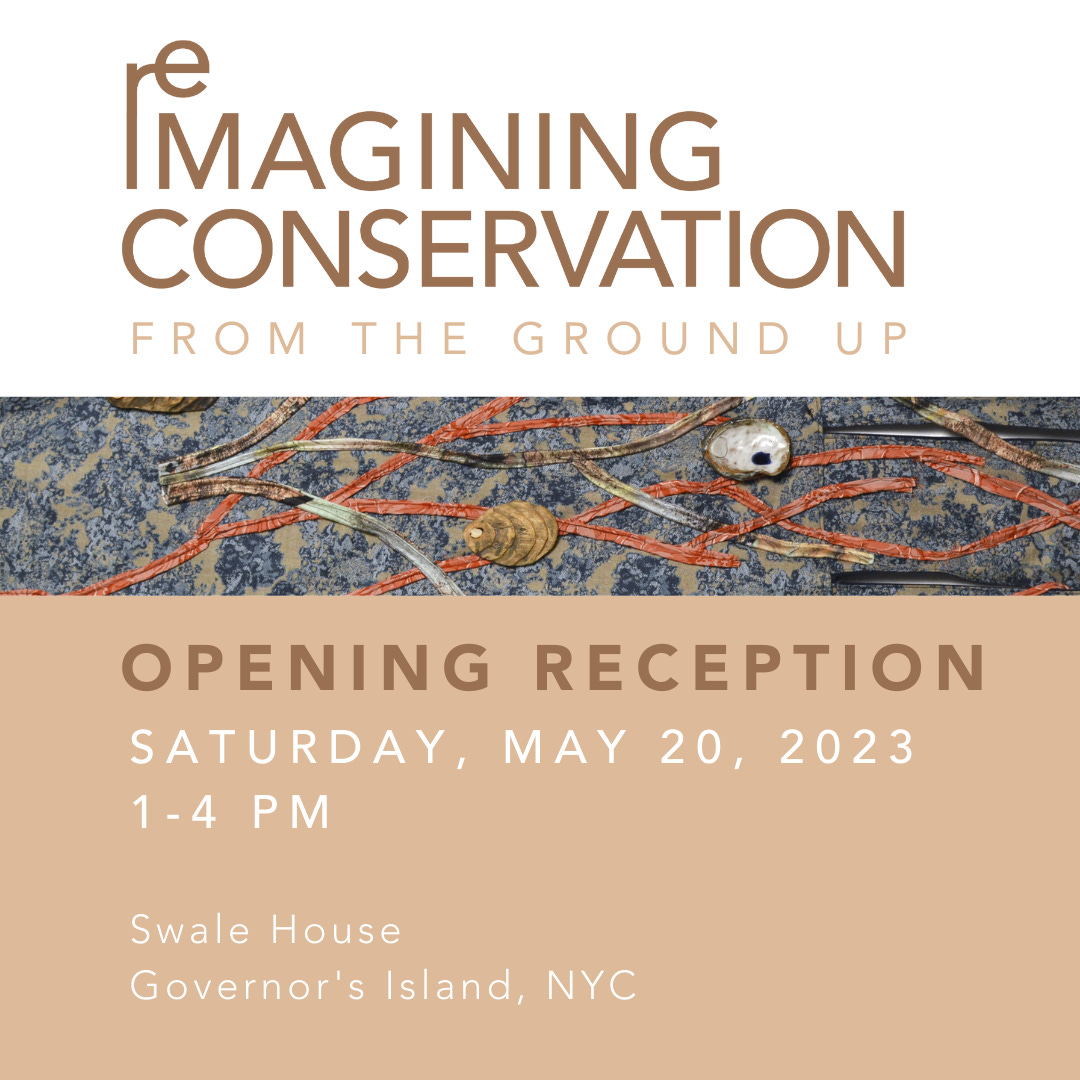
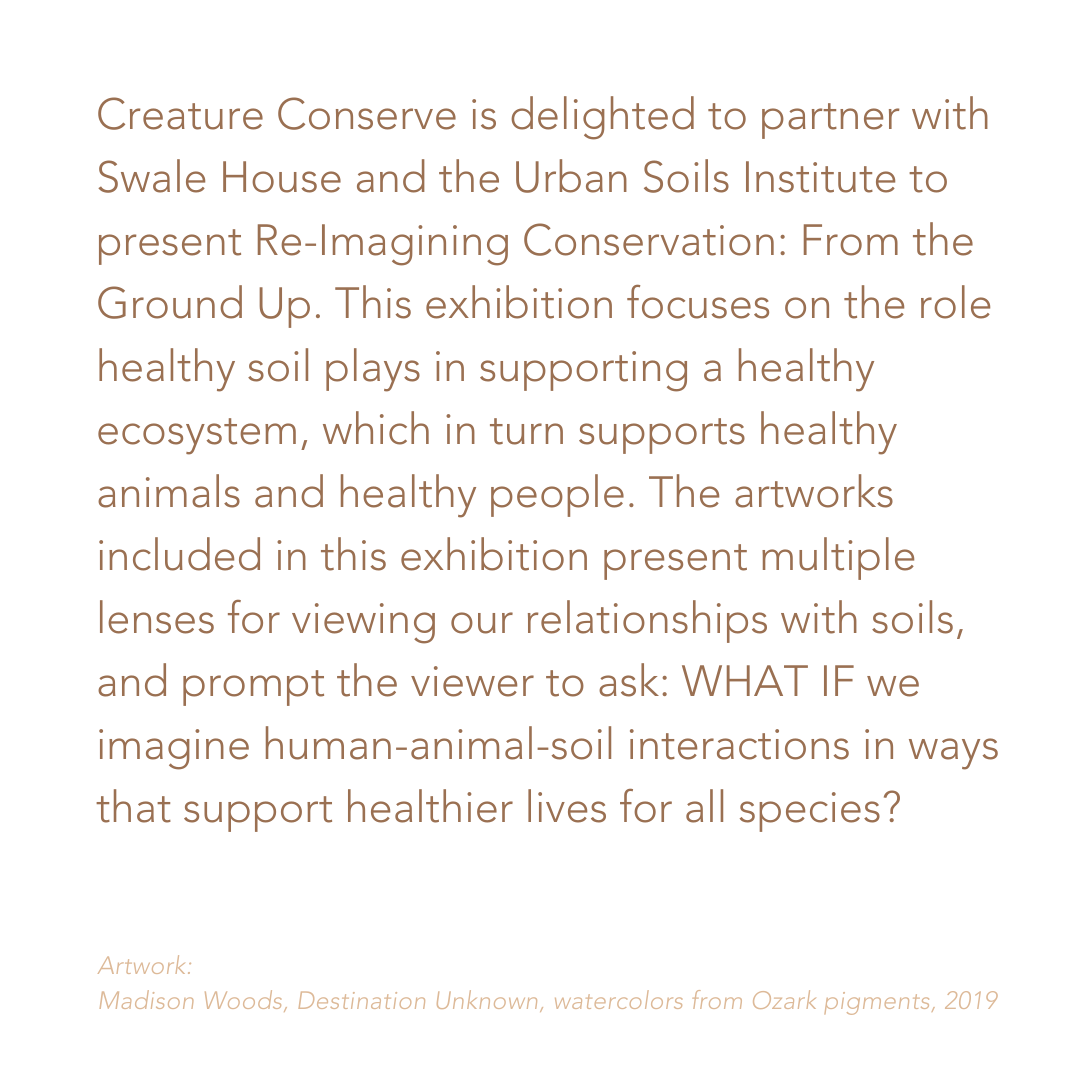
This month's podcast episode is a special collaboration with Creature Conserve and Governor's Island. I sat down with two of the other exhibiting artists--Rachel Frank and Chloe Bulpin--and the exhibit's curator, Heather McMordie. The exhibit, Re-Imagining Conservation, strives to create space for multidisciplinary and varied perspectives about conservation. It encourages visitors to consider new ways to find a healthy balance in our human-animal relationships, including how we live together in shared environments. To ask and answer these questions as fully and deeply as possible, Creature Conserve asks you to visit Re-Imagining Conservation in partnership with the Urban Soils Institute and Governor's Island Swale House.
Creature Conserve brings artists, writers, and scientists together to foster informed and sustained support for animal conservation. We believe the arts informed by science have the power to direct our attention to the ongoing loss of species and what we can do about it.
Along with being Arts Curator at Creature Conserve, Heather McMordie uses printmaking and puzzles as parallel avenues for exploring the complexities of soil systems. Her work is informed by on-site research experiences conducted on her own and in the company of scientists. Colors, forms, and patterns are informed by field observations. Certain aspects of on-site experience and specific soil processes such as bioturbation or leaf litter decomposition are reflected in the format and puzzle-like nature of the works. Sound elements, physical texture, and mobile elements compliment the visual nature of her prints and provide additional, sensory points of entry into the otherwise obscure world beneath our feet. The resulting prints, installations, textiles, and book works incite a reconsideration of the role of soils in our ecosystem and the ways in which we engage with soils. With each piece, she invites the viewer into the act of puzzling through patterns found above and below ground. Pick up puzzle pieces. Turn over new leaves. Stoop down, look closely, and explore.
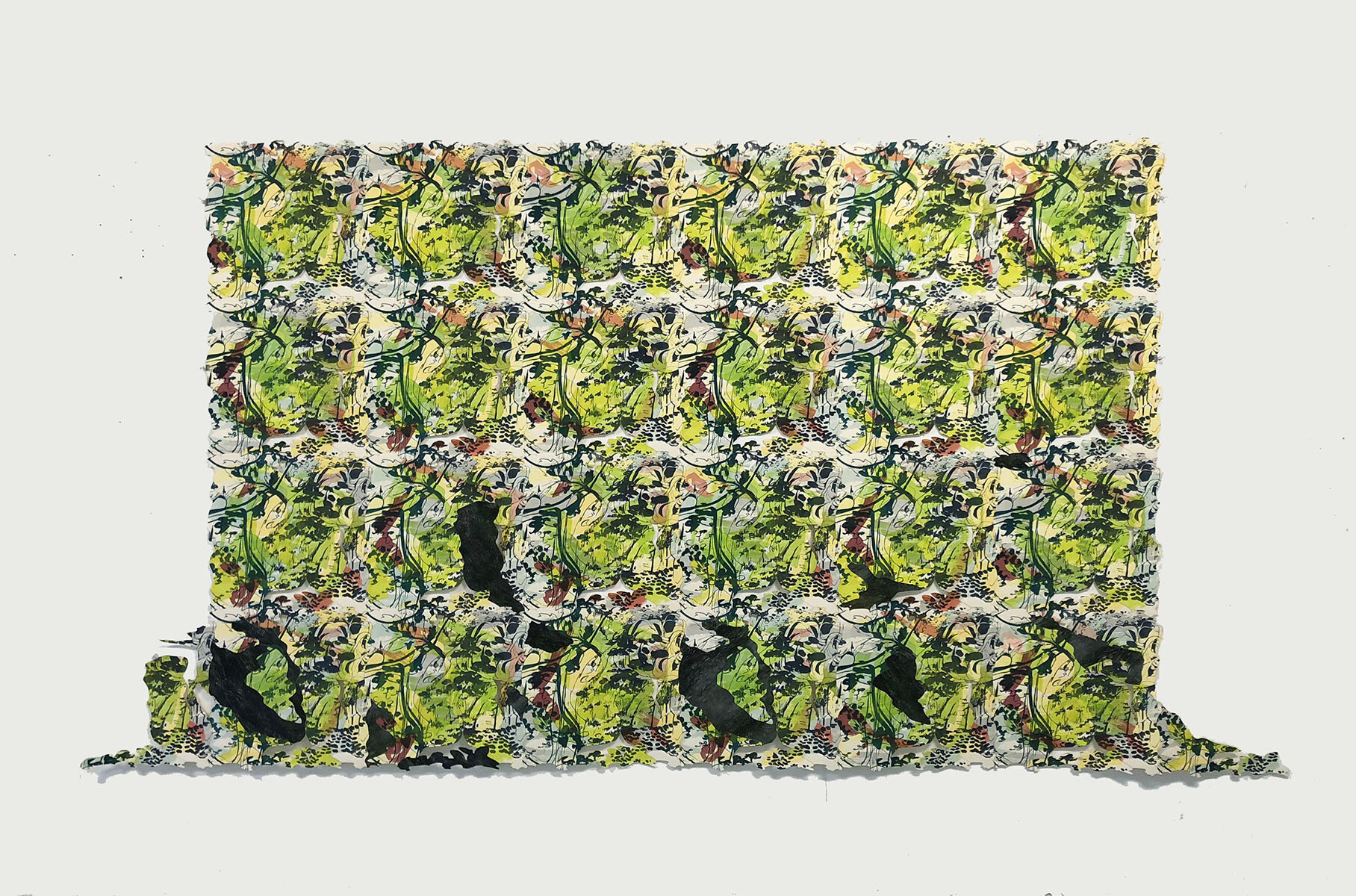
artwork from Heather McMordie
A beekeeper and a designer, Chloe Bulpin is currently a NYC-based Illustrator and Surface Designer with a Bachelor of Fine Arts (B.F.A.) in Illustration from Rhode Island School of Design. Since graduating, she has worked as a freelance illustrator for a variety of clients, an editorial designer at a lifestyle media company, and an in-house designer at an international design studio. Outside of work, she has continued my pursuit of learning about sustainability in design with projects like the Bug Banquet, Creature Conserve and volunteering with the World Wildlife Fund. She currently works as designer for Kate Spade.
Rachel Frank is a wildlife care manager at The Wild Bird Fund and artist. She grew up near Big Bone Lick, Kentucky, the birthplace of American paleontology, where large mammoth and other megafauna fossils were found, altering Western views on extinction and evolution. Her work uses sculpture, video, and performance to explore our relationships and shifting perspectives towards natural history, climate change, and non-human species. Frank received her BFA from The Kansas City Art Institute and her MFA from The University of Pennsylvania. She is the recipient of grants from The Pollock-Krasner Foundation, The Elizabeth Greenshields Foundation, The Puffin Foundation, and The Franklin Furnace Archive. She has attended residencies at Yaddo, The Marie Walsh Sharpe Foundation, The Museum of Arts and Design, Sculpture Space, The Skowhegan School of Painting and Sculpture, Franconia Sculpture Park, and the MOCA Tucson. Currently, she has public artworks on view at Franconia Sculpture Park (Shafer, MN) and Socrates Sculpture Park (NYC).
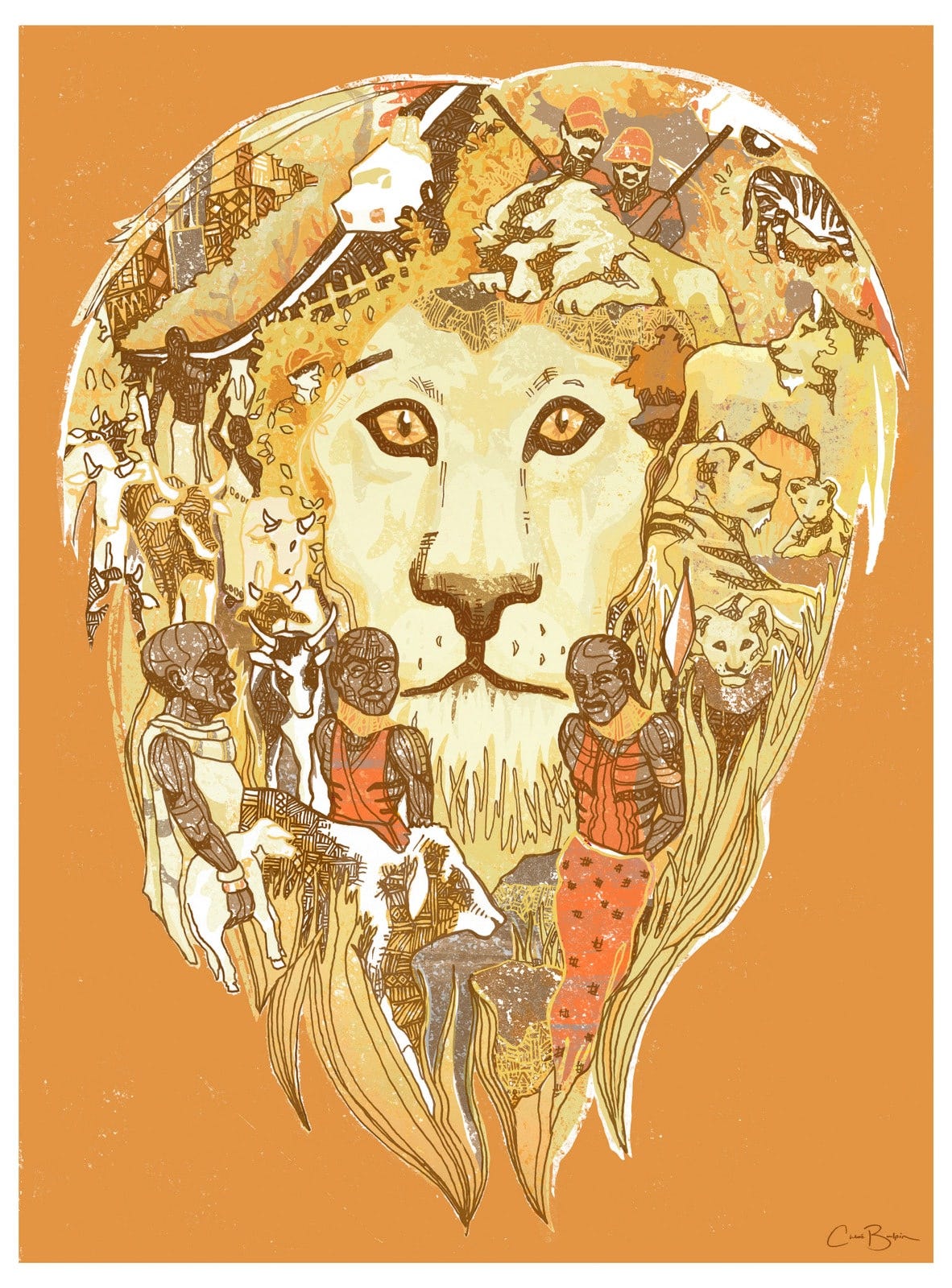
artwork from Rachel Frank (left) and Rachel Bulpin (right)
In our conversation, we discuss our personal mythologies with animals, art as conservation, and what it means to rewild New York City! Hope you love this episode as much as I do.
Listen to the full episode of "Rewilding New York City with Creature Conserve" here!
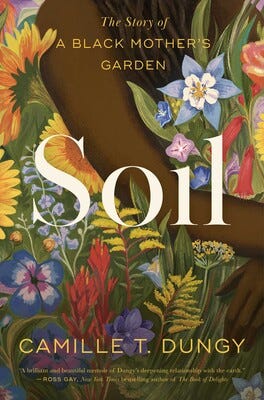
READING LIST: OUR SOIL
I also have a new poem coming out with the Brooklyn-based magazine, No, Dear (Issue 29: Chronic), which you can order here. This a limited edition issue, so get those orders in quick!