
california lizards & how we touch the earth with Frank Terry + new poems!

ESSAY ELEVEN: "AWAY FROM ME"
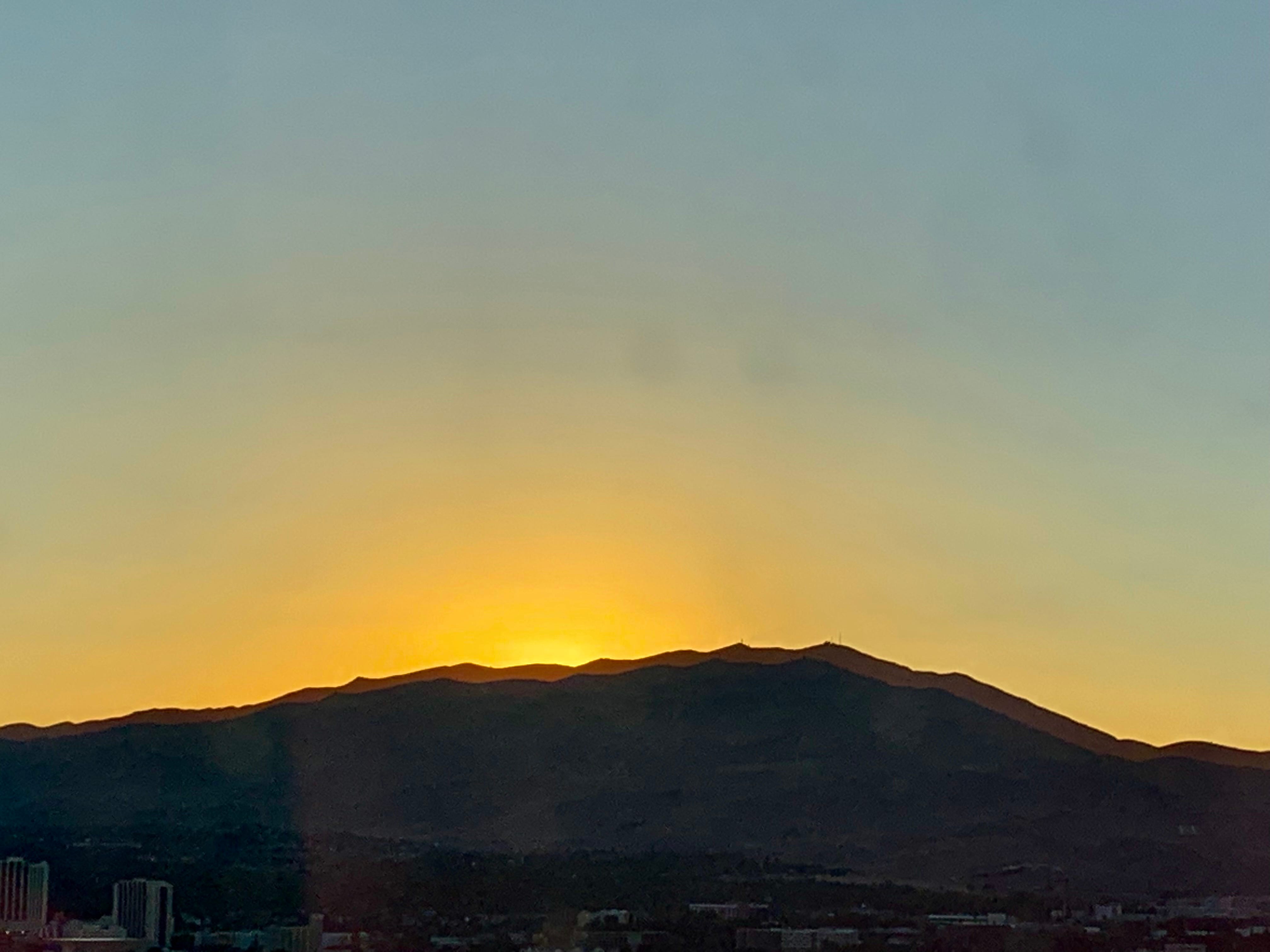
At the top of me, I see. Only light. Blue, green. The sun blooms. The sun dips.
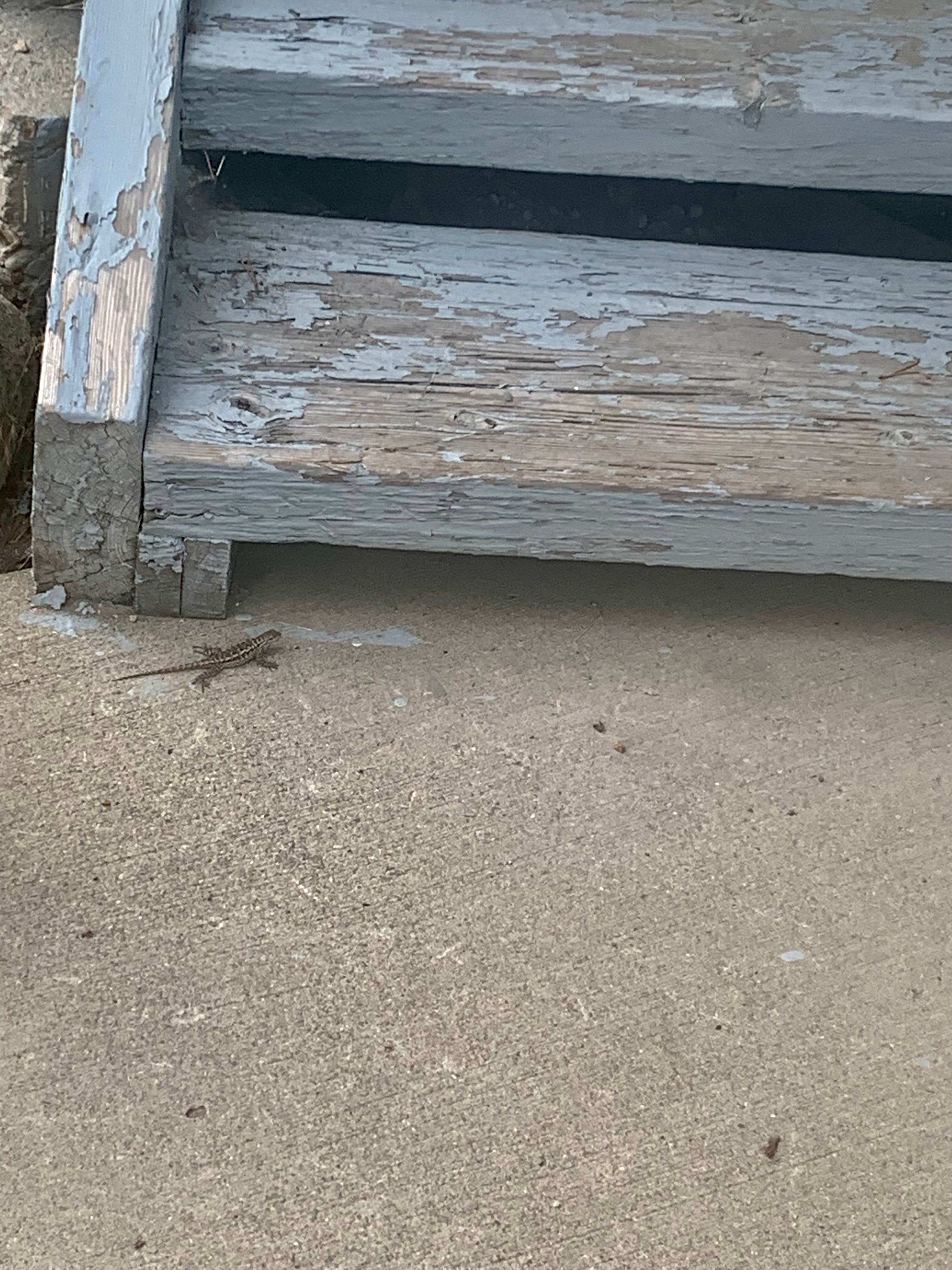
Blue, green. I see. I know who is coming. I know when they leave.
If they come for me, I shed my tail. I leave behind parts of me. I will grow again. You'll see.
AFTERTHOUGHTS
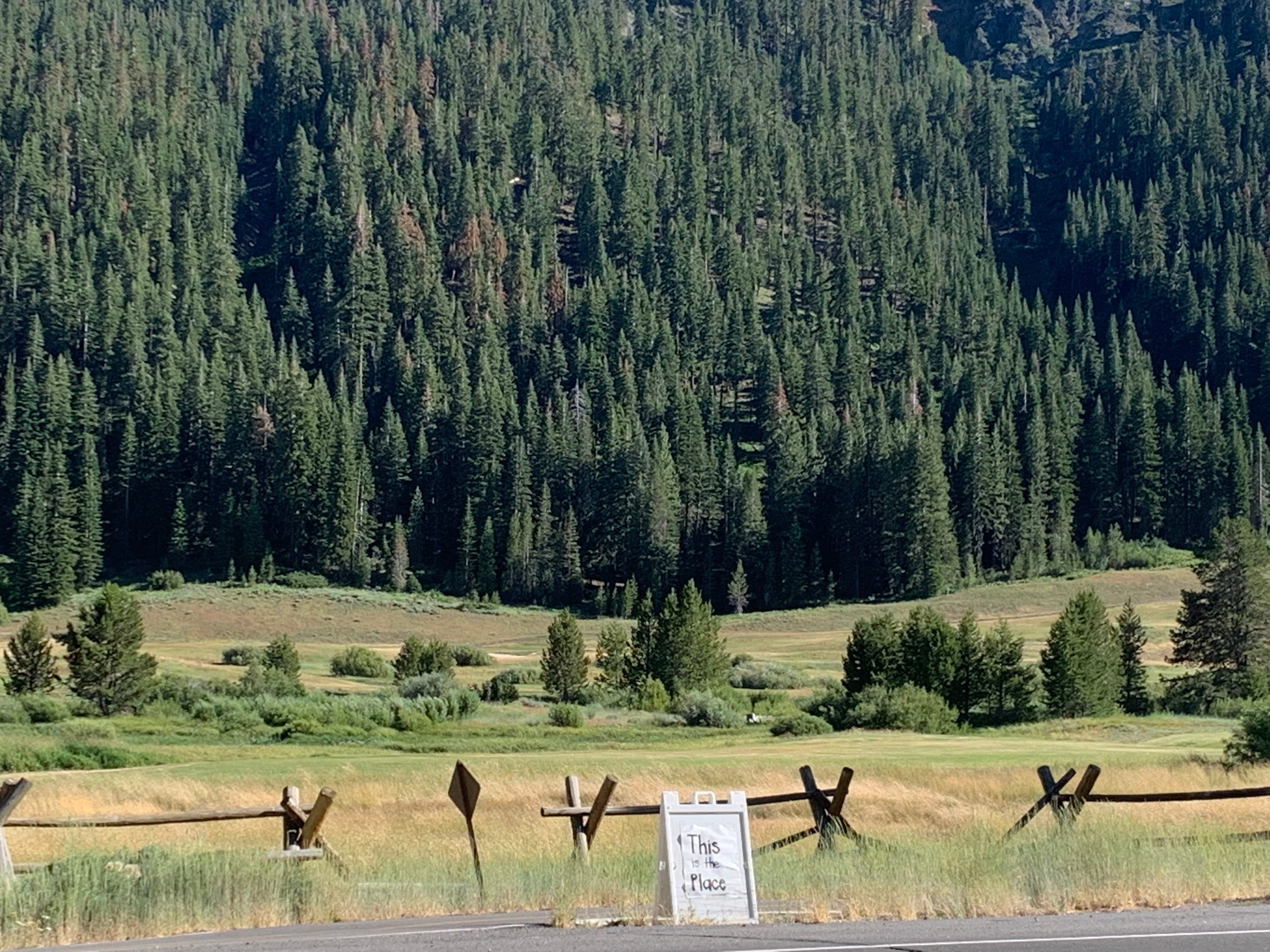
cue the Talking Heads in 1983
I'm back! And full of a sense that there's something nice about embracing the naive, in particular when it comes to crafting this letter. I guess I must be having fun :).
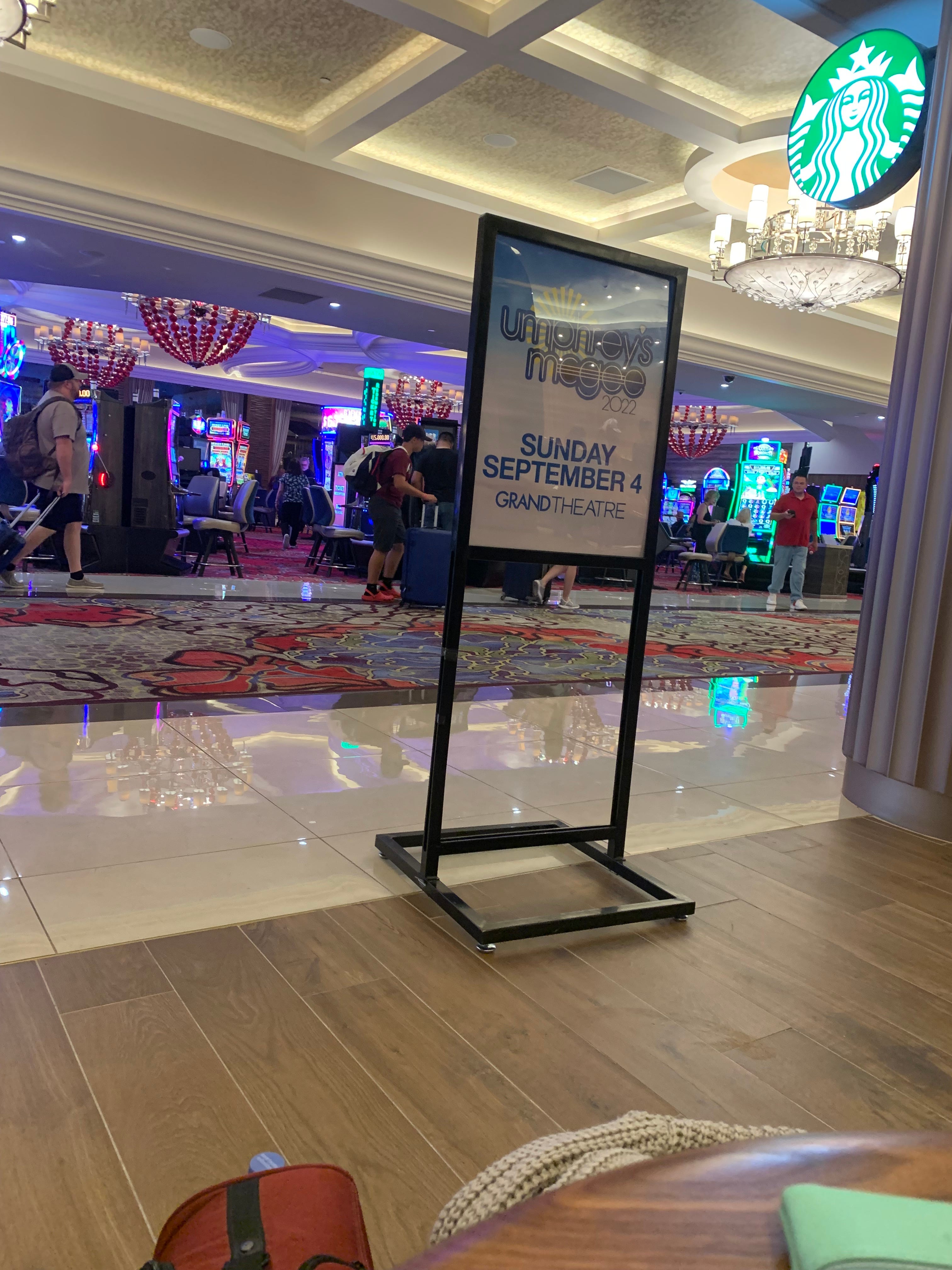
In Reno, I was sitting at a Starbucks table with an oat milk London Fog across from rows of slot machines, doing one of my favorite things: writing and listening to others talk. I looked over at the couple next to me as I worked on a draft, trying my best to offer my table neighbors their conversational privacy, but the urge to drop in got too strong. They began an irresisitable conversation.
"You're telling me you've never felt loneliness?" The question alone had me. What would he say back? To his love? Without disclosing each word of their exchange, I knew I'd been situated at this specific table, across from these specific slot machines. Like a lizard whose third eye senses particles of light, I was alert to the decisive moment. I left my draft behind and began transcription as the couple began to debate animals.
The woman began with a familiar hypothetical situation: if they had a dog who got hit by a car and expensive surgery was required, and after they'd live with an altered leg, would they put the dog to sleep and replace the dog instead, given the economics of it?
"I'm not spending more money on a pet thanI could invest in a child," she shared before her partner could answer. They continued on together, affirming their belief that the only reason anyone adopts a pet or invests money into them is because of loneliness. They saw animals as subsistute for real connection, real love.
Her partner doesn't fully give into this idea, and slowly the underbelly shows itself: a former boyfriend ended things with her because she didn't love his dog as much as he did.
"I would've raised his kids," she yelled, and now I understood her suspicion of pets superseding human love. It made sense, but I was kind of on her ex's side.
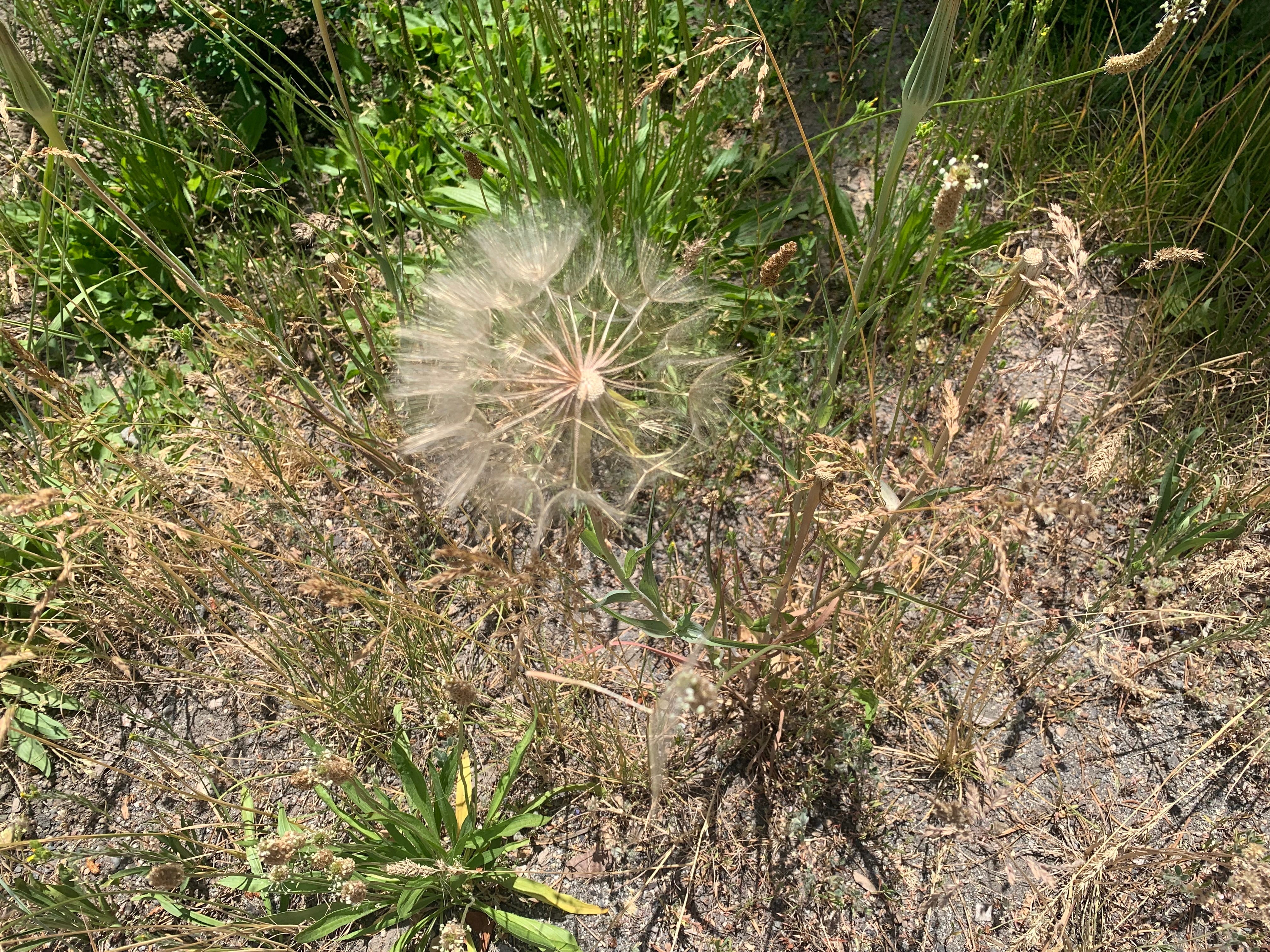
And maybe I felt a bit defensive. If anything, having a dog had buffered me from making bad relationship decisions. Not only because I do feel less lonely with him around, but because I can't decide to stay out on a whim, or go until hours of the night. Committing to a pet changed the structure of my life in wonderful ways. I honored the habits and slowness that was actually much better for me. And, sure, I see how potential partners are with him. I do judge their capacity for love, for their care with a small, gentle life through their interactions with him.
The couple continues. I learn his perceptions on what men do to get women's attention, how as he got older he changed his compliments from body to clothing. I'm bad. I should've stopped listening. But maybe they're right: I'm hungry for connection. Here I am on my second day in Reno, waiting for a shuttle a few hours away to go to Lake Tahoe where I'll live for a week with other writers, restore myself, fill myself with words. For now, all I have this Starbucks. Can they tell I'm transcribing them?
But I love nothing more than how people talk. I sometimes find myself in a group that's erupted into conversation falling silent, not of shyness but delighted by the cadence of an exchange around me--until someone snaps me back, calls my name, returns me to my part of the dialogue. I remember my family telling me how when I was a baby I use to clap and bounce whenever others began to talk around me, before I could speak, and how sometimes I'd babble just to contribute to the sound. I'm sure lots of babies do this, and it must be something about how language moves, how ideas invite a return of another, the exquisite collaboration that is a conversation.
I turn my attention back to the page. Be good to your neighbor, let them go on in public without becoming fodder for your art. But I allow myself one final recording, his voice loud and buoyant: "All these things are true!"
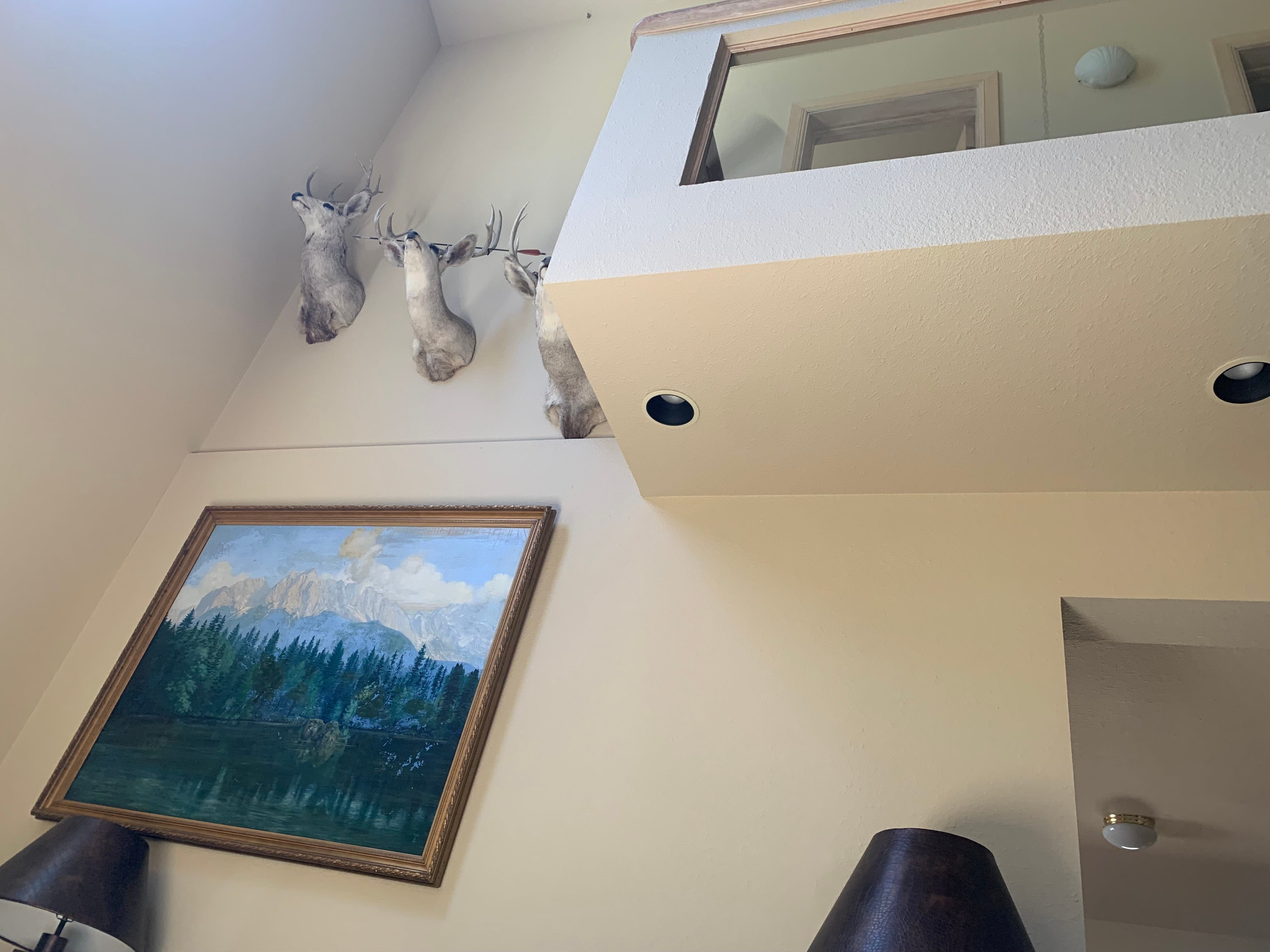
When I make it to California, I'm the only one in my house though the remnants of my housemates belongings fill the rooms around me. I sit under the decapitated deer and wonder about the West and the Gold Rush imagination.
I think about the deer, the strange urge the owner of the house had to lay an arrow between their antlers, and wonder if maybe they'll be my subject for a letter upon my return. But I think of the tiny lizards that greeted me upon my entry, and the rotating cast of the creatures (likely Western Fence and Sagebrush lizards) who would skitter under the steps whenever we returned from our hours of workshop.
I learn that the third eye perceived on lizards is a simplified photoreceptor that in essence either tells them to stay or go. Almost better described as an impulse machine, an intuition. Their sensing through this eye rather than their other two is most prominent at the start of the day and the close. I learn that while the visibility of a human third eye may not be physically apparent, the pink part of the corner of the human eye is actually the remnant of our third eye lid. Like our embryo tails, this part of our body slowly melts away. It makes me feel more at home with the birth mark on my right eyelid. Perhaps instead of extraneous, I can see it as extrasensory.
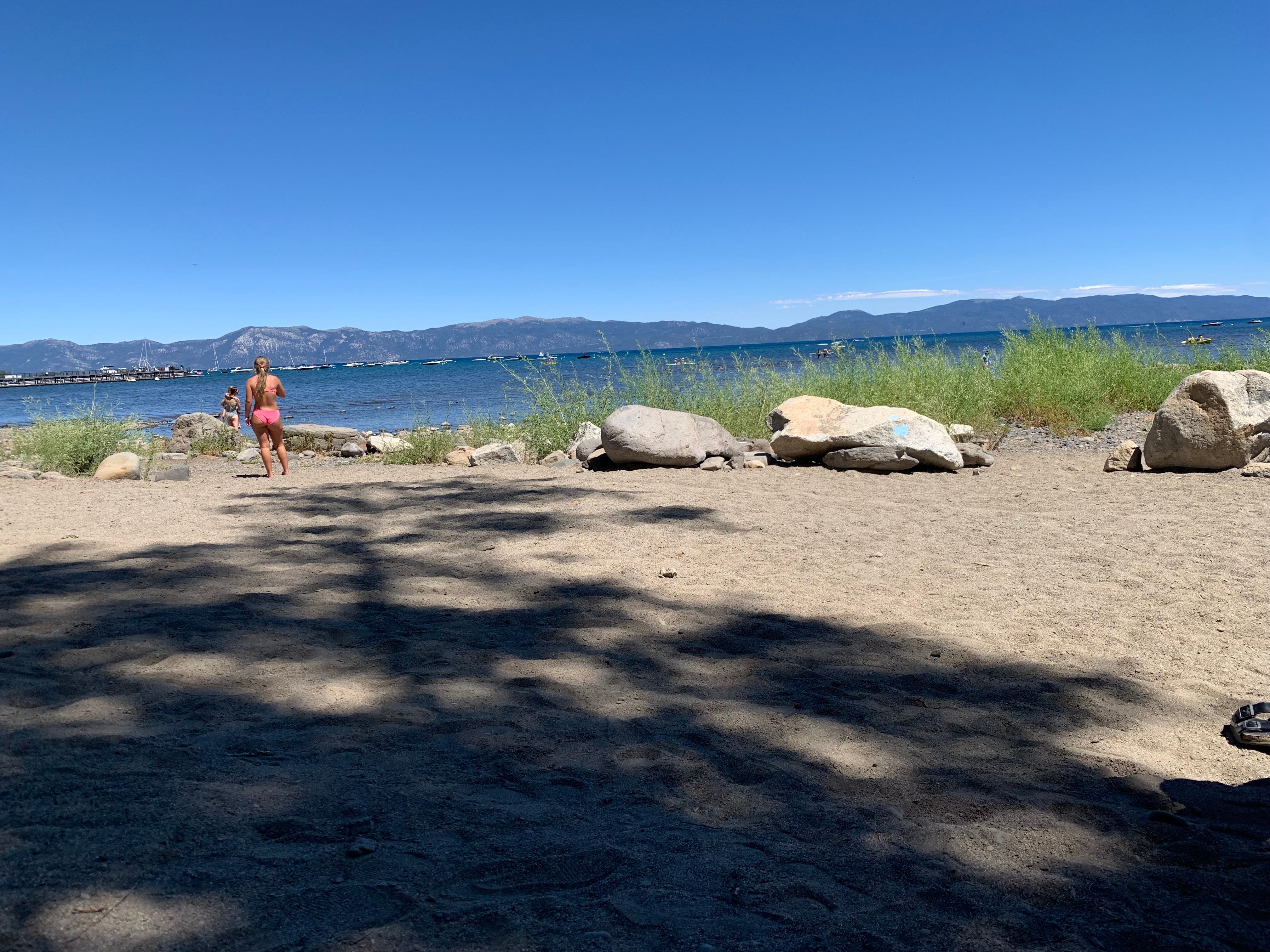
The Sierra Nevada is approximately 80 miles wide in the Lake Tahoe area where we stayed in Olympic Valley. The mountains are home to many sequoias. During my time in the valley I saw the pine cones as large as my face.
My whole body felt as though it dried out as I walked around the valley, the air thinner and a reminder to make my steps more conscious. I felt my whole system reset. On our day off, I walked through the turquoise of Lake Tahoe, the seeming miles of rounded rock under my feet for each step eventually stopped being painful and began to feel like relief as the cool water slowly made its way up to my knees.
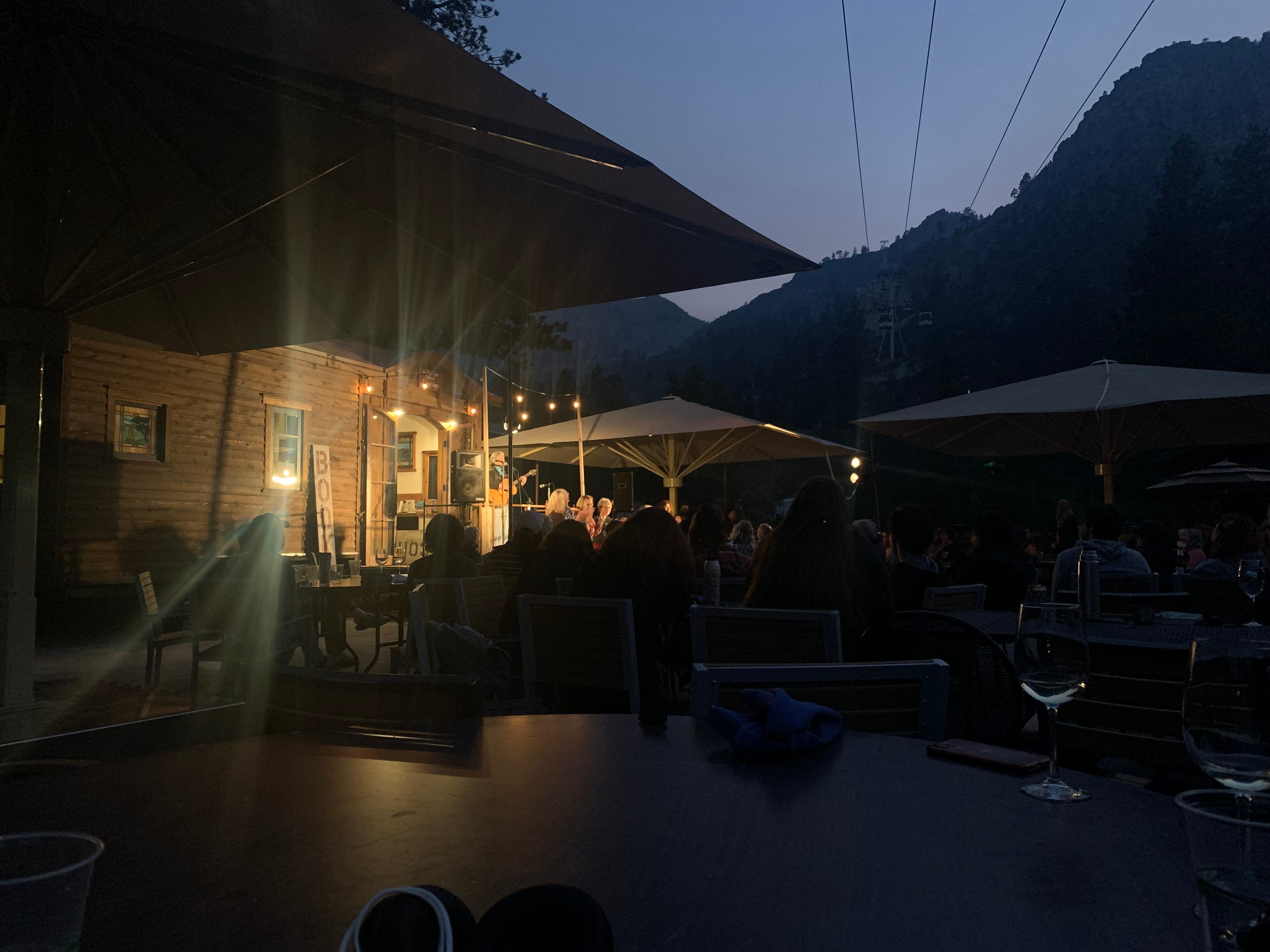
But on our last few days in the valley, 14,000 trees in Yosemite burned. The smoke, a hundred miles away, filled the valley and we stayed inside as much as possible, what smelled at first a sweet campfire smoke became a symbol of grief. I was reminded just how precarious this land is. How overnight, centuries of growth can disintegrate.
The San Joaquin Valley, known as the heart of California's agricultural industry, the home of the Tejon Indian Tribe and the Picayune Racheria of Chuckchansi Indians of California. The land is bordered by the mountains on the eastern edge of California and by the Pacific Coast Range on the west. It is a large, elaborate ecosystem, lush and historically supportive of diverse vegetation, but it is under threat due to the climate crisis and industrialization. Around this time last year, NASA documented that one of the farming towns in the region, Corcoran, is sinking due to water extraction for farming, leading the land to essentially crumble into itself.
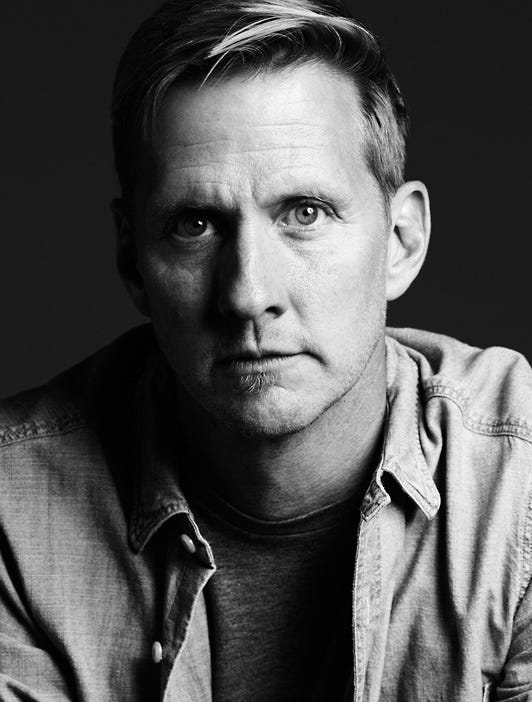
This week I speak with someone who knows this land much better than me, a photographer who spends his time, as he puts it, "investigating the growing areas of the southern San Joaquin valley, and the human influence upon the landscape."
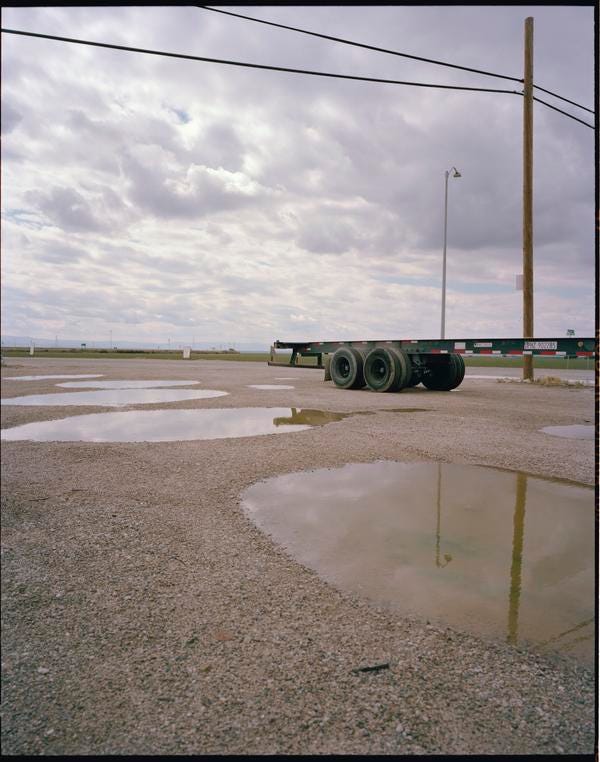
photograph from Frank Terry's collection
Raised between the United States and the Netherlands, Frank is a California native with strong European cultural roots. His American father taught him the value of a strong work ethic as well as nurturing his creative intelligence. From his mother he absorbed a classically Dutch love for the beautiful, simple things – a sensibility often reflected in his images.
Enjoyment of photography came early to him. At 12 he picked up his first camera, and by 17 had parlayed his photographs into a local skate magazine (the Rag), documenting his peers in the skate scene. Seeking a more formal education in photography, Frank then attended Brooks Institute in Santa Barbara.
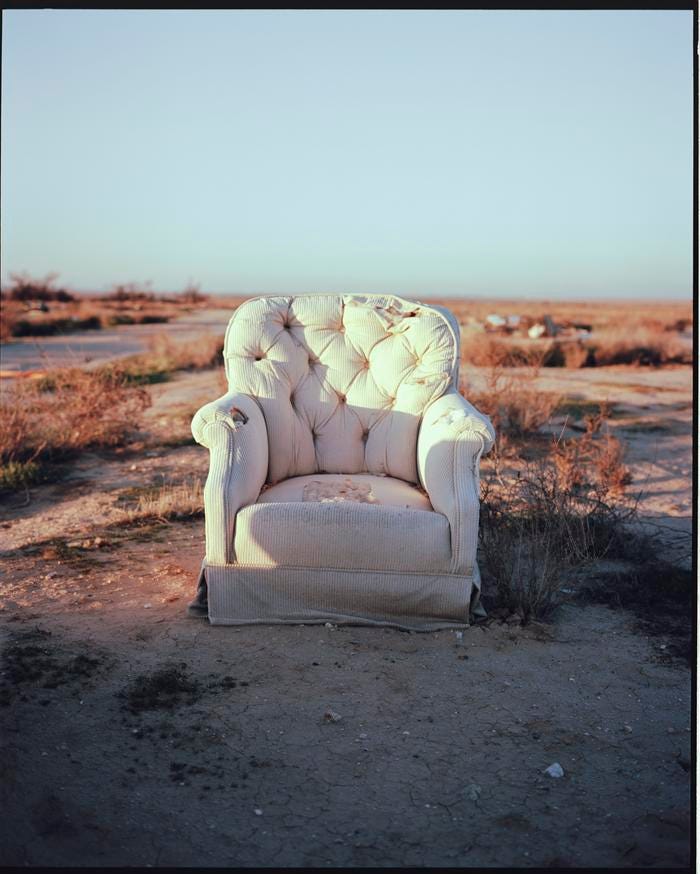
photograph from Frank Terry's collection
Upon completion of his degree, Frank began working in Los Angeles, first for renowned photographer Matthew Rolston, and then as a sought-after freelance assistant for an impressive list of industry leaders, ranging from Helmut Newton to Hedi Slimane (and seemingly everyone in between).
Hungry to use the knowledge he had gained, Frank struck out on his own, forging long-lasting relationships with clients such as Fossil, Living Proof Inc, and Calvin Klein. His current work includes a bit of everything - Brand Campaigns (Living Proof), BTS (Calvin Klein, Miu-Miu), Social Media (Coach, Tods), and even some still life (YSL Beaute, Hugo Boss).
Looking to keep working at the heart of what drives him, Frank has recently begun a long-term documentary project focusing on small ranching towns in the West. The first installment, “Alamo, Nevada”, was hung in a group show in Los Angeles in May 2019.
Frank currently resides in Los Angeles, CA, with his wife, two children, and a 19 year old cat named Lucy. He is represented by Victoria Brynner at Stardust Brands.
Along with discussing his project, how we touch the earth, Frank shared some of his creative lessons with me.
"In the end, the meaning sort of finds itself, in a way, after a photograph is made, because once you pass up on a moment--the random collision of events of sky and cloud and land---it never comes back...if you see something, you've got to do it right then," he shares. "Just believe in yourself. Ask less questions"
Listen to the full episode of "How we touch the earth with Frank Terry" here!
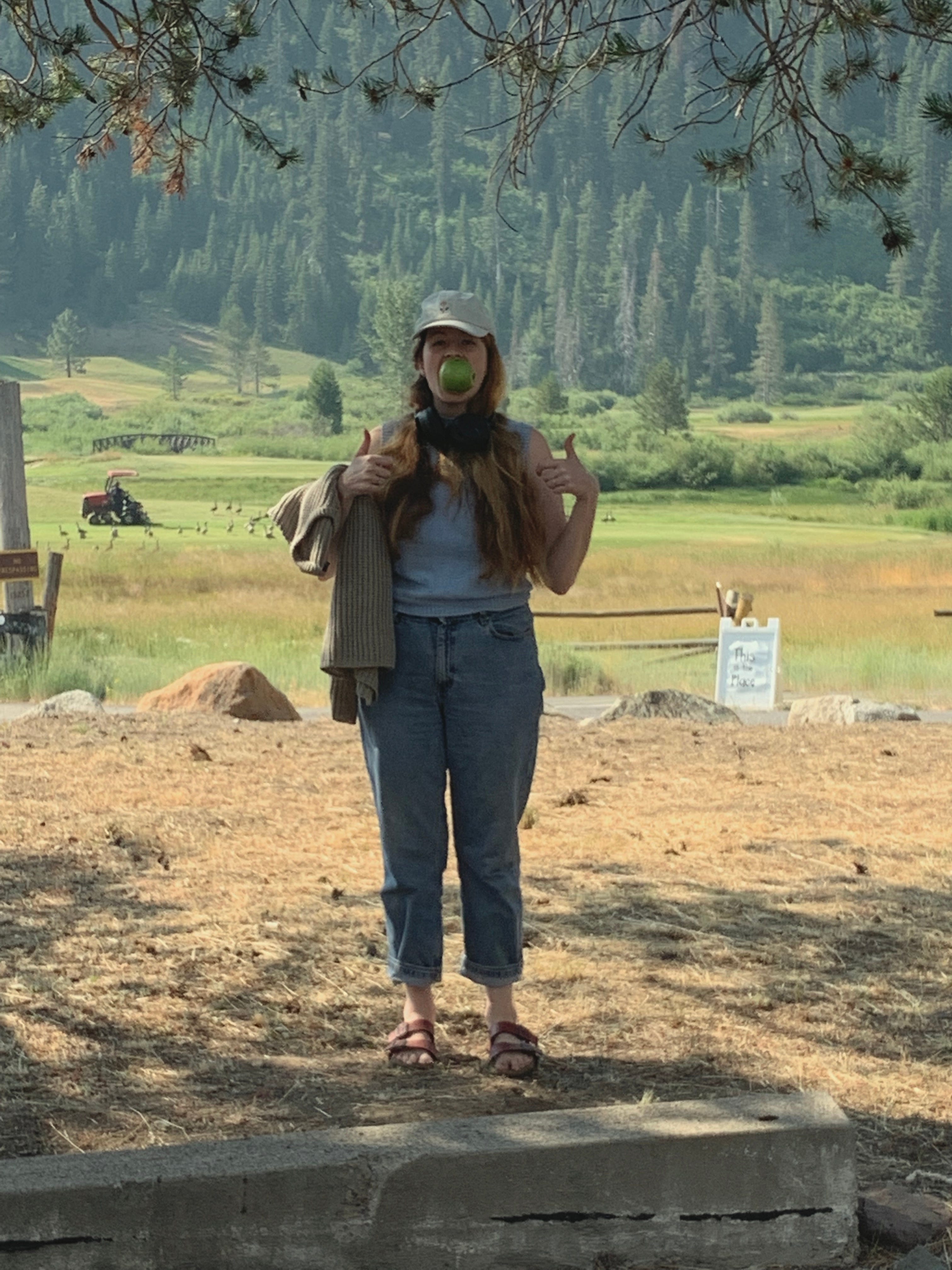
READING LIST: THIRD EYE
Want to know more about extrasensory perceptions? Here are a few books on intuition and third eye perception: Aldos Huxley's The Divine Within or Laura Lynne Jackson's Signs: The Secret Language of the Universe. For some poetry that re-contextualizes language, try Jamaal May's Hum or Gertrude Stein's Tender Buttons.
Also for the science fiction fans out there, try Michaiah Johnson's The Space Between Worlds. The author shared in an interview that the "otherworldliness" of the book was inspired her childhood in California's Mojave Desert.
I also had three new poems come out with the Los Angeles Review of Books while I was away. Would love to share them with you here.